
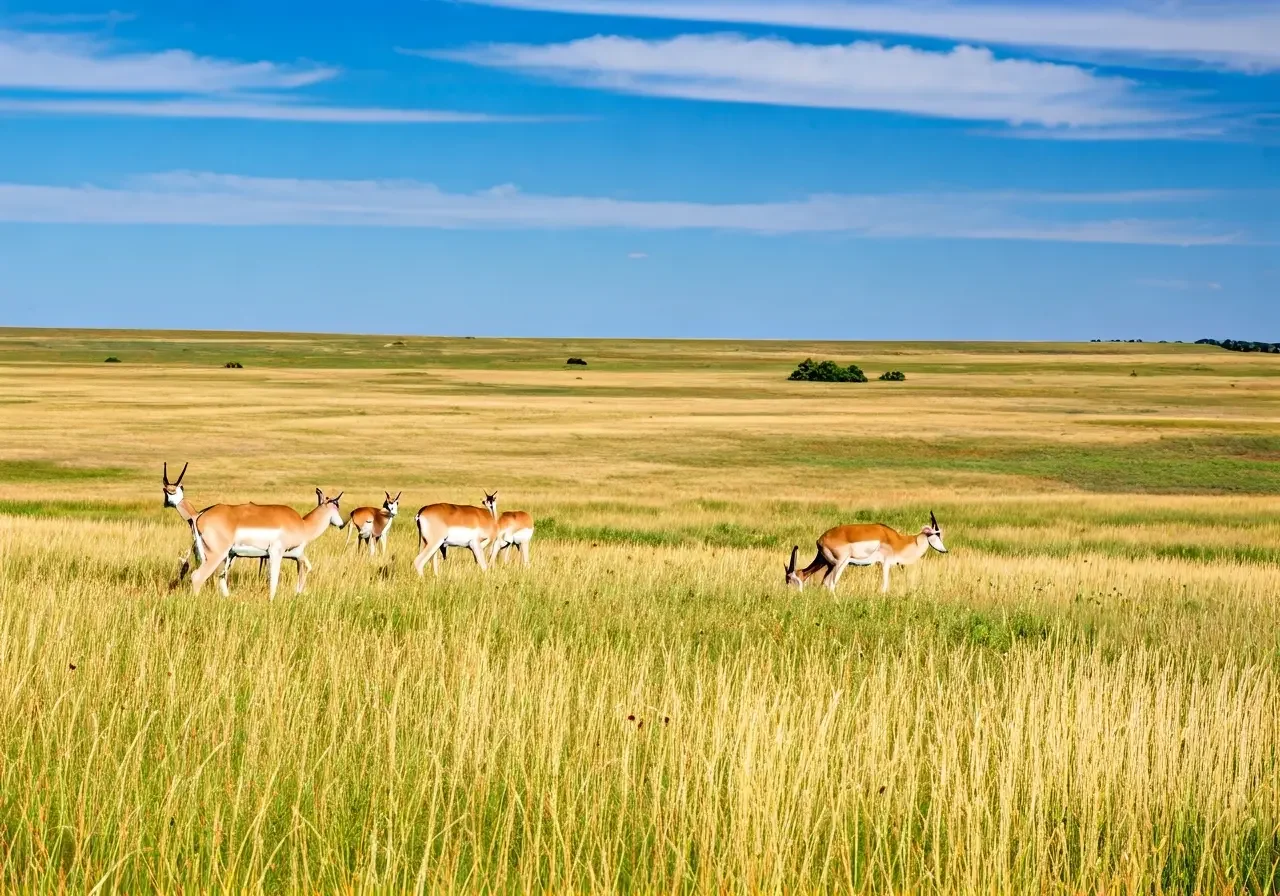
7 Reasons Colorado's Unit 82 Is Perfect for Antelope Hunters
Welcome to Colorado's Unit 82, a prime spot for antelope hunting that promises a memorable experience for every hunting enthusiast. Nestled in the heart of the state, this unit offers a unique mix of features that make it particularly attractive for antelope hunters. Let’s explore what makes Unit 82 such a perfect choice.
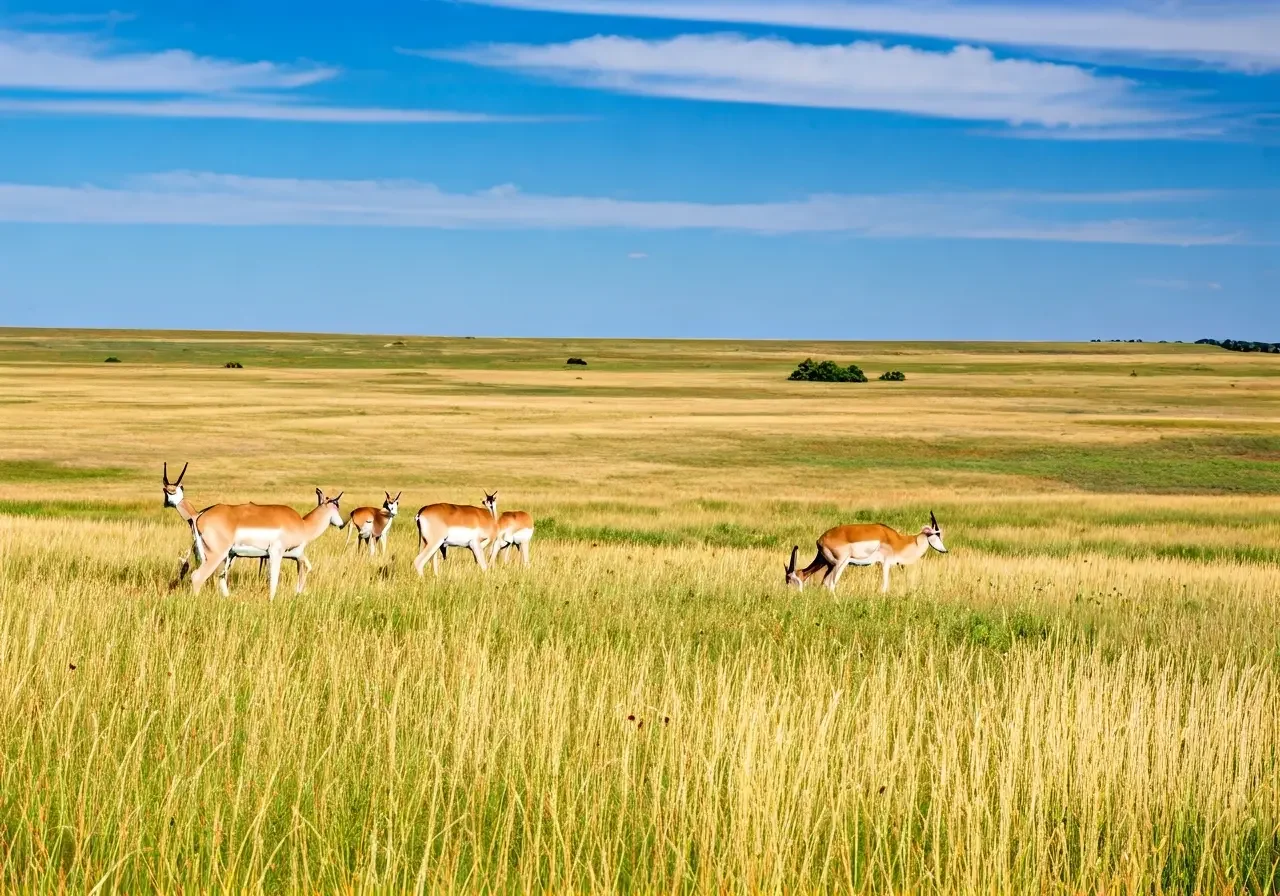
1. Abundance of Antelope Population
One of the standout features of Unit 82 is its rich population of antelope. The area is teeming with these elusive creatures, ensuring hunters a high chance of success. This abundance makes it one of the most promising regions for hunters seeking to bring home an impressive trophy. Antelope are known for their keen senses and speed, making the hunt in Unit 82 both challenging and rewarding. With populations managed carefully, hunters can look forward to sustainable hunting opportunities season after season.
Besides the high numbers, the health of the antelope population in Unit 82 is impressive. The animals are well-adapted to the local environment, thriving on the natural forage available. Wildlife management in the area ensures that populations remain robust, providing consistent hunting experiences year after year. As a result, hunters can focus on the thrill of the chase without worrying about sustainability concerns.
2. Varied and Picturesque Landscape
Unit 82 offers a diverse and picturesque landscape that enhances the hunting experience. From rolling plains to rocky expanses, the varied terrain challenges hunters and provides ample opportunity for strategic planning and skillful stalking. This diversity not only tests a hunter's skills but also offers breathtaking scenery along the way, making the journey as rewarding as the destination.
The beauty of the landscape is not just about aesthetics; it plays a critical role in successful hunting. Different terrains require different hunting strategies, and mastering these can lead to a more successful hunt. Whether you are navigating through open fields or maneuvering around rocky outcrops, the landscape of Unit 82 offers a perfect training ground for hunters at all levels.
3. Well-Defined Seasonal Regulations
The area benefits from well-organized hunting regulations that help maintain sustainable populations and a healthy balance between wildlife and hunting activities. These clear guidelines ensure a responsible and enjoyable hunting experience for everyone involved. Regulations such as specified hunting seasons and limits on the number of animals harvested are crucial in preserving the area's natural habitat.
Adhering to these regulations not only supports wildlife conservation but also ensures the safety and enjoyment of every participant. Hunters will find that the organization in Unit 82 is designed to maximize both enjoyment and ethical standards, making it an ideal location for responsible hunting practices.
4. Easy Accessibility
Accessibility is a major benefit of hunting in Unit 82. The area is well-connected by roads and offers easy access to various hunting sites, making it convenient for both local and out-of-state hunters to navigate without hassle. This ease of access means you can spend more time focusing on the hunt and less time on travel logistics.
Moreover, the well-maintained infrastructure allows for seamless transportation of equipment and game, adding to the overall convenience of the hunting trip. For those traveling from afar, nearby towns provide lodging and essential services, ensuring that every need is met during your hunting adventure in Unit 82.
5. Opportunities for Other Outdoor Activities
Beyond hunting, Unit 82 offers a wealth of outdoor activities such as hiking and wildlife viewing. This adds to the overall appeal of the area, allowing hunters and their families to enjoy a comprehensive outdoor experience. The region's natural beauty attracts not only hunters but outdoor enthusiasts of all kinds, providing numerous avenues for exploration.
Engaging in these activities can be a perfect complement to a hunting trip, offering a way to relax and appreciate the surroundings. Whether you're hiking scenic trails or enjoying the quiet serenity of birdwatching, Unit 82 provides an extensive array of activities that will appeal to every member of your group.
6. Local Support and Resources
Hunters will find plenty of local support in the form of guides, equipment rentals, and other resources. This infrastructure caters to the needs of hunters, enhancing the overall experience by providing necessary assistance and convenience. Experienced guides can offer invaluable local knowledge that can make a significant difference in the success and enjoyment of your hunt.
Having access to this local support ensures that even those new to the area or hunting in general can participate in the action without feeling overwhelmed. Whether you need guidance on the best spots to hunt or assistance with equipment, the resources available in Unit 82 enable hunters of all levels to maximize their experience.
7. Rich Hunting Tradition
Unit 82 boasts a rich tradition of hunting that is deeply embedded in the local culture. This heritage offers hunters a chance to engage with the area's history, adding depth to their adventure and a sense of connection to the land. This connection to tradition fosters a sense of respect for the environment and a shared community among hunters.
Participating in this longstanding tradition allows hunters to become part of a larger narrative, where the art of hunting is both a personal challenge and a communal bond. As you engage with locals and fellow hunters, you'll gain insights and appreciation for the enduring spirit of the hunt that defines Unit 82.
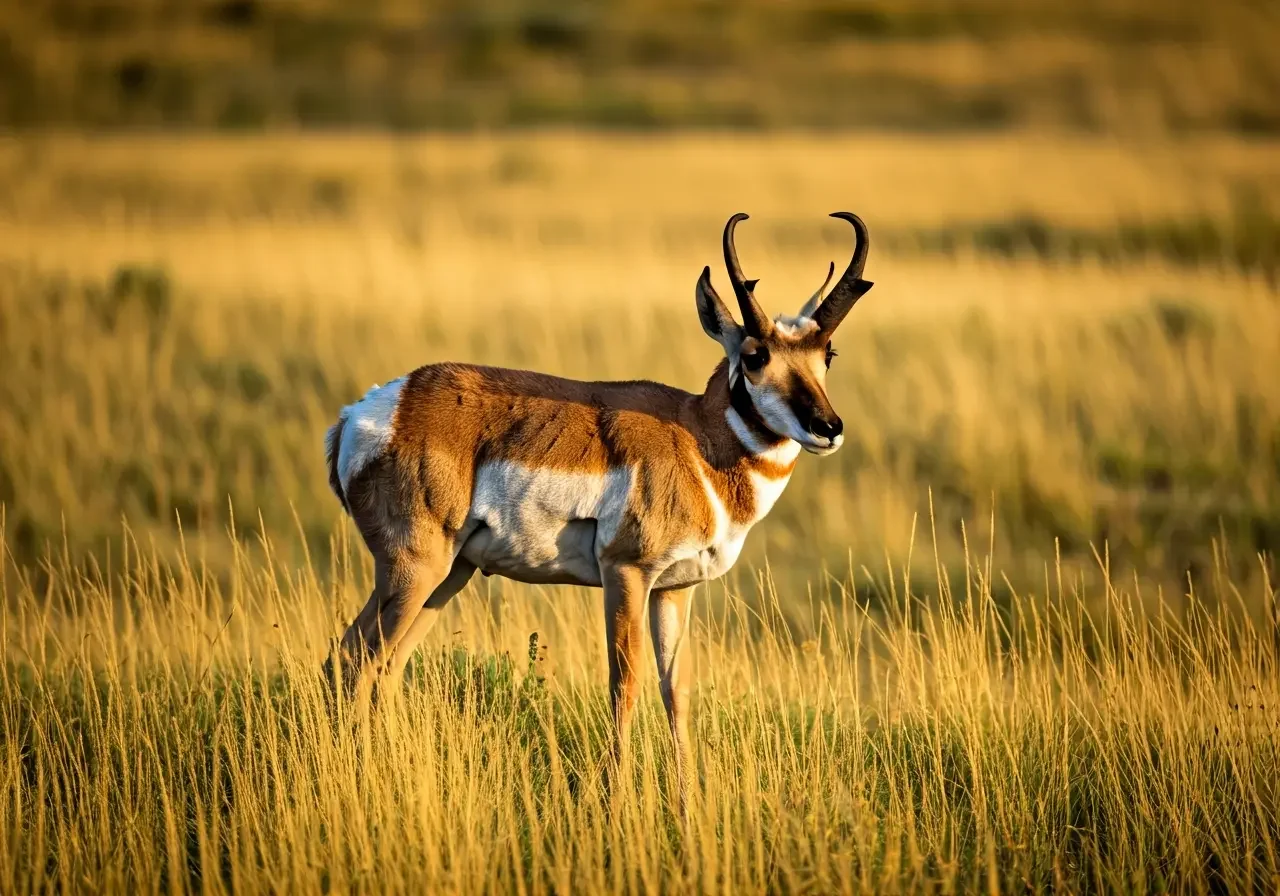
Colorado Trophy Pronghorn Hunts
Embarking on a trophy pronghorn hunt in Colorado is an adventure like no other. With its vast landscapes and rich wildlife, Colorado offers some of the best opportunities for hunters seeking these majestic animals. Whether you're a seasoned hunter or a newcomer to the sport, understanding the ins and outs of pronghorn hunting in Colorado can help you make the most of your experience.
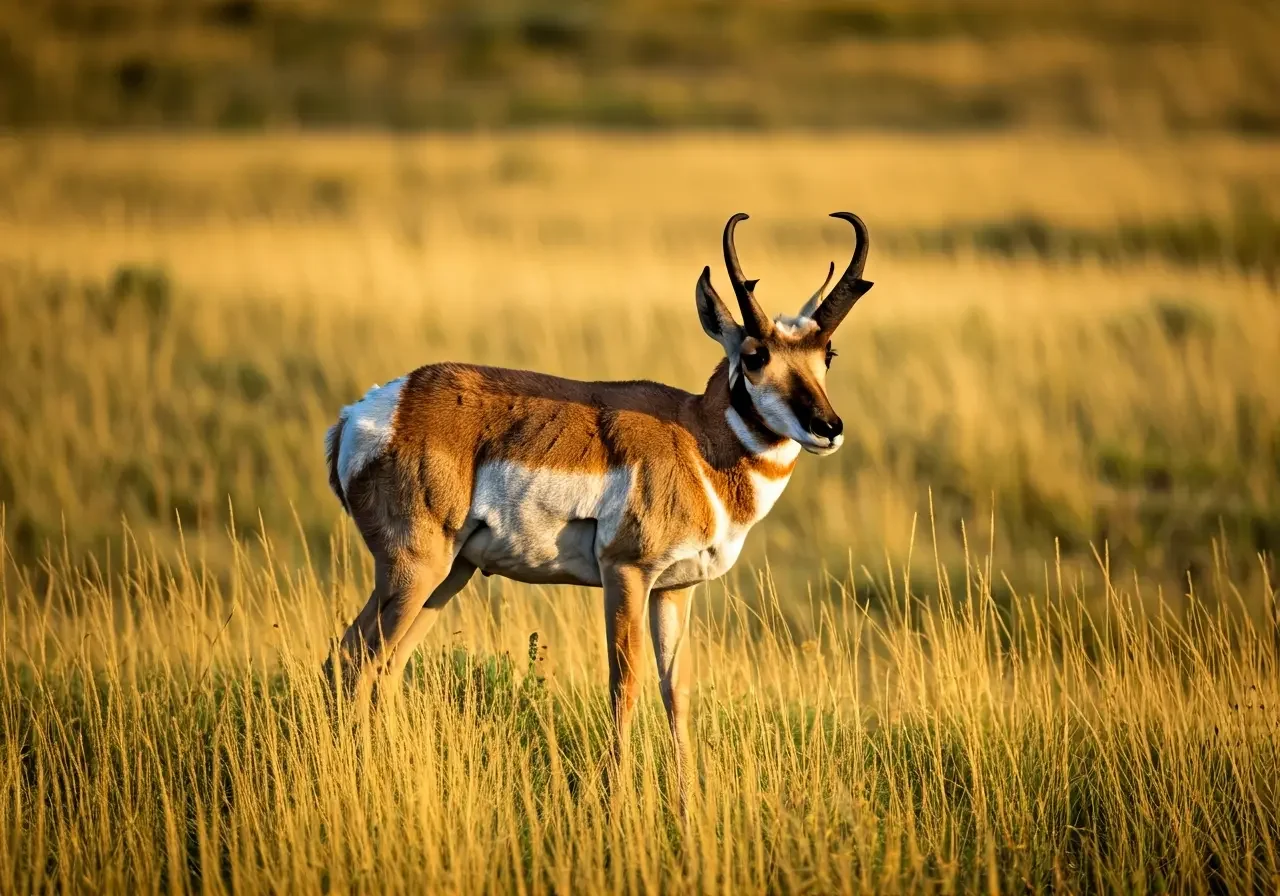
Understanding the Pronghorn Habitat
Colorado's diverse terrain is home to a significant population of pronghorns. These intriguing creatures thrive in open plains and grasslands, where they can easily spot predators and fast-moving threats. Understanding their habitat is essential for a successful hunt.
The pronghorn, often mistaken for the antelope due to its graceful appearance, is uniquely adapted to the wide-open spaces of Colorado. With sprawling landscapes spanning from rolling grasslands to the rugged terrain of the Rocky Mountains, their habitat offers both challenges and opportunities for hunters. In these environments, pronghorns use their incredible vision to evade predators, and their swift speed ensures a challenging chase for hunters. By observing these animals in their natural surroundings, hunters can better appreciate their behavior and movement patterns.
Learning about the pronghorn's dietary habits can also enhance hunting strategies. These animals primarily feed on grasses and forbs, which dictate their migratory patterns across the high plains. Understanding where food sources are plentiful can guide hunters toward potential pronghorn hotspots. Additionally, gaining insights into how these animals use the terrain for cover and escape routes can transform a hunter's approach from mere chance to informed pursuit. Resourcefulness is the key to a successful hunt on the plains.
The Importance of Permits and Regulations
Before you head out, obtaining the correct permits is crucial. Colorado Parks and Wildlife manages the permitting process, ensuring sustainable hunting practices. Familiarize yourself with the necessary regulations to ensure a legal and ethical hunt.
Securing the appropriate permits and understanding the regulations is not just about legality; it's about conservation. The rules set forth by Colorado Parks and Wildlife are designed to maintain a balanced ecosystem, ensuring the pronghorn population remains healthy and robust. Each year, hunters must navigate the draw system, which allocates permits based on available quotas. Being well-versed in this process can increase your chances of being successful in securing a coveted spot for the season.
For those unsure about where to start, plenty of resources are available to assist with the application process. Comprehensive guides and updates are provided by Colorado Parks and Wildlife to help hunters understand the nuances of the application timeline. Additionally, hunters might consider joining local clubs or online communities where experienced hunters share tips and tricks for navigating the permit system. Partnering up with knowledgeable individuals can make a significant difference in ensuring you have everything in order before the season opens.
Essential Gear for a Successful Hunt
Packing the right gear can make all the difference on your hunting trip. From suitable rifles to clothing that suits the Colorado weather, preparing your equipment in advance is key to a smooth and enjoyable experience.
When it comes to hunting pronghorns, having the right gear can make or break your experience. Opt for a rifle that balances accuracy with power, ensuring you can make a clean shot even at a distance. Equally important is selecting ammunition that matches both the rifle and the game. Hunters should also bring a reliable rangefinder. This tool allows for precise distance measurements, crucial for ensuring accuracy when targeting these swift creatures. As the weather in Colorado can be unpredictable, layering is essential. Dressing in moisture-wicking fabrics topped with breathable yet windproof outerwear can keep you comfortable throughout the day.
Beyond the basics, items like binoculars are indispensable for scouting and tracking. These not only enhance your ability to locate pronghorns but can also help identify other wildlife, adding to the overall outdoor experience. A high-quality backpack to carry your essentials, alongside a hydration system to maintain energy, is a must. Remember, being over-prepared is always better than being underprepared.
Best Times and Locations for Pronghorn Hunting
Timing and location are everything when it comes to trophy hunting. The pronghorn hunting season peaks in late summer to early fall. Discover the best locations within Colorado for spotting these elusive creatures and plan your trip accordingly.
Colorado boasts a myriad of prime locations for pronghorn hunting. The eastern plains, with their expansive grasslands, are often the most sought-after. Areas around Pawnee National Grassland and Comanche National Grassland are particularly popular for their natural beauty and abundant pronghorn populations. Timing your trip to coincide with the height of the rut in September can increase your chances of encountering trophy-worthy bucks, as this period sees the most activity. Hunters often find that early mornings and late afternoons, when pronghorns are more active in their search for food, offer the best opportunities.
Practical Tips for First-Time Hunters
For those new to pronghorn hunting, start with guided hunts or partner with experienced hunters. Learning from seasoned experts can provide invaluable insights and enhance your overall hunting experience.
Beginning hunters will benefit greatly from a focus on learning and patience. Observing the behavior of pronghorns, understanding wind patterns, and practicing calls can all contribute to a more rewarding hunt. Beginners should also focus on honing their patience and observational skills. Pronghorns are exceptionally vigilant, and the slightest misstep can cause them to flee. Practicing how to move quietly and how to read animal tracks will boost a novice's confidence and increase the likelihood of a successful outing.
Experience aside, first-time hunters should prioritize safety. Always communicate your location and intended route, and be aware of the weather conditions around you. Carrying a basic first-aid kit, and knowing how to use it, is essential. Taking part in our guided hunts can also provide a sense of security and education, ensuring that new hunters feel supported and equipped throughout the process.
Embrace the Thrill of the Hunt
Colorado's pronghorn hunts offer a thrilling and rewarding outdoor adventure. By understanding the landscape, obtaining the necessary permits, and preparing properly, you can ensure a successful and exhilarating hunting experience. Whether you're a veteran hunter or a first-time adventurer, the wild beauty of Colorado's pronghorn country is sure to captivate you. Visit our homepage to learn more about scheduling your next hunt.
How Can I Improve My Skills for Elk Hunts?
Embarking on an elk hunt can be a thrilling adventure, but to make the most of it, you need to sharpen your skills. Whether you're a seasoned hunter or a newcomer, there's always room for improvement. This guide will help you enhance your abilities, making your elk hunting experience more successful and enjoyable.
Understand Elk Behavior
Start by learning about elk habits and habitats. Understanding their migration patterns, feeding times, and social structure can give you a significant advantage in locating and tracking them. Elk are known to follow seasonal migration routes, which vary greatly depending on the time of year and food availability.
Get to know the different calls of the elk. Bulls are particularly vocal during rutting season, and identifying these calls can help you determine their location and behavior. Watching videos or recordings of elk calls can be an educational experience.
Elk tend to gather near water sources, particularly in the dry months. Understanding where these water bodies are located within your hunting area can provide clues on where to find elk throughout the day. Always be mindful of their movements and adapt to their pace for a more successful hunt.
Improve Your Physical Fitness
Elk hunting can be physically demanding. Enhance your stamina and strength through regular exercise to withstand the challenges of rugged terrains and long hikes. Incorporating cardiovascular exercises like hiking and jogging into your routine can be beneficial.
Consider working with a trainer to build a fitness regimen specifically tailored to hunting needs. Strength training, particularly focusing on your core and legs, can increase endurance and reduce the risk of injury.
Proper nutrition also plays a role in maintaining your fitness levels. Stay hydrated and consume a balanced diet, ensuring you have sufficient energy for the demands of elk hunting.
Master Your Equipment
Familiarize yourself with your hunting gear, whether it's a rifle or a bow. Practice shooting regularly to increase your accuracy and confidence in the field. Knowing the ins and outs of your equipment can make a significant difference in success rates.
Take advantage of clinics or workshops that focus on shooting skills. They offer hands-on guidance and opportunities to practice in environments that mimic real hunting scenarios.
Ensure your gear is in optimal condition. Regularly inspect your equipment for any signs of wear or damage, and make repairs as necessary to avoid potential failures during the hunt.
Focus on Stealth and Patience
Elk are attentive creatures; therefore, maintaining silence and patience is crucial. Learn techniques to move quietly and remain undetected while you stalk your prey.
Understanding wind patterns is critical in avoiding detection by elk. Wind can carry human scents, so always move against the wind when possible. Using scent-masking sprays can also aid in concealing your presence.
Practicing mindfulness and patience in small increments can be helpful in the field. Being able to remain still for extended periods also allows you to observe elk behavior more efficiently, increasing your chances of a successful hunt.
Wrapping Up Your Elk Hunt Skill Improvement
By honing your hunting skills, understanding the elk's habits, improving your physical fitness, mastering your equipment, and focusing on stealth and patience, you can significantly enhance your elk hunting experience. Keep practicing, stay informed, and enjoy the journey. As you continue to develop your skills, be sure to check out our home page for more tips and gear to support your hunting adventures.
How Can I Prepare for My First Elk Hunt?
Preparing for your first elk hunt can be both exciting and overwhelming. There's gear to gather, strategies to learn, and conditions to consider. This guide will walk you through key steps to ensure you're ready for the adventure ahead.
Research Elk Habits and Habitat
Understanding the habits and habitat of elk is crucial. Learn about their migration patterns, feeding habits, and preferred terrain to increase your chances of spotting them.
Elk are known to inhabit areas that offer a mix of open spaces and cover. Early mornings and late evenings are typically the best times to spot them as they move to and from feeding areas. Pay attention to seasonal migration as well, as this can greatly affect where you might find them during your hunt.
Scouting reports and migration maps are available from various wildlife agencies. They provide invaluable insights into elk movement and can guide your planning process. Check regulations and seasonal patterns, as these will help strategize your approach to the hunt effectively.
Choose the Right Gear
Investing in quality gear can make a big difference. From boots and clothing suitable for the weather and terrain to the rifle or bow you'll use, ensure everything is in optimal condition.
Layered clothing is key, as temperatures can vary widely throughout the day. Ensure your boots are broken in and provide good support and traction. A quality backpack is also essential for carrying supplies such as food, first aid kits, and extra ammunition.
Don’t overlook optics. A good pair of binoculars or a spotting scope can help identify elk from a distance, reducing unnecessary tracking in difficult terrain. To ensure you're fully prepared, explore our selection of hunting gear and outfitting options.
Get in Shape Physically
Elk hunting can be physically demanding, requiring long hikes in difficult terrain. Work on your endurance and strength to be prepared for the challenges ahead.
Incorporate cardiovascular exercises like hiking, jogging, and cycling into your routine to build stamina. Strength training, focusing on legs, core, and shoulders, will help you handle the physical demands of carrying gear over rugged landscapes.
Remember, altitude can also add an extra challenge to your hunt. Acclimatize yourself ahead of time if possible, especially if you’re not accustomed to high elevations.
Familiarize Yourself with the Area
Before your hunt, spend time scouting the location. Understanding the area's landscape will help you navigate and find potential elk hotspots more easily.
Utilize maps and GPS technology to mark trails, watering holes, and feeding grounds. Quartz Ridge, and Devils Backbone, are notable landmarks that could serve as reference points or guide your hunt. Local hunting guides can also provide valuable insights if you're unfamiliar with the terrain.
Practice Your Shooting Skills
Whether you're using a bow or a rifle, practice is key. Make sure you're comfortable and accurate with your weapon to ensure a humane and effective hunt.
Attend shooting ranges and participate in exercises that simulate real hunting scenarios. Consider shooting from various positions and distances to improve your accuracy and confidence under different conditions. Remember, ethical hunting is about making clean, lethal shots.
Engage in workshops and training sessions to fine-tune your skills. These settings offer real-time feedback and tips from experienced hunters, boosting your readiness for the field.
Final Thoughts on Your First Elk Hunt
With thorough preparation, your first elk hunt can be a rewarding and unforgettable experience. From understanding elk behavior to ensuring you have the right gear, each step helps you become a more skilled and confident hunter. Approach the hunt with respect for the animals and the wilderness, and you're sure to enjoy every moment. To make your hunting experience even more exciting, visit our homepage for top-notch gear and expert advice.
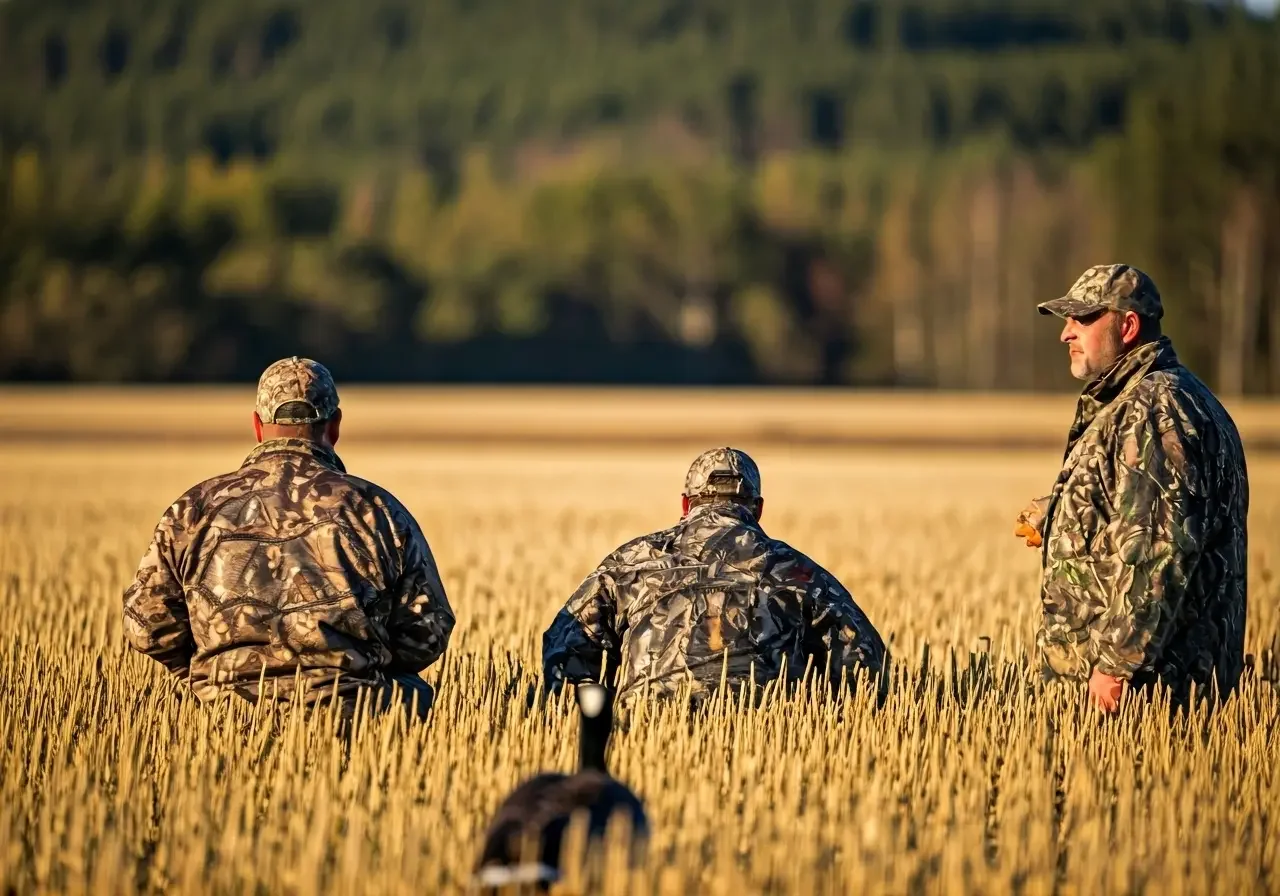
How Can I Prepare for a Successful Goose Hunting Trip?
Preparing for a goose hunting trip can be an exciting yet daunting task. Whether you're a seasoned hunter or a newcomer to the sport, having a well-thought-out game plan is essential. In this guide, we'll explore the essential steps to ensure your goose hunting adventure is both enjoyable and successful.
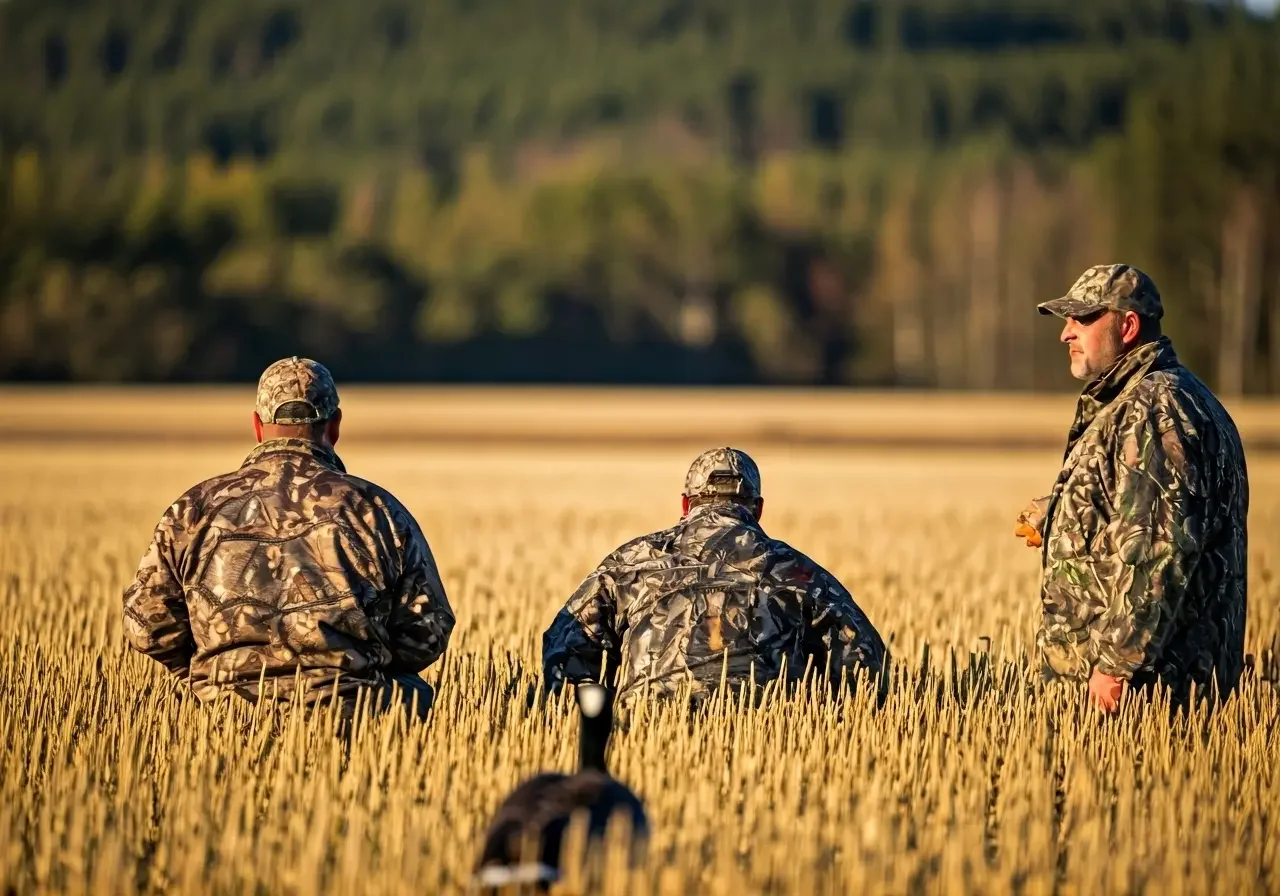
Choose the Right Location
Research areas known for high goose activity. Consider public lands or gain permission to hunt on private properties. Understanding the local wildlife patterns will greatly increase your chances of a successful hunt.
When selecting a location, look for bodies of water surrounded by open fields. Geese often frequent these areas for feeding and resting. Checking with local wildlife agencies can provide insights into these spots, ensuring you're heading to a productive location.
Another strategy is networking with fellow hunters. They often share experiences and tips on effective hunting spots. Local hunting forums and groups can also be invaluable resources in your location scouting efforts.
Gear Up with Essential Equipment
Make sure you have the right gear, including a reliable shotgun, ammunition, decoys, and calls. Dressing appropriately for the weather with layered clothing, camouflage, and waterproof gear is also crucial.
Don't underestimate the importance of quality decoys. Well-placed decoys can make a substantial difference in attracting geese to your setup. Remember, realism in your decoy spread is key.
In addition to equipment, consider safety gear like ear protection and high-visibility vests for when you're moving in dense areas. These small measures lead to a safer hunting experience.
Understand the Local Regulations
Familiarize yourself with the local hunting rules and regulations. This includes obtaining necessary permits, adhering to season dates, and following bag limits. This ensures a legal and ethical hunting experience.
Each state may have slight variations in their laws, so always double-check the current regulations before you head out. Ignorance of the rules can lead to hefty fines or worse, revocation of your hunting license.
Scout and Plan Your Approach
Spend time scouting the area before your hunt. Identify roosting sites and feeding grounds. Consider weather conditions and goose behaviors to plan effective setups and approaches.
Utilize tools like topographic maps and online satellite imagery to understand the lay of the land better. This knowledge is crucial for positioning yourself strategically.
Practice Your Calling Techniques
Effective calling can lure geese into range. Practice different calling techniques to mimic natural goose sounds. This will enhance your ability to attract geese during your hunt.
Listen to recordings of actual goose calls and mimic them. Over time, your proficiency will grow, and you’ll be able to adjust your calls based on the geese’s response, ensuring flexibility during the hunt.
Joining hunting workshops or watching online tutorials can provide you with a platform to learn new calling techniques and receive feedback from seasoned callers.
Final Thoughts on Goose Hunting Preparedness
By following these well-laid plans and preparation steps, you'll be set for an unforgettable goose hunting trip. Remember, patience and practice make perfect, and the joy of the hunt is as much in the preparation as it is in the experience itself. For more guidance and premium hunting gear options, visit our homepage.
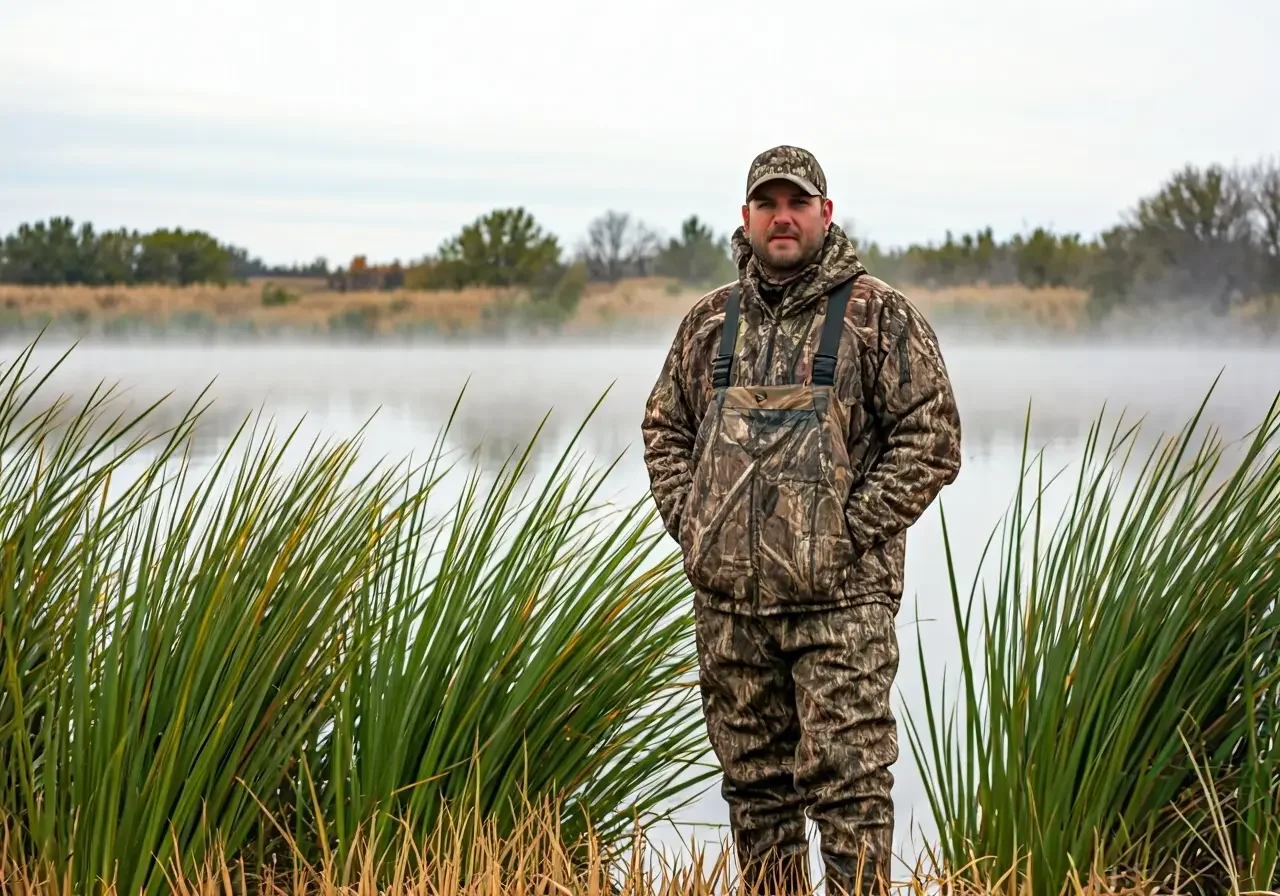
How Can I Prepare for Colorado Duck Season?
Getting ready for duck season in Colorado can be an exciting yet daunting task, especially for beginners. This guide aims to make your preparation process smooth and enjoyable, breaking down everything you need step-by-step.
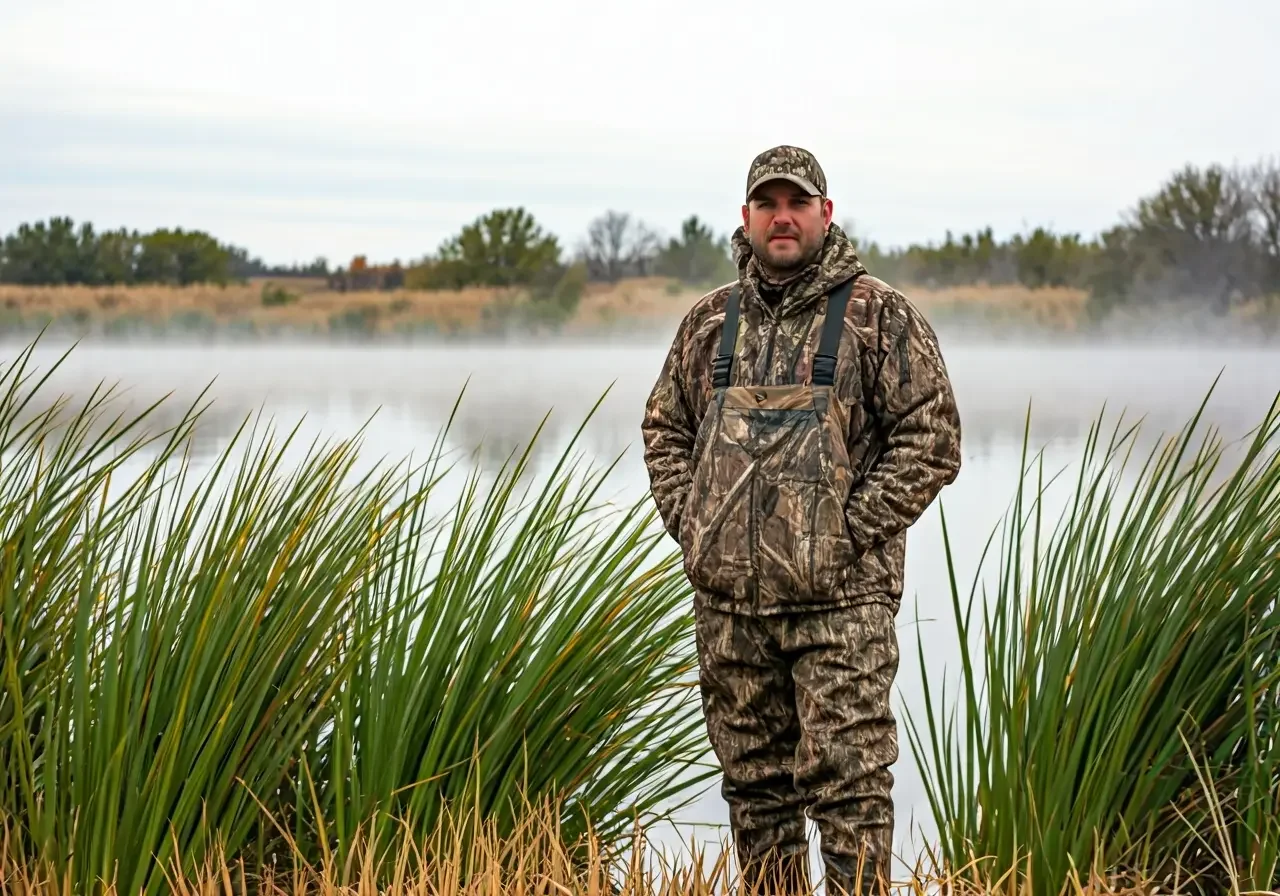
Understanding the Regulations
Before heading out, it's crucial to familiarize yourself with the current hunting regulations in Colorado. Check for any changes in dates, possession limits, and legal hunting methods to ensure you are compliant. Information can usually be found on official wildlife websites or through local authorities.
The Colorado Parks and Wildlife department updates their regulations annually. Be sure to check their guidelines here before you plan your trip. They occasionally host informational seminars that can be quite beneficial.
Hunting regulations often reflect the ecological balance needed to protect wildlife. By adhering to these rules, not only do you ensure your legal compliance, but also contribute to sustainable wildlife conservation efforts.
Getting the Right License
Secure the necessary hunting licenses and stamps required for duck hunting in Colorado. Make sure to renew or obtain these well ahead of the season to avoid any last-minute hassles. The process is straightforward, but processing times can vary.
The basic requirement is a small game license, although a federal duck stamp is also a must for waterfowl hunters. You can purchase these through various online resources or authorized retailers.
Often overlooked, the Habitat Stamp is another necessary purchase for Colorado hunters. It aids in funding the management of wildlife and their habitats within the state.
Gathering Essential Gear
Equip yourself with the essential hunting gear. This includes a sturdy shotgun, appropriate ammunition, suitable clothing for Colorado's weather, and decoys to attract ducks. Each piece of equipment can vastly improve your hunting experience.
Layered clothing is key due to Colorado's unpredictable weather. Waterproof gear is recommended as early morning fog and water are common in hunting spots.
Decoys can be the difference between a dull outing and a successful hunt. Strategically placing them in your chosen location can significantly increase your chances of drawing in ducks from afar.
Scouting and Choosing the Right Location
Spend some time scouting potential hunting locations. Look for areas with high duck activity and access to water sources. Optimal camouflage and strategic positioning can also increase your chances of success.
Utilize tools like Google Earth to explore terrain and pinpoint potential locations from the comfort of your home before venturing out to verify them in person.
Speaking to local hunters can provide invaluable insights. Learning from their experiences will help you make informed decisions about where to set up your hunt.
Practicing Your Shooting Skills
Take the time to practice your shooting skills before the season starts. Visit a shooting range to hone your accuracy and increase your confidence in the field. This practice helps ensure that any shot you take is safe and effective.
Understanding the dynamics of your shotgun and its response to different ammo types is crucial. Conduct practice sessions under various conditions, such as wind or low light, to simulate real hunting scenarios.
Planning for Safety and Comfort
Always prioritize safety by reviewing firearm safety rules and preparing for unexpected weather changes. Pack necessary supplies like first-aid kits, food, and water to ensure a comfortable and secure hunt.
Inform someone reliable about your hunting plans, including location details and expected return time. It increases safety and ensures help can reach you promptly should it be needed.
Maintaining comfort in the wild is essential. Adequate food, water, and rest are crucial to enjoy a full day hunt and maintain alertness throughout. Consider portable seating solutions for comfort during long waiting periods.
Final Thoughts on Preparing for Colorado Duck Season
Preparing for Colorado duck season involves planning, understanding regulations, gathering the right gear, and brushing up on your skills. With careful attention to each step, you can ensure a successful and enjoyable hunting experience.
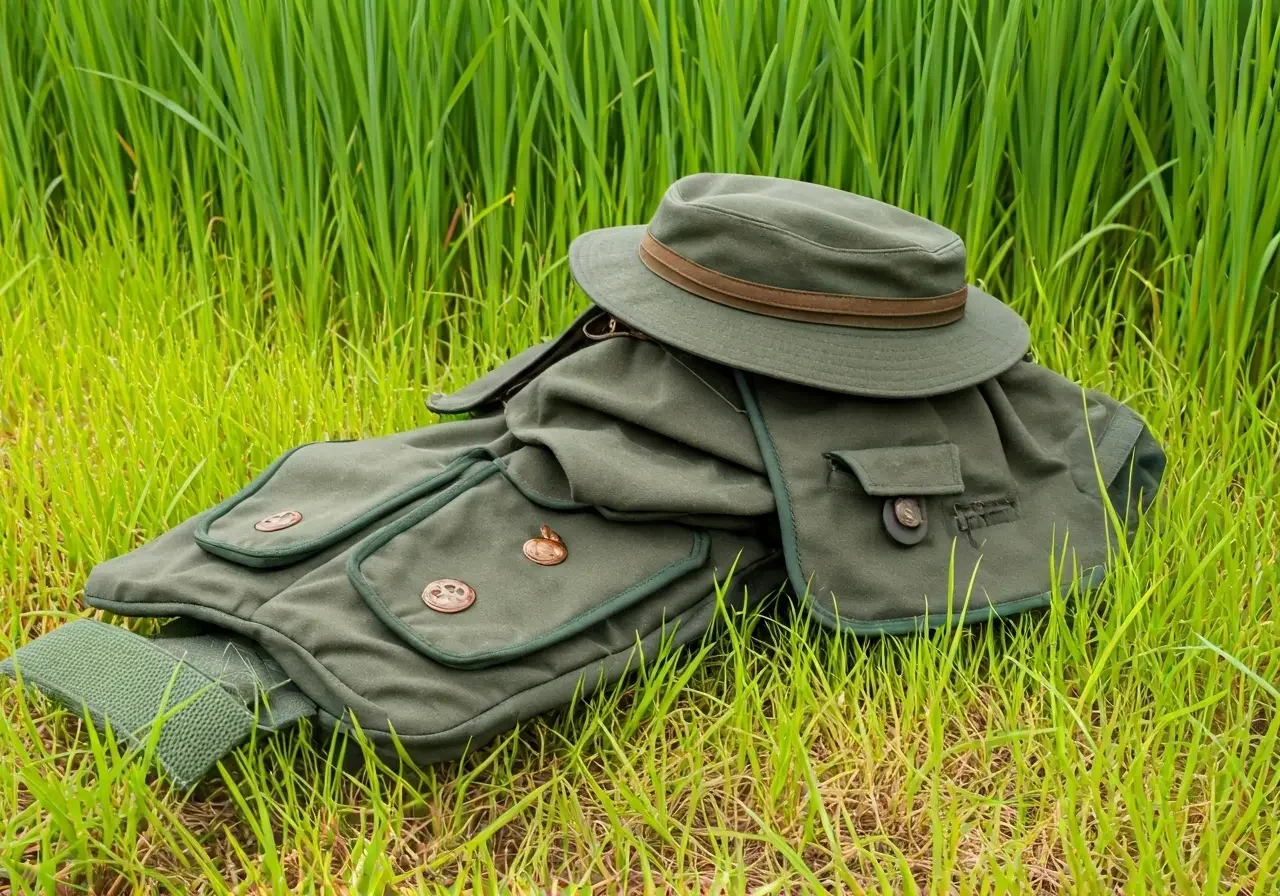
Packing the Perfect Gear for a Successful Goose Hunt
Embarking on a goose hunt can be an exciting adventure, whether you're a seasoned hunter or a novice eager to experience the thrill. Success, however, often depends on being well-prepared with the right gear that suits the specific needs of goose hunting. Let's dive into the essentials to ensure a fruitful and enjoyable hunt.
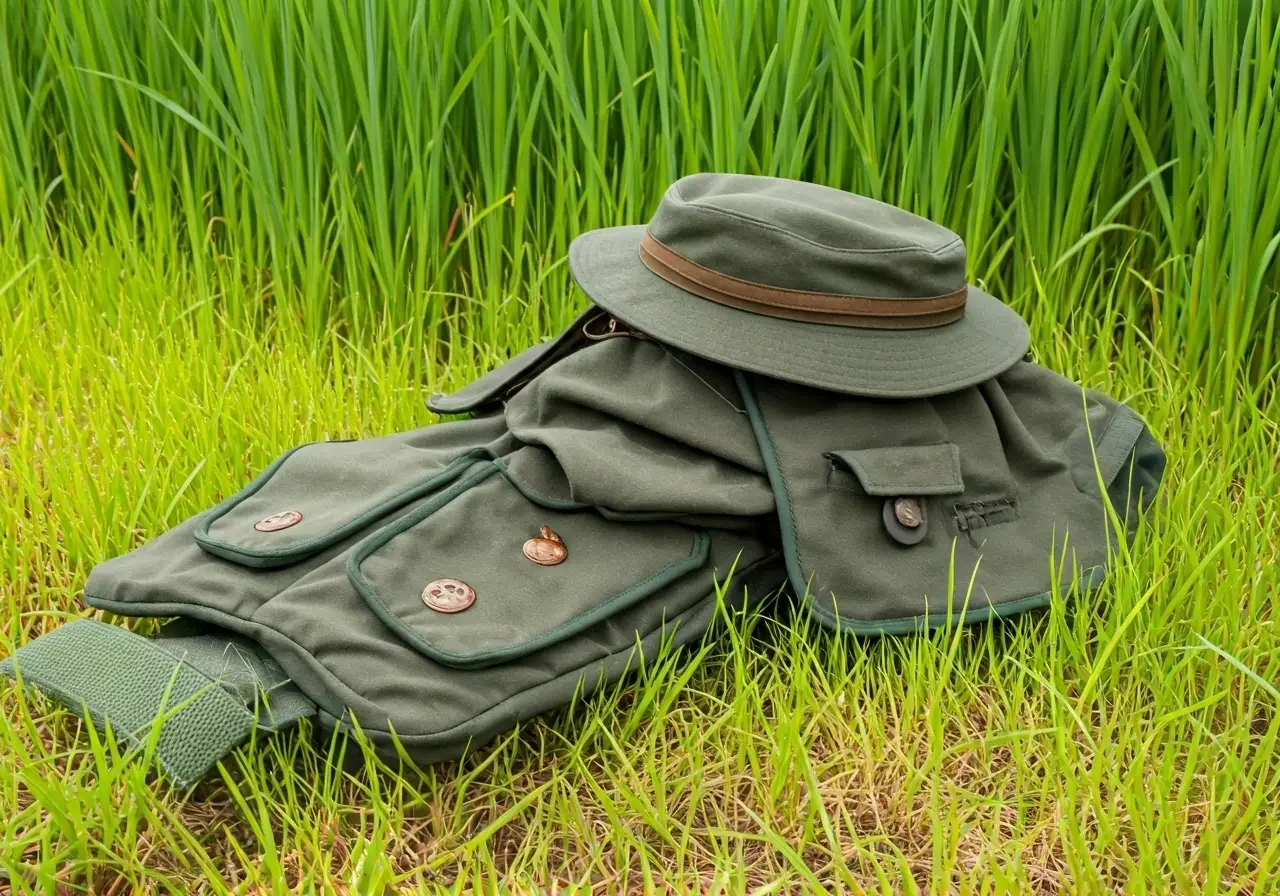
Understanding the Basics of Goose Hunting
Before diving into the gear specifics, it’s important to grasp the fundamental aspects of goose hunting, from the prime hunting season to the preferred locations and habitats of geese. Goose hunting typically occurs during late fall and early winter, when geese migrate southward to find milder climates. Knowing the types of geese you're hunting is essential, as different species may respond to different tactics and calls. Additionally, understanding the local state and federal hunting regulations is crucial to ensure a legal and ethical hunt.
Being familiar with the habitat preferences of geese is another key aspect. Geese are drawn to waterways, fields, and marshes, where they can find ample food and safety. Interestingly, geese have exceptional eyesight and are particularly cautious, which makes camouflage an essential element of your hunting strategy. Experienced hunters often recommend scouting locations days or even weeks in advance to identify spots where geese are active. This preliminary groundwork not only prepares you for the hunt but increases your chances of a successful outing.
Choosing the Right Clothing for the Weather
Goose hunting frequently involves early mornings in damp, cold environments, making the right clothing choices crucial. Layers are the magic word here. Start with a moisture-wicking base layer to keep sweat off your skin, followed by an insulating layer to trap heat. The outermost layer should be waterproof and windproof to protect against the elements. A good rule of thumb is to dress as if you're going to encounter lower temperatures than forecasted, as being cold can quickly ruin the hunt.
Camouflage is another critical clothing element. Geese are incredibly perceptive and can easily spot hunters who don't blend into their environment. Opt for camo patterns that match the specific terrain of your hunting area, such as marshlands or wooded fields. It's also wise to use face paint or a face mask and gloves that match your camo pattern, as exposed skin can give you away. Keeping comfort in mind, make sure your clothing choices allow for freedom of movement without making noise, ensuring you can navigate through your hunting grounds silently and efficiently.
Essential Hunting Equipment
When it comes to hunting equipment, a reliable shotgun is the cornerstone of successful goose hunting. Most hunters prefer 12-gauge shotguns as they offer the perfect balance of power and range necessary for bringing down geese. Choosing ammunition that matches both your shotgun specifications and hunting conditions is paramount. Steel shot is often recommended in wetland habitats to minimize environmental impacts. It's also important to carry enough shot shells to cover multiple attempts and potential misses.
Beyond firearms, consider investing in high-quality binoculars to scout and track geese from a distance, allowing you to plan your approach without spooking your targets. A sturdy and comfortable backpack is invaluable for carrying all your gear and supplies without sacrificing mobility. Don’t forget practicality items, such as a reliable flashlight, knife, and GPS device, which can be lifesavers in the field. This selection of gear ensures you're prepared to handle a variety of situations, promoting both safety and success on your hunt.
Picking the Perfect Decoys and Calls
Decoys and calls are essential tools for attracting geese to your location. When setting up decoys, opt for a variety of poses, such as feeding, resting, and sentry, to create a realistic scenario that can lure geese into your shooting range. It's crucial to understand which types of geese you'll encounter and select decoys that match their species and behavior. Generally, a spread of about two dozen decoys in a 'U' or 'J' shape is effective, as it simulates a naturally calm and feeding group of birds.
Calls are another vital component of your gear, and mastering different types of calls can significantly enhance your success rate. There are many types of goose calls, from short reed to flute calls, each producing different sounds and requiring different techniques. Learning to produce various tones, such as the 'cluck,' 'moan,' and 'double cluck,' takes practice but can result in drawing the geese in closer. Practice makes perfect, so spend time honing your skills before the hunting trip to ensure your calls are crisp and convincing.
Packing Safety Gear and First Aid
Safety should be a top priority for any hunter. Packing safety gear, including a first aid kit, can help address emergencies and ensure a safe hunting experience. Every hunter’s pack should include items such as bandages, antiseptic wipes, pain relievers, and emergency contact information. It’s also wise to pack emergency blankets and a whistle for signaling in the event of being lost or in distress. Prior planning can make all the difference if an incident occurs in the field.
In addition to the first aid kit, always carry a fully charged mobile phone or a two-way radio for emergency communication. Water and high-energy snacks are also essential for staying hydrated and maintaining energy levels throughout the hunt. It's easy to overlook personal safety when focused on the hunt, but proper preparation and comprehensive safety gear can provide peace of mind. Ensuring you're well-equipped to handle any situation ultimately makes the hunt more enjoyable and less stressful.
Bringing It All Together for a Successful Hunt
Packing the right gear is crucial for a successful goose hunt. By ensuring you have the necessary clothing, hunting equipment, calls, and safety gear, you increase your chances of a successful day in the field. Always remember to prioritize your safety and adhere to local hunting regulations. Happy hunting!
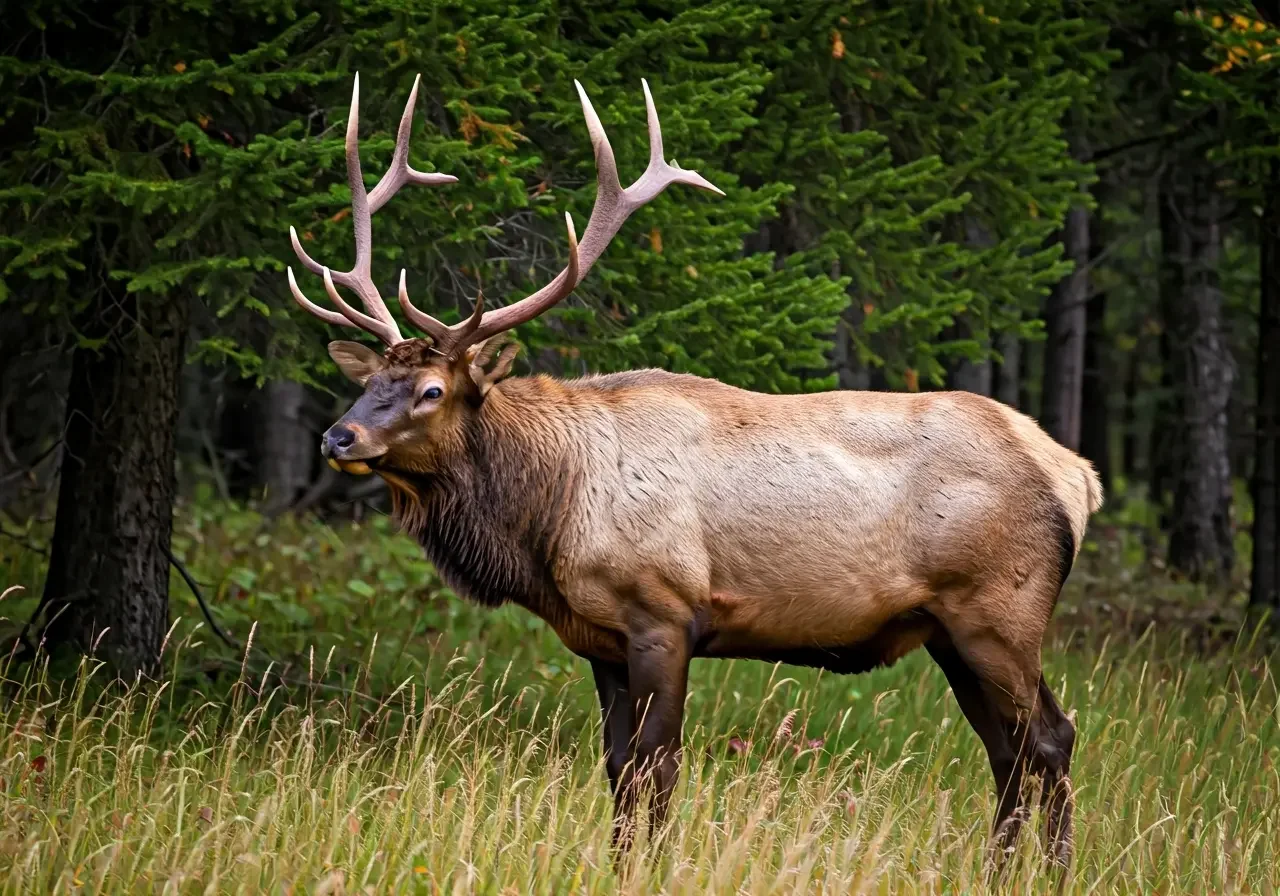
How Do Guided Elk Hunts Work?
Guided elk hunts offer an incredible opportunity for both novice and experienced hunters to experience the thrill of the hunt with expert guidance. Whether you're looking for your first big game hunt or aiming to improve your skills, understanding how guided hunts work can ensure a rewarding experience. This FAQ will walk you through the essential aspects of guided elk hunts.
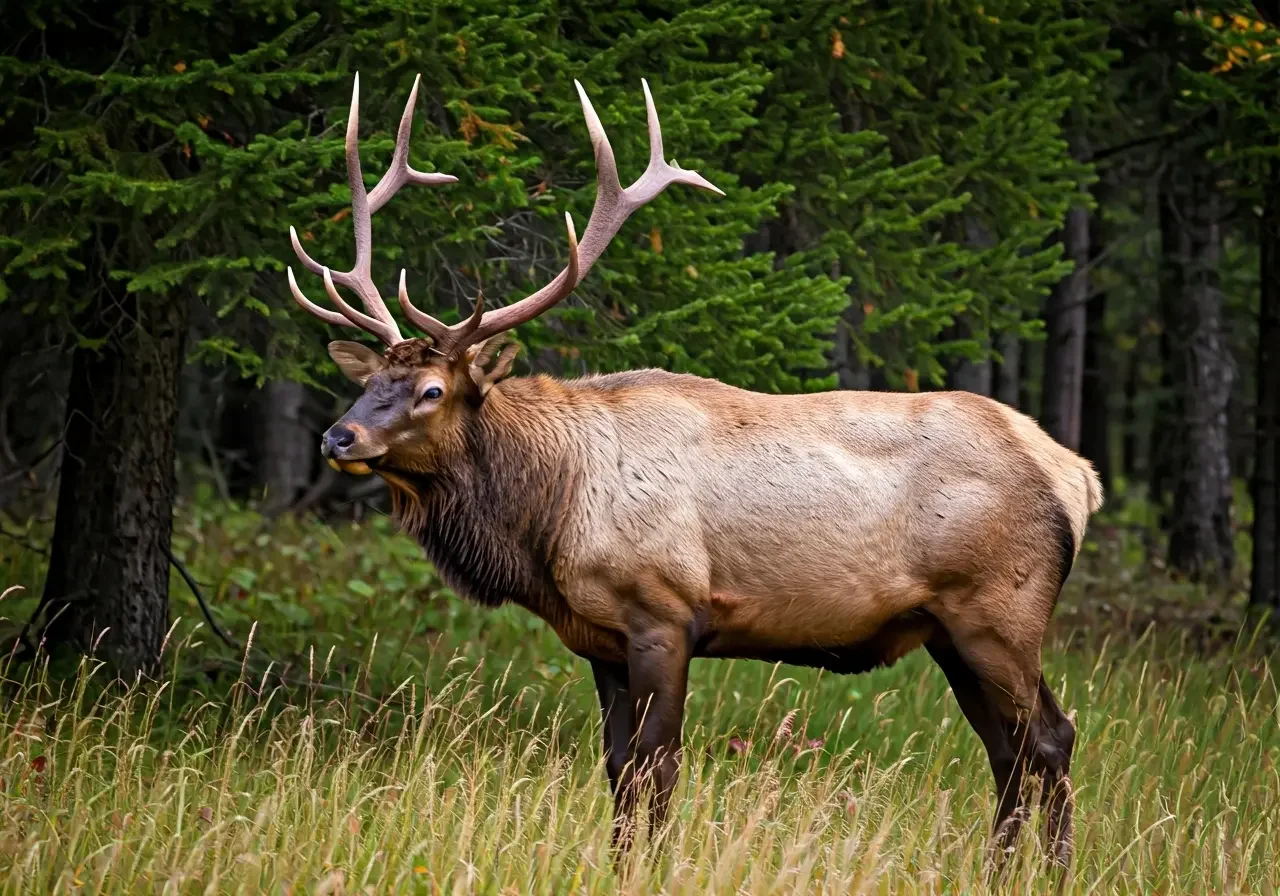
What is a Guided Elk Hunt?
A guided elk hunt is a hunting trip organized by a professional guide or outfitter who assists participants in locating and hunting elk. These guides offer expertise on the best hunting spots, techniques, and regulations, ensuring a successful and legal hunt.
The essence of a guided elk hunt lies in the blending of adventure with professionalism. Experienced guides help hunters navigate challenging terrains and adapt to the habits of these majestic creatures. The goal is to make each hunt not only successful but also an educational experience that enriches one’s hunting skills.
Guides provide detailed insights into elk behavior, seasonal movements, and strategic positioning, which are pivotal for a successful hunt. This expert knowledge is what distinguishes a guided hunt from self-led expeditions.
Why Choose a Guided Elk Hunt?
Guided elk hunts are ideal for those who want to maximize their chances of success. Guides provide valuable insights, local knowledge, and experience, making them essential for both beginners and seasoned hunters seeking a new challenge.
Guided hunts can save time and effort. By leveraging the guide’s familiarity with the area, hunters can focus on the thrill of the pursuit rather than logistical planning. This means more time spent on hunting and less time on guesswork.
Additionally, a guided hunt can often prove to be more cost-effective, as outfitter packages frequently include accommodations, meals, and sometimes even processing of the game. This comprehensive approach ensures a hassle-free hunting journey.
How to Select the Right Guide
Choosing the right guide involves researching their experience, reviews from past hunters, and understanding their hunting philosophy. It's vital to find a guide whose expertise and personality align with your hunting goals and expectations.
Evaluate potential guides by their credentials, certifications, and affiliations with hunting organizations. Such validations serve as indicators of their professionalism and commitment to ethical hunting practices.
Personal connection also plays a significant role. Interview potential guides to gauge their enthusiasm and passion for hunting. This interaction will give you a glimpse into what your hunting experience might entail with them.
What to Expect During a Guided Hunt
During a guided hunt, you can expect full-service attention, including accommodations, meals, and transportation within the hunting area. The guide will coach you through stalking, setting up, and taking shots, ensuring you're well-positioned for success.
Part of the allure of a guided hunt is the meticulous planning. The itinerary often includes daily hunting schedules, strategic spot choices, and time allocated to understand the habitat and behavior of elks.
An essential facet of the experience is the knowledge transfer from guide to hunter, enhancing your skills by learning how to assess wind direction, recognize signs of elk presence, and respond adeptly to shifting conditions.
Essential Gear for Guided Elk Hunts
While the guide may provide some gear, it's crucial to pack personal essentials like clothing appropriate for the weather, a reliable rifle or bow, optics, and other hunting accessories for comfort and effectiveness.
Footwear is an often overlooked yet critical gear selection. Invest in a pair of sturdy, waterproof boots designed for hiking in rugged terrains to ensure comfort and safety while covering ground.
Safety Considerations for Guided Hunts
Safety is paramount during any hunt. Ensure you understand the safety protocols, communicate openly with your guide, and follow all instructions carefully to enjoy a safe and rewarding experience.
Experienced guides prioritize the enforcement of safety measures, such as wearing hunter orange and maintaining clear lines of communication through radios or phones, vital in secluded and vast hunting areas.
Understanding firearm safety and ensuring that weapons are in good working condition are paramount. Trust in your guide to help facilitate these checks, providing peace of mind on your expedition.
Final Thoughts on Guided Elk Hunts
Guided elk hunts provide a structured and enriching hunting experience, catering to various skill levels. By selecting the right guide, preparing effectively, and prioritizing safety, you can enjoy an unforgettable adventure in the heart of nature. Whether you’re seeking a trophy elk or simply the excitement of the hunt, understanding the process helps you make the most of your guided expedition. Explore more of what we offer here.
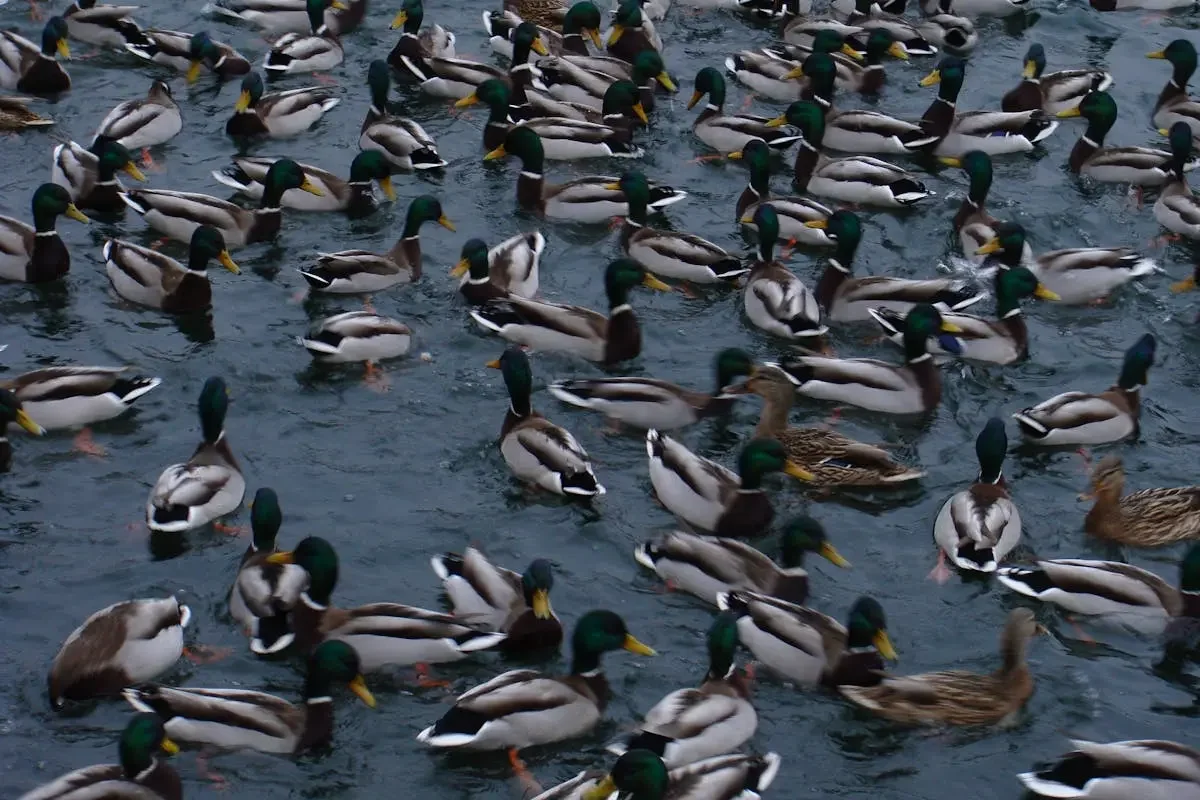
Navigating the Excitement of Colorado Duck Season
Colorado duck season is a thrilling time for hunters and nature enthusiasts alike. Whether you're a seasoned pro or a curious newcomer, there's nothing quite like the anticipation of a day spent in the great outdoors. In this guide, we'll explore the exhilarating experience of duck hunting in Colorado, sharing tips and insights to help you make the most of the season.
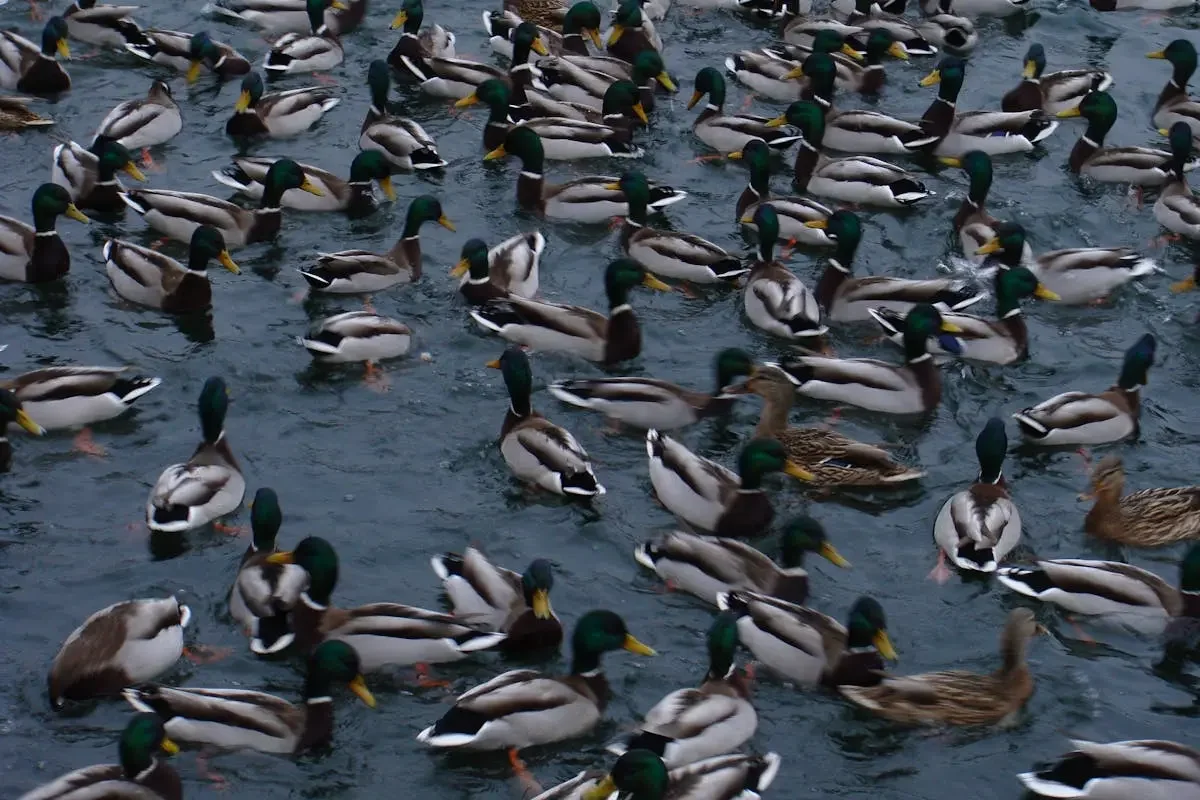
Understanding Colorado's Duck Hunting Regulations
Before heading out, it's essential to familiarize yourself with the local rules and regulations. Colorado has specific guidelines to ensure sustainable hunting practices and safety for all participants. Make sure to review the permitted hunting zones, season dates, and legal bag limits to stay compliant.
Anyone interested in duck hunting in Colorado should also secure the necessary permits and licenses. The process of obtaining these might seem daunting at first, but it's crucial for maintaining the delicate balance of wildlife and habitat. Make use of resources available on official wildlife licensing sites to ensure you're covered. Additionally, certain restrictions might vary depending on the location within the state, so it's always a wise decision to double-check.
Moreover, Colorado offers special youth hunting days, encouraging younger generations to partake in ethical hunting. This initiative not only fosters a love for the outdoors in young people but also promotes safe and responsible hunting practices, ensuring future generations of hunters adhere to ethical guidelines.
Essential Gear for a Successful Duck Hunt
Having the right gear can make all the difference. From waterproof boots and camouflage clothing to duck calls and decoys, each piece of equipment plays a vital role. We'll guide you through the must-have items to ensure you’re comfortable and well-equipped.
When preparing for a duck hunt, consider the weather conditions, as they can change rapidly. Layered clothing made of breathable materials is recommended to keep you warm without causing overheating. A sturdy pair of waders is invaluable when wading through marshes, providing both protection and mobility.
Do not underestimate the importance of a high-quality pair of binoculars. Spotting ducks from a distance and identifying their movement patterns can give you a strategic advantage. Quality optics enable clearer sighting and enhance your overall experience, especially when the ducks are in flight and harder to perceive with the naked eye.
Choosing the Perfect Hunting Spot
Location is key to a fruitful hunting experience. Discover the best spots in Colorado that offer optimal conditions and abundant duck populations. Understanding the landscape and natural habitats can significantly increase your chances of success.
Colorado's diverse range of wetlands provides numerous options for hunters to choose from. Some may prefer secluded ponds nestled in forests, while others might opt for larger lakes known for their high concentration of migratory birds. It's beneficial to research wetland ecosystems in the region as these environments tend to attract varied duck species.
Let's not forget the importance of scouting pre-season. By visiting potential hunting spots beforehand, you can get a sense of the activity levels, typical duck behaviors, and any potential access issues. Doing this homework ensures that your chosen location aligns with the movement of the birds, maximally boosting your chances of a successful hunt.
Mastering Duck Calls and Decoy Strategies
Effective communication with ducks requires practice and skill. Learn how to use duck calls and arrange decoys to mimic real-life scenarios, attracting ducks right to your location. We'll share proven techniques that seasoned hunters swear by.
The art of duck calling involves replicating the natural sounds ducks make. It's not simply about using the device; it’s about understanding the right timing and pitch for various situations. Engaging with communities or experts on forums that specialize in duck hunting can provide invaluable tips and updates on the best practices improving your call techniques.
Safety Tips and Best Practices
Safety should always be a top priority during any hunting excursion. This section covers crucial safety tips to ensure a secure and enjoyable experience for yourself and others. From handling firearms responsibly to monitoring weather conditions, preparation is key.
One critical element is understanding firearm safety. Regularly check that your weapon is maintained, cleaned, and handled properly. Engage with safety courses that focus on firearm management, especially if you're new to hunting.
Respecting Wildlife and the Environment
Responsible hunting goes hand in hand with conservation. Understanding how to respect nature and wildlife ensures that future generations can also enjoy the thrilling experience of duck hunting. Embrace ethical hunting practices and leave the wilderness as pristine as you found it.
Being a steward of the land involves more than just personal conduct. Participating in local conservation efforts and organizations helps protect the habitats of wildlife. Joining groups dedicated to habitat preservation or volunteering in clean-up and restoration projects embodies the true spirit of conscientious hunting.
Embrace the Thrill of the Hunt
Navigating the excitement of Colorado duck season can be an unforgettable adventure when you're prepared, informed, and respectful of the environment. Whether you're out there for the sport or the serenity, the real reward lies in the experience and the memories you create. Happy hunting!
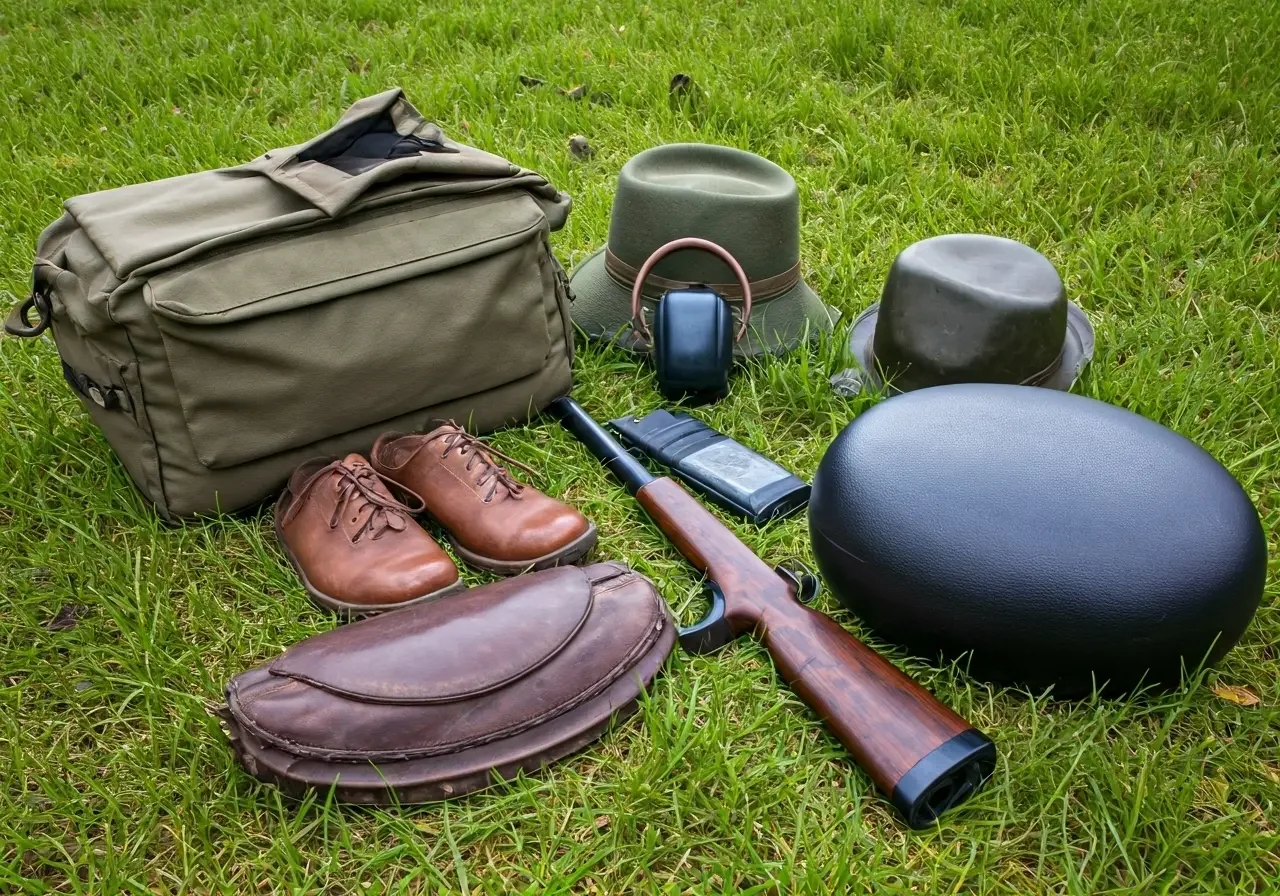
What Gear Do I Need for Guided Elk Hunts?
Embarking on a guided elk hunt is an exciting adventure that requires careful preparation and packing. To ensure a successful and enjoyable experience, it's important to bring the right gear. This FAQ will walk you through the essentials for a memorable guided elk hunt.
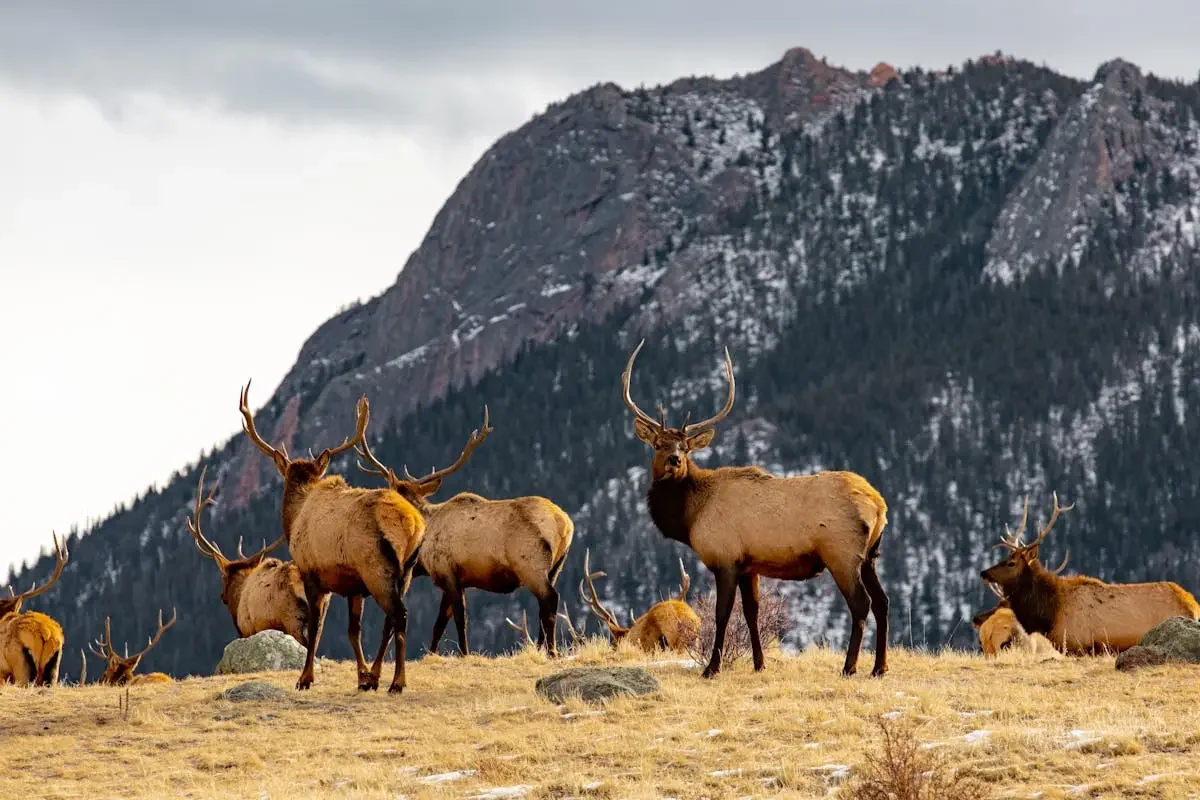
Clothing Essentials
Layering is key for elk hunting. Opt for moisture-wicking base layers, insulating mid-layers, and waterproof outer layers to adapt to changing weather conditions. Don't forget a camo pattern that blends into the environment and sturdy boots with ankle support.
Functionality and warmth should be your priorities. A well-insulated jacket and pants are crucial, especially for those early morning outings. Staying warm not only helps with focus but ensures your comfort throughout the hunt.
Headwear and gloves are often overlooked but are just as important. A warm beanie and insulated gloves can prevent heat loss in colder temperatures. Make sure these items are also in a natural camouflage pattern.
Hunting Equipment
Your choice of weapon is crucial, whether it's a rifle, bow, or muzzleloader. Ensure your equipment is sighted in and practice using it before your hunt. Bring a quality pair of binoculars and a reliable rangefinder for spotting elk from a distance.
Don't underestimate the power of good optics. A spotting scope can be invaluable. When paired with quality binoculars, you’ll be able to spot elk at greater distances, giving you a significant advantage.
Safety and Navigation Gear
Always carry a GPS device or a reliable map and compass. A first aid kit is also essential for handling minor injuries in the field. Consider bringing a personal locator beacon for added safety in remote areas.
A whistle and flashlight are small but critical safety items. In low visibility or emergency situations, these tools assist in communication and navigation, ensuring you can find your way back to camp.
Personal Items
Pack enough food and water for the duration of your hunt. A portable water filter can be invaluable. Don't forget personal items like toiletries, sunscreen, bug spray, and a good pair of sunglasses.
Energy bars and high-protein snacks are perfect for long days in the field. They provide the necessary fuel to maintain your stamina and focus during taxing hunts.
Backpack and Storage Solutions
Choose a backpack that is comfortable for long hikes and has enough space for all your gear. Compression bags and dry sacks can help organize your belongings and keep them dry.
Ensure your backpack fits well to avoid discomfort on long treks. Adjustable straps and padded back support are features to look out for to ensure a good fit and distribution of weight.
Gearing Up for Success
With the right gear, your guided elk hunt can be a truly unforgettable experience. By following this checklist, you'll be well-prepared to handle the unique challenges of elk hunting while enjoying everything the great outdoors has to offer. Happy hunting! For more tips and to book your next adventure, visit our homepage.
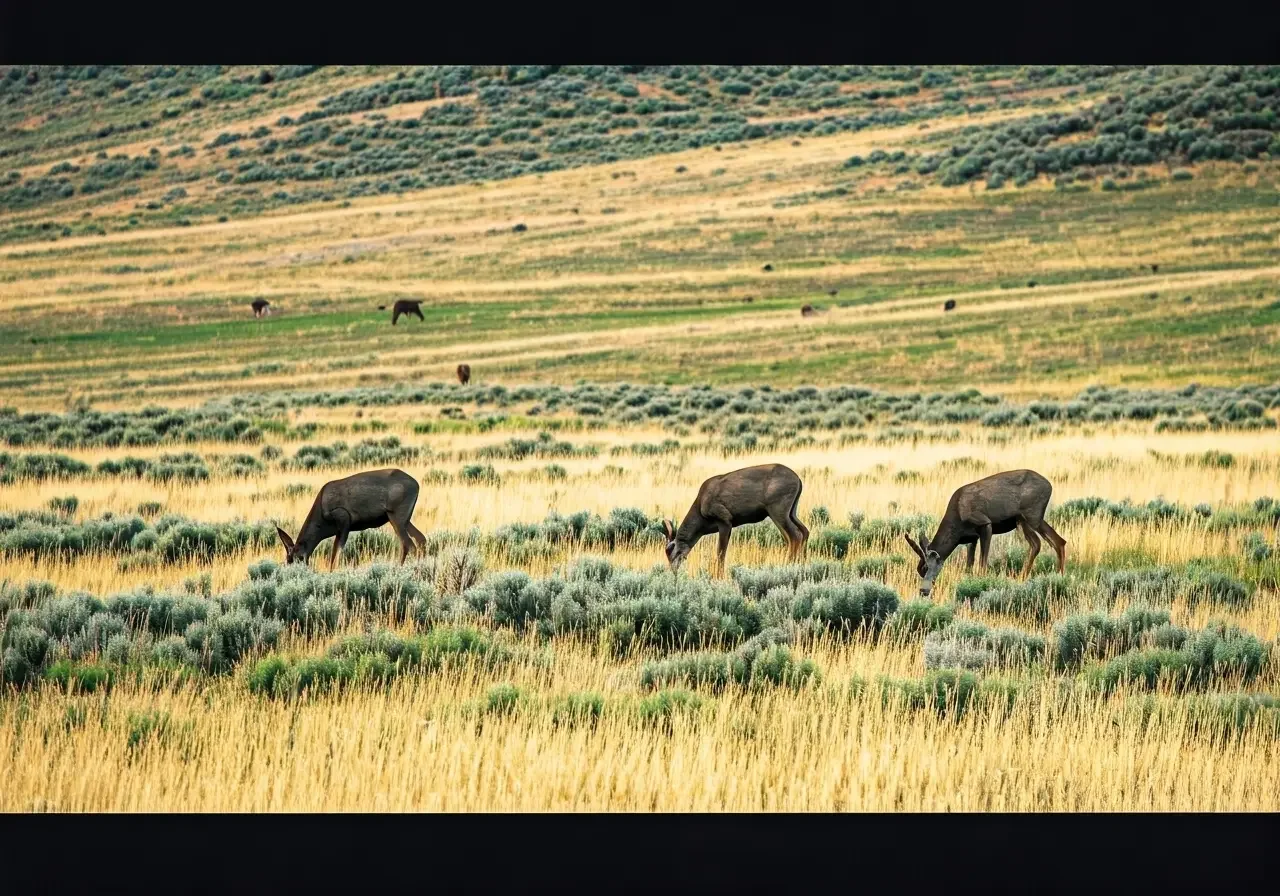
How Do Private Land Mule Deer Hunts Work?
Private land mule deer hunts offer a unique and rewarding experience for hunters. With access to exclusive areas and often less competition, these hunts can be a great way to enjoy the outdoors and harvest a mule deer. But how exactly do these hunts work? Let's break it down.
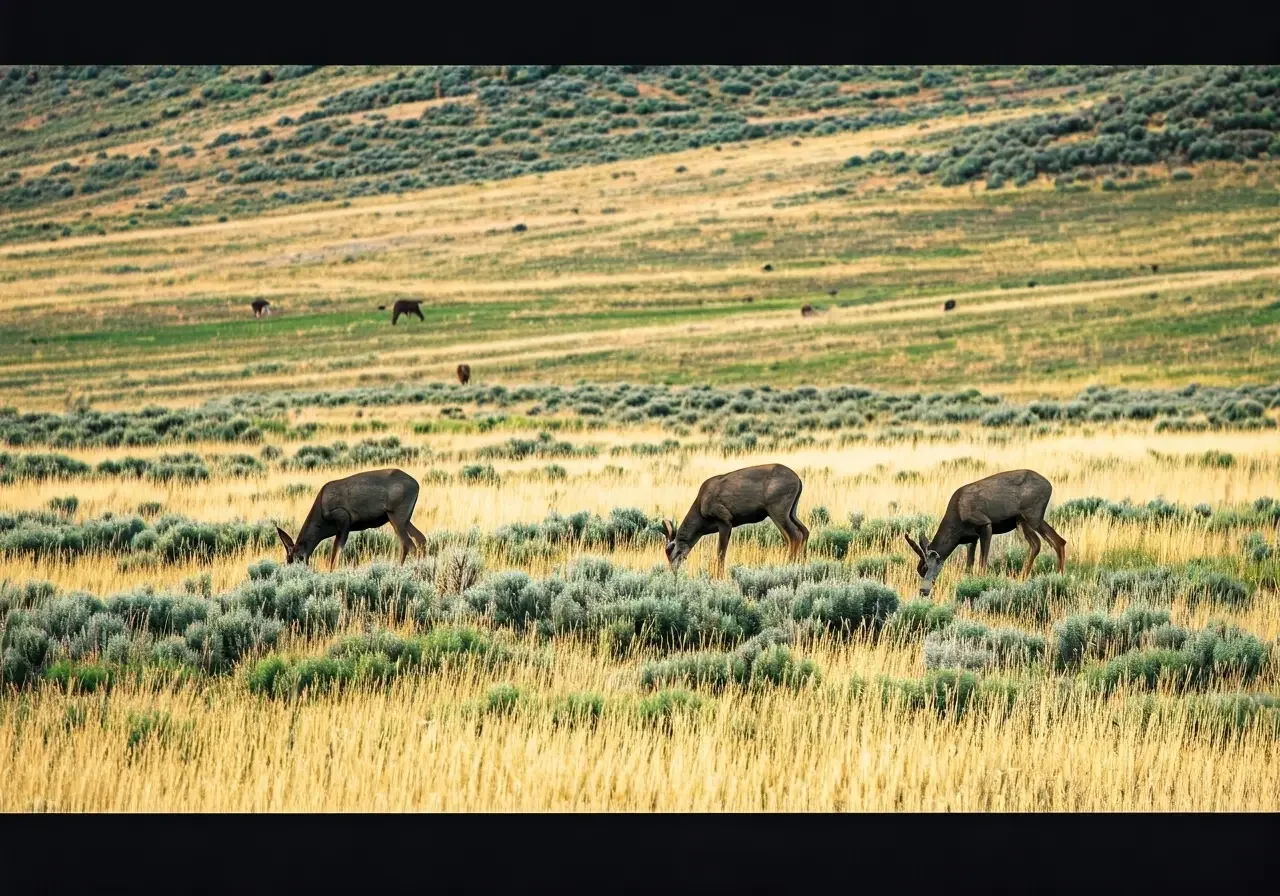
What is a Private Land Mule Deer Hunt?
A private land mule deer hunt is a hunting experience that takes place on privately owned land. These hunts often offer limited access, meaning fewer hunters and more opportunities for a successful harvest.
Private lands often encompass various terrains, offering hunters a chance to explore unique landscapes. This type of hunt is known for the peaceful and exclusive environment it provides, away from the crowded public hunting areas.
Another key benefit is the potential for encountering larger, mature bucks due to less hunting pressure. Hunters often find this opportunity rewarding as it allows for more strategic planning and stalking experience.
How to Gain Access to Private Land?
Securing permission to hunt on private land can involve contacting landowners directly or going through outfitters who lease hunting rights.
Many outfitters, like us at BBB Outfitters, offer guided hunts where we handle the negotiation process, ensuring you have access to some of the best lands available.
Respect and communication are crucial when dealing with landowners. Always ensure to follow any specific rules they might have regarding hunting practices on their property.
What Licenses and Permits are Required?
Hunters must obtain the necessary hunting licenses and permits for mule deer hunting, which may vary by state. Always check specific regulations for private land hunting to ensure compliance.
In Colorado, for example, you may need a combination of a landowner voucher and a hunting license. Certain areas might also require specific tags such as A, B, or C tags depending on the region Learn more.
Consulting with a reliable outfitter can simplify the process as they can provide detailed guidance on obtaining the necessary documentation in compliance with state and local regulations.
What to Expect During the Hunt?
Private land hunts typically offer a more controlled environment with potentially higher success rates. Hunters may have access to guided services and more tailored amenities.
The land's natural beauty often includes less disturbed wildlife, encouraging behaviors like rutting, which can be advantageous for hunters seeking trophy bucks See wildlife management.
With guided hunts, you could also benefit from the expertise of professional guides who have comprehensive knowledge of the land, animal behaviors, and optimal hunting strategies.
Tips for a Successful Hunt
Plan your hunt thoroughly, respect the landowner's rules, and be prepared for changing conditions. Understanding the terrain and mule deer behavior can also increase your chances of success.
Utilizing scouting resources or technologies like game cameras prior to your hunt can provide valuable insights into animal movements and patterns, improving your hunt efficiency Explore tech for hunting.
Staying attuned to the mule deer's natural behaviors during specific seasons, like the rut, can significantly improve your odds of sighting and successfully hunting your game.
Wrapping Up Your Private Land Mule Deer Hunt
Private land mule deer hunts provide an exclusive opportunity to pursue game in a less pressured environment. By understanding the process—from choosing the right location to adhering to specific regulations—hunters can enjoy a successful and enjoyable hunting experience. Explore our offerings and start planning your adventure with us today at BBB Outfitters LLC.
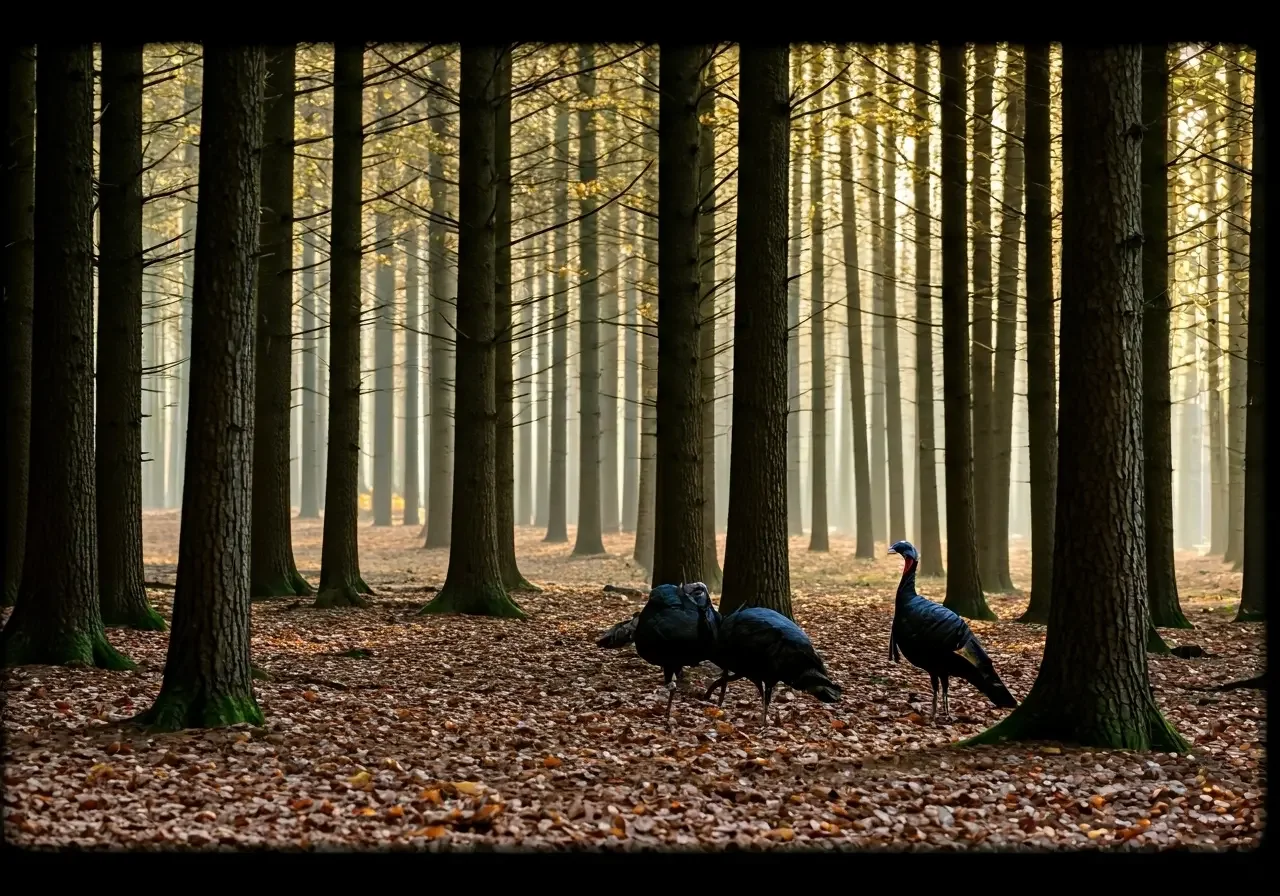
Are Guided Turkey Hunts Suitable for Beginners?
Embarking on your first turkey hunting adventure can be both exciting and daunting, especially if you're a beginner. Choosing a guided turkey hunt might just be the perfect way to start. In this FAQ, we'll explore whether guided turkey hunts are suitable for beginners by addressing key questions and offering some peace of mind.
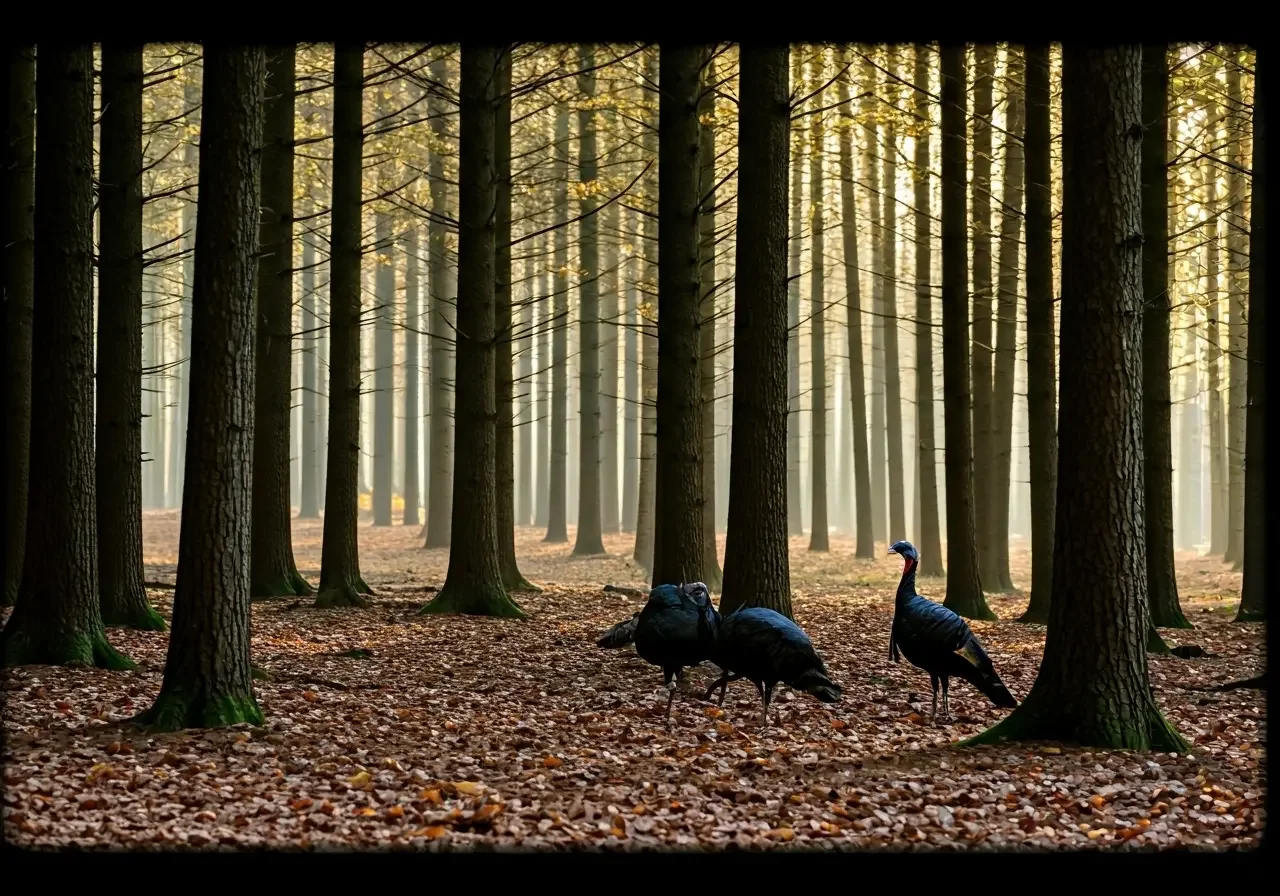
What is a Guided Turkey Hunt?
A guided turkey hunt involves going on a hunting expedition with a professional guide who provides guidance, expertise, and equipment. These hunts are tailored for both seasoned hunters and beginners alike.
Guided hunts often take place in areas that are known for abundant turkey populations, increasing the chances of a successful experience. The guide’s local knowledge about turkey behaviors and movements plays a critical role in planning the hunt.
Participating in a guided turkey hunt also means you have access to specialized equipment and calling techniques that are essential for attracting turkeys. This significantly reduces the cost and time involved in acquiring these on your own.
Why Are Guided Hunts Beneficial for Beginners?
Guided hunts offer several benefits for beginners, including professional guidance, education on hunting techniques, and increased chances of success. They help ease the learning curve and make the experience more enjoyable.
Another major benefit is the safety aspect. With a seasoned guide at your side, you can confidently navigate the terrain, handling firearms and wildlife encounters with the knowledge that you're in safe hands.
For many beginners, the camaraderie and mentorship that come with guided hunts can be invaluable. Learning directly from an experienced hunter allows you to glean insights and tips that are only discovered through years of practice.
Additionally, guided hunts help beginners gain confidence by providing a structured learning environment that focuses on honing key skills, such as spotting signs of turkey activity, using calls, and setting up decoys. This foundation can be the stepping stone towards successful independent hunts in the future.
What Should Beginners Expect from a Guided Hunt?
Beginners can expect hands-on experience, personalized instruction, and comprehensive support from their guide. This ensures that they can focus on learning and enjoying the hunt with confidence.
Your guide will likely begin with a safety briefing, orienting you with the area, and explaining the importance of ethical hunting practices. Safety is paramount, and guides ensure this remains a top priority throughout your adventure.
While on the hunt, expect clear instructions on how to properly use turkey calls and interpret the sounds and responses from the birds. This is a fascinating skill set that significantly enhances the overall hunting experience and increases your chances of success.
At the end of the hunt, guides often offer a debrief session highlighting key learnings and discussing the day’s experiences. This reflection is an essential part of the learning process, allowing beginners to consolidate their hunting knowledge.
How to Choose the Right Guide for Your Hunt?
Selecting a reputable guide is crucial. Beginners should look for guides with proven experience, good reviews, and those who offer beginner-friendly services. It's also important to communicate expectations and ask questions before booking.
One way to identify a good guide is by checking if they are affiliated with respected hunting organizations or possess certifications indicating a standard of professionalism and ethical hunting practices.
Consider reaching out to previous clients to gather insights into their experiences. Honest feedback can provide a clear picture of what to expect and help ensure the guide's approach aligns with your hunting goals and comfort level.
Finally, assess the cost of the guided hunt relative to the services provided. A comprehensive package that covers meals, accommodation, equipment, and guiding services offers better value and means fewer worries on the hunt itself.
Why Guided Turkey Hunts are a Great Choice for Beginners
Guided turkey hunts are indeed suitable for beginners, providing expertise, safety, and a structured learning environment. By choosing a reputable guide, beginners can learn invaluable skills and enjoy a successful and stress-free hunting experience.
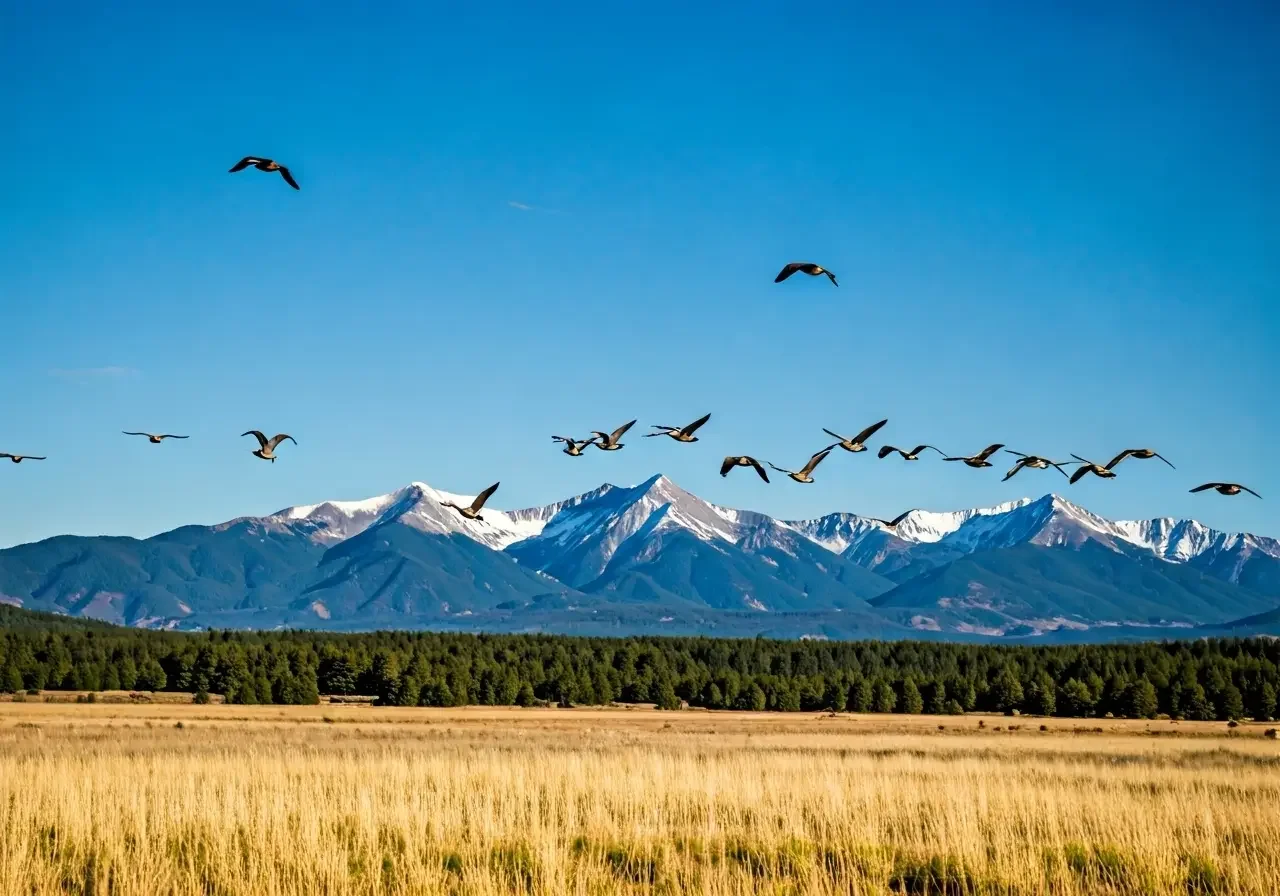
Preparing for Colorado goose season: Everything You Need to Know
As the days grow shorter and the temperatures start to drop, hunters in Colorado gear up for one of the most anticipated times of the year: goose season. Whether you're a seasoned hunter or a beginner eager to experience the thrill of the hunt, proper preparation is key. This guide will walk you through everything you need to know to make the most of Colorado's goose season.
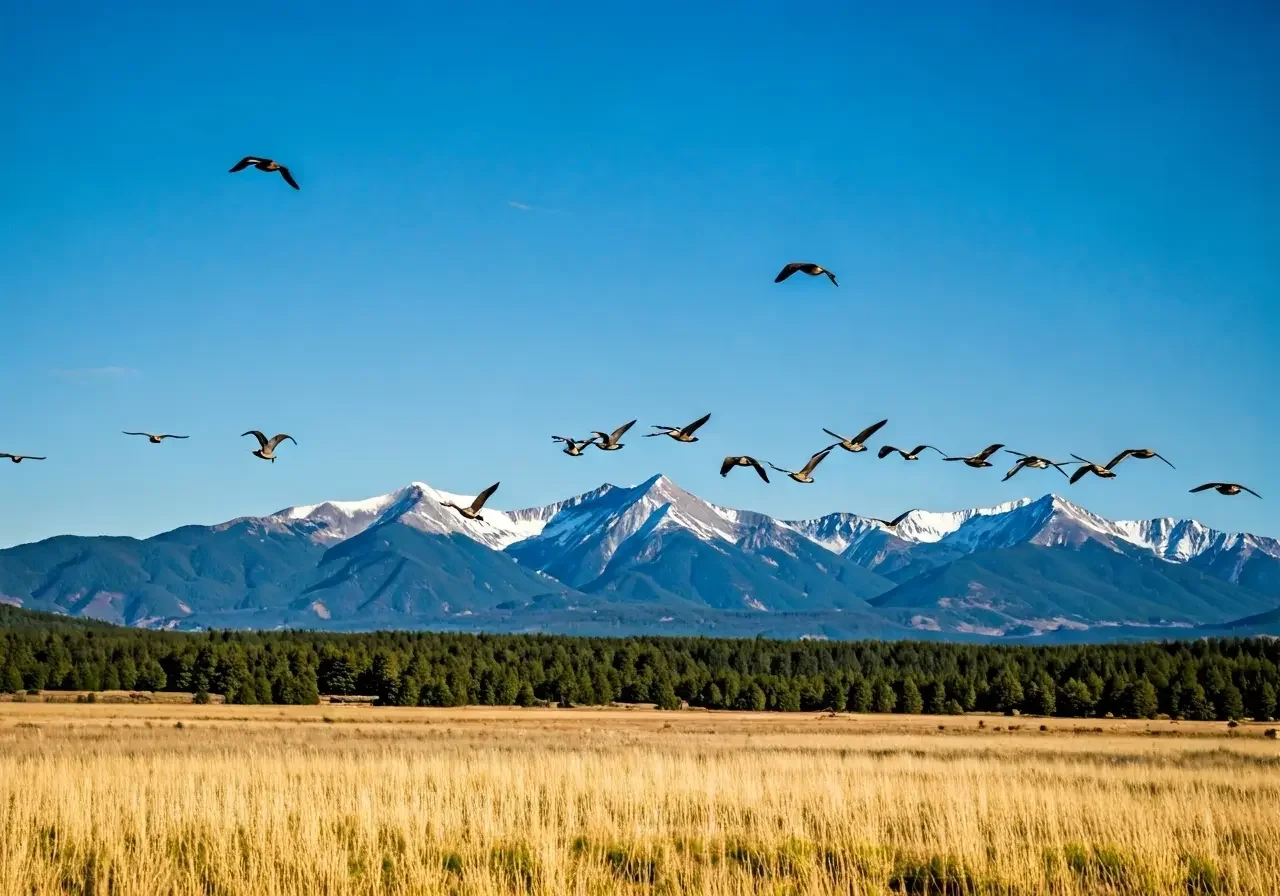
Understanding the Goose Season in Colorado
The goose season in Colorado is a time-honored tradition that offers an excellent opportunity for both novice and veteran hunters. Understanding the specifics of the season, including start and end dates, goose species available, and regional regulations, is crucial for a successful hunt.
Colorado's diverse landscape provides various habitats that are home to different goose species, including the snow goose and Canada goose. These species have different behaviors and patterns, which can significantly affect your hunting tactics. It's important to check the Colorado Parks & Wildlife site for specific season dates and regulations. This ensures that you stay within legal boundaries and helps in planning your hunts around peak migration periods for better success.
Additionally, understanding the geographical zones in Colorado, which often define different hunting seasons and limits, can help you plan your hunts more efficiently. Each zone has specific rules about the number of birds you can harvest, so familiarizing yourself with these can give you a strategic edge. Planning your trips according to these regional differences can maximize both your chances of a successful hunt and your enjoyment of Colorado's natural beauty.
Essential Gear for Goose Hunting
Equipping yourself with the right gear is essential to having a productive goose hunt. From choosing the right shotgun and ammunition to investing in high-quality decoys and camouflage clothing, we cover all the essentials you'll need in the field.
When it comes to firearms, selecting a shotgun that suits your comfort and shooting style is crucial. Most hunters prefer a 12-gauge shotgun due to its versatility and power. Pair it with non-toxic shot ammunition to comply with wildlife regulations aimed at protecting the environment. Opting for the right decoy setup is equally important in attracting geese to your shooting zone. Using a mix of silhouettes and full-body decoys can imitate a natural flock and make them truly enticing.
Moreover, high-quality camouflage gear makes a significant difference in remaining unseen by the ever-watchful geese. Invest in weather-appropriate clothing that can keep you warm and dry, as Colorado weather can be unpredictable. Make sure to select patterns that blend in well with the surrounding habitat, such as marshland or woodland. This keeps you concealed and enhances your ability to maneuver freely.
Scouting: The Key to Success
To increase your chances of a successful hunt, scouting is vital. Learn how to identify prime locations, read goose behavior, and make adjustments based on weather patterns. The more prepared you are, the better your hunting day will be.
The success of your hunt heavily depends on effective scouting. Begin by identifying local hotspots often frequented by geese. Use tools like online maps and bird migration reports to pinpoint these areas. Several birding resources offer insights into local migration patterns, which can inform your scouting plans. Checking these resources regularly during the season can help keep you updated on any changes or unexpected migrations.
Pay attention to the local weather forecast as well. Weather conditions greatly influence goose behavior and movement, with overcast days generally offering better hunting conditions due to lower visibility. Incorporating this information into your scouting efforts will maximize your chances of success and can provide an edge over competitors. Keeping an eye on new hunting technology apps featuring real-time data can offer excellent support for planning and executing your hunts efficiently.
Best Practices for a Sustainable Hunt
Hunting responsibly and sustainably ensures that future generations can enjoy the same opportunities. Familiarize yourself with the regulations, practice ethical hunting methods, and understand the importance of conservation efforts.
Incorporating best practices into your hunting routine not only aligns with conservation efforts but also enhances the experience, making it respectful and fulfilling. Make sure to understand the bag limits set by the Colorado Parks & Wildlife to prevent overhunting. Ethical hunting also involves using clean kill shots to minimize animal suffering, therefore refining your shooting skills before the season is crucial.
Additionally, practicing Leave No Trace principles during your hunts helps preserve Colorado's rich natural landscapes. This includes packing out all trash, respecting private property boundaries, and minimizing your environmental footprint. Contributing to local conservation programs can further enhance these efforts, ensuring the survival and prosperity of various goose species for years to come.
Safety Tips and Considerations
Safety should always be your top priority during any hunt. Here are some essential safety tips to keep in mind when hunting geese in Colorado, from firearm safety to navigating the terrain.
Firstly, always treat your firearm as if it is loaded to prevent accidents. This basic firearm rule goes a long way in keeping you and your fellow hunters safe. Keep your muzzle pointed in a safe direction and be sure of your target and what is beyond it. These best practices form the foundation for a safe and enjoyable hunting experience.
Navigating Colorado's often rugged terrain requires extra attention to detail. Wearing appropriate footwear that provides ankle support and grip is crucial, especially in icy or muddy conditions. Furthermore, always inform someone of your hunting location and expected return time to enhance personal safety. Lastly, carry a comprehensive first aid kit, as being prepared for minor injuries can potentially prevent more serious consequences.
Get Ready for an Unforgettable Goose Season in Colorado
With the right preparation, gear, and understanding of best practices, you'll be ready to embrace the excitement of Colorado's goose season. Remember to prioritize safety, respect wildlife regulations, and enjoy the camaraderie and serenity that hunting offers. Visit our homepage for more resources and to gear up for a successful and memorable hunting adventure!
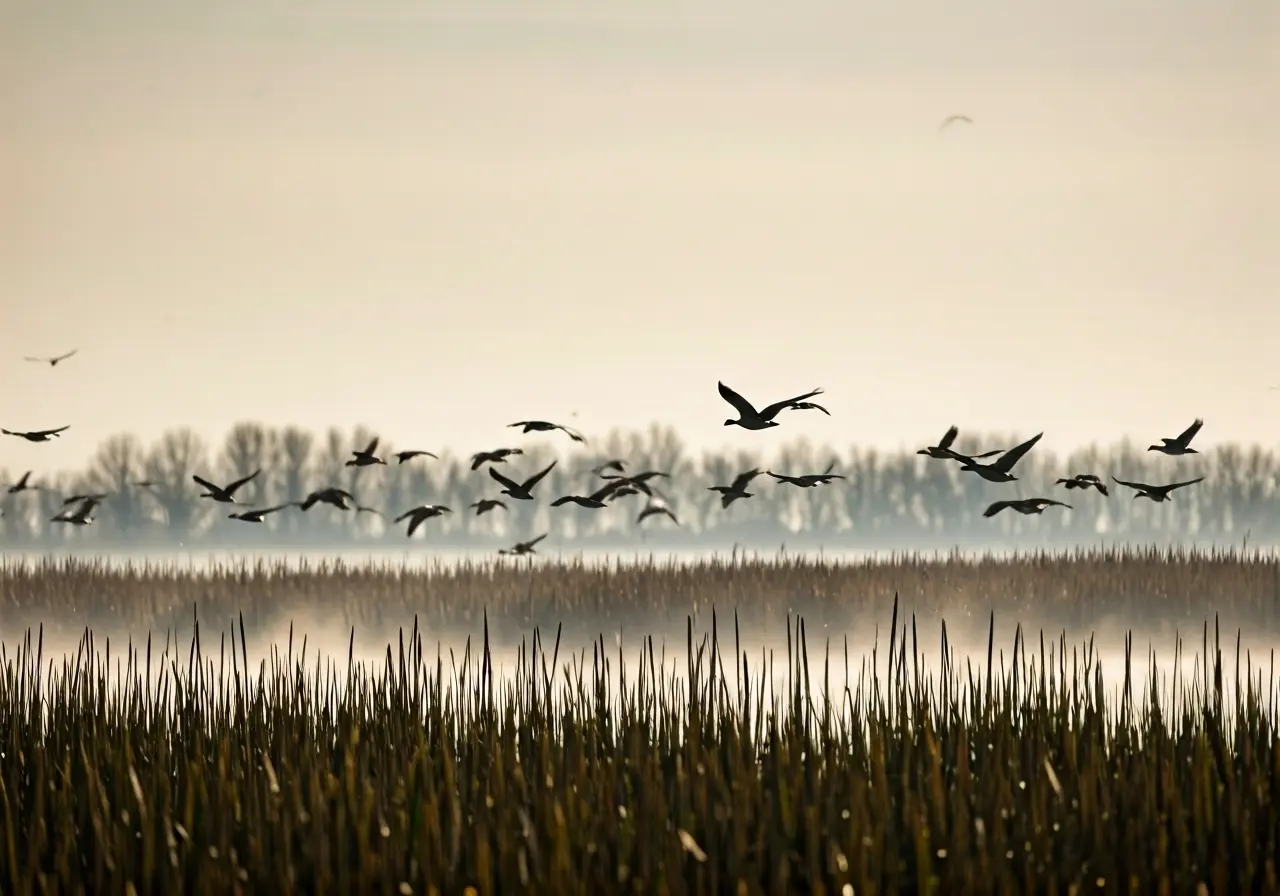
10 Goose Hunting Techniques Every Beginner Should Know
Embarking on the journey of goose hunting can be both exciting and daunting for beginners. Understanding the right techniques is essential to make the most of your hunting experience. This blog is your friendly guide, offering easy-to-follow tips and strategies to help you become a more effective and confident goose hunter.
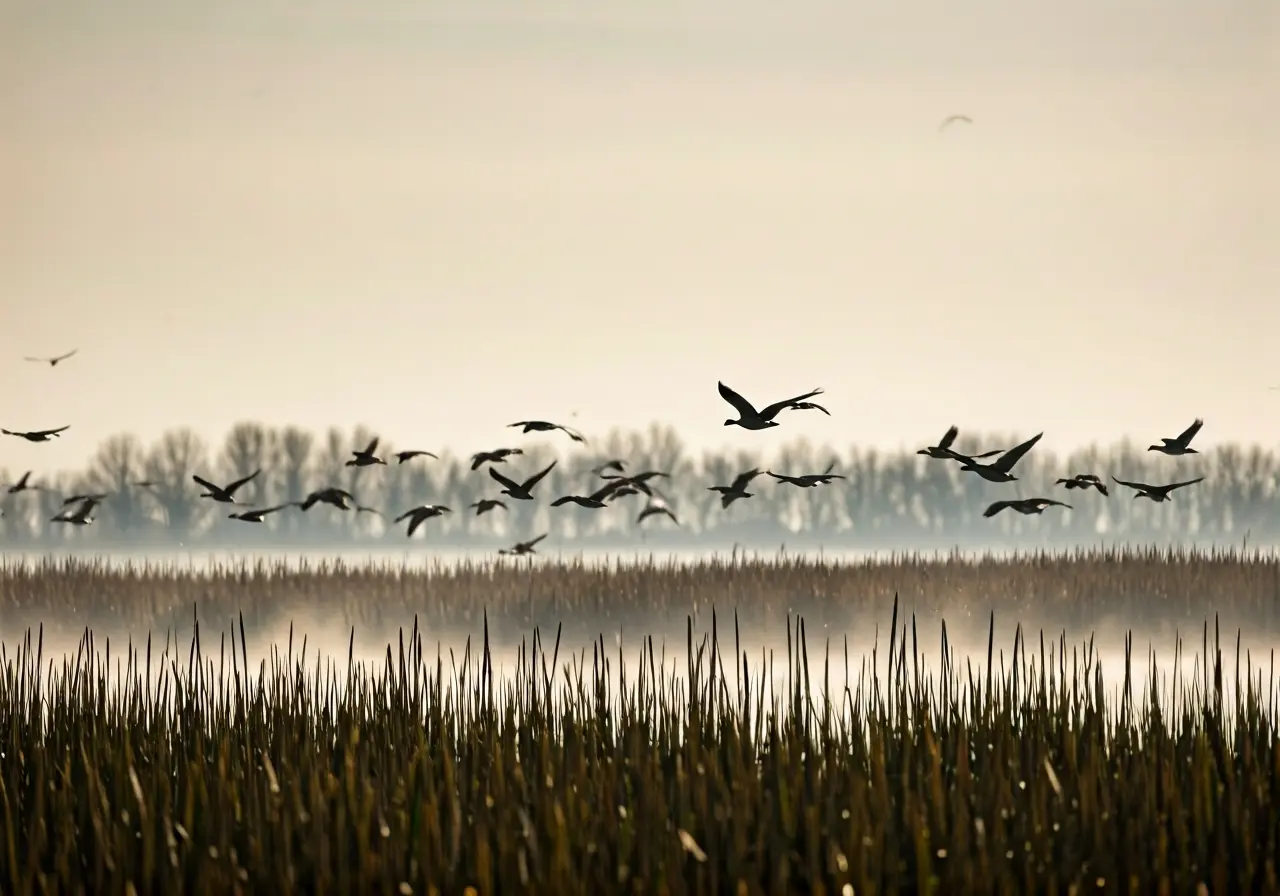
1. Understanding Goose Behavior
One of the foundational elements of successful goose hunting is understanding their behavior. Geese are creatures of habit and often follow predictable patterns which can be leveraged to your advantage. By observing geese in their natural habitat, you can learn about their feeding, resting, and migration habits. For instance, geese prefer open fields adjacent to water bodies for feeding, so setting up your hunting grounds in these locations can prove beneficial. Furthermore, noting the time of day when geese are most active will exponentially increase your chances of a successful hunt.
Another aspect to consider is the social structure of geese, which affects their flight patterns and response to potential dangers. Geese fly in formation, usually in a V-shape, which helps them conserve energy during long migrations. Recognizing these formations and the signals they send to each other about nearby threats can give you the edge in predicting their movements. Understanding the hierarchy and communication within these flocks allows hunters to strategize more effectively, positioning themselves in ways that intercept these natural paths.
2. Choosing the Right Hunting Gear
The appropriate gear makes all the difference. From shotguns to decoys, selecting equipment suited for goose hunting ensures a safer and more effective outing. When choosing a shotgun, opt for one that provides both power and accuracy. A 12-gauge shotgun is often recommended for its versatility and effective range. Additionally, selecting the right ammunition is crucial; steel shot is commonly used due to legal restrictions and its effectiveness in bringing down waterfowl.
Decoys play a pivotal role in luring geese into your hunting area. The types of decoys range from full-body to silhouette and even floating versions for water setups. Investing in high-quality decoys that closely mimic real geese in size and color can significantly increase your success rate. Equipment like calls, blinds, and weather-resistant clothing also contributes to an overall effective hunting experience. Remember to regularly check your gear for wear and tear to maintain its functionality during important hunts.
3. Mastering the Art of Calling
Goose calling is an art form in itself. Learning to mimic their calls can attract them towards your setup, increasing your chances of success. To master goose calling, understanding the different types of calls geese make is critical. Calls such as the basic honk, cluck, and moan are pivotal in deceiving geese into believing there are other geese nearby. By practicing with a goose call whistle, you can develop these sounds accurately over time.
Perfecting your timing and volume while calling is equally important. During calling, less can often be more. Overcalling might alert geese to your presence and scare them away. Listen carefully to incoming flocks and their responses to your calls; adjusting your strategy based on their reactions can fine-tune your approach. By honing this skill, you'll be able to communicate and guide geese into your targeted area more effectively.
4. Perfecting Your Decoy Setup
Decoy placement is crucial in goose hunting. The way you arrange your decoys can either attract or repel geese, so knowing the basics of spacing and positioning is vital. One effective method is the ‘U’ formation, which leaves a landing zone for geese approaching from above. This setup provides an inviting path for landing, simulating a safe area.
Consider varying the types of decoys within your setup. Integrating different poses, such as feeding or resting geese, creates a natural and lifelike scene. Paying attention to environmental factors like wind direction is crucial as well; geese prefer to land and take off into the wind, so setting decoys accordingly makes your area more appealing to them. Regularly observing how geese respond to your setups will help you refine your strategy over time.
5. Scouting Locations
Scouting is about finding the right location where geese naturally feed or rest. Scouting effectively involves monitoring geese patterns and choosing strategic hunting sites. Identifying feeding grounds, such as fields with leftover grains post-harvest, can serve as excellent locations for setting up your hunting site.
Using tools like binoculars during scouting expeditions allows you to observe goose behavior from a distance without disturbing them. This provides insights into their routines and preferred paths, helping you pinpoint optimal locations for hunting expeditions. Additionally, maintaining a journal of these observations can assist in recognizing patterns over time and adapting the hunt strategy accordingly.
6. Understanding Legal Regulations
Every hunter must be aware of the legal regulations surrounding goose hunting, which vary by region and season. Staying informed helps ensure compliance and conservation of wildlife. Regulations determine the types of geese that can be hunted and require hunters to obtain the necessary permits and licenses.
Adhering to set quotas and hunting seasons is crucial for sustainable hunting practices. Various resources and governmental websites provide current information on hunting laws and regulations in your area. By aligning with these legal guidelines, you can maintain ethical hunting practices that contribute to the conservation of goose populations for future generations of hunters.
7. Emphasizing Safety Measures
Safety should always be the top priority. From handling firearms with care to wearing appropriate protective gear, understanding and implementing safety measures is non-negotiable. Before embarking on a hunt, familiarize yourself with safe shooting distances and ensure all gear is thoroughly checked for functionality.
Communication within your hunting group is also vital to ensure safety. Agreeing on clear signals prior to starting the hunt prevents miscommunication that could lead to accidents. Always know the whereabouts of fellow hunters and users of nearby public lands, maintaining safe shooting zones for everyone’s protection.
8. Practice and Patience
Honing your skills in goose hunting requires both practice and patience. Each outing is an opportunity to learn and improve. Document each hunt in a journal to track what strategies worked or failed, helping to refine techniques over time.
Practicing regularly with your gear, such as decoys and calls, enhances your efficiency in setting up quickly and effectively, which is crucial during high-traffic migration periods. Cultivating patience not only enhances the hunting experience but is also invaluable in observing and understanding the natural world around you, enriching your appreciation for the sport.
9. Weather and Timing
Understanding the impact of weather conditions and timing can greatly influence your hunting success. This involves knowing when geese are most active and how weather affects their behavior. Geese are particularly active during overcast conditions, and approaching storms can often lead to more predictable flight patterns.
Optimal hunting times often coincide with the early morning and late afternoon when geese are actively feeding or moving between roosting and feeding areas. Checking weather forecasts and planning hunting trips when atmospheric conditions are favorable will help in maximizing the effectiveness of your outings.
10. Building Camouflage Skills
Effective camouflage is essential for staying concealed from geese. Learning how to blend into your environment can make you less detectable and increase your chances of a successful hunt. Always match your clothing and blind setup to the natural surroundings to avoid being spotted by sharp-eyed geese.
Materials such as grass mats or local foliage can be used to enhance concealment, making your setup indistinguishable from the landscape. Regularly changing your camouflage strategy based on environmental shifts throughout the hunting season ensures your cover remains effective. Paying attention to small details, like shiny objects or exposed skin, can prevent detection and increase the likelihood of successfully luring geese within shooting range.
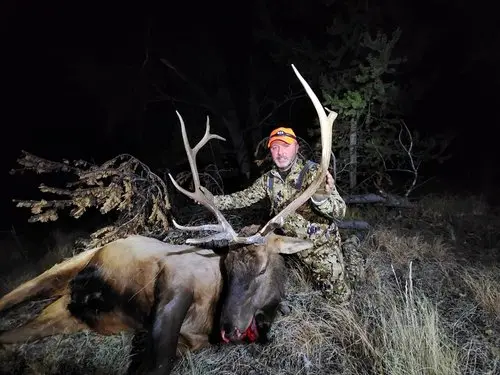
Why Choose Colorado for Your Next Guided Elk Hunt Adventure?
Immerse yourself in the rugged beauty of the Colorado wilderness as you embark on an unforgettable guided elk hunt adventure. From majestic mountains to expansive forests, Colorado offers the perfect backdrop for an exhilarating and rewarding hunting experience. Let's explore the allure of Colorado's elk hunting landscape and the benefits of opting for guided elk hunts.
The Allure of Colorado's Elk Hunting Landscape
Colorado's elk hunting landscape is a tapestry of rugged terrain, pristine forests, and meandering streams that create the perfect habitat for these majestic creatures. The state's diverse ecosystems, ranging from alpine meadows to dense woodlands, offer hunters a variety of environments to explore and test their skills.
One of the main draws of Colorado for elk hunting is its large elk population, providing ample opportunities for a successful hunt. The chance to witness a bugling bull elk at sunrise or track a herd through aspen groves adds a sense of adventure and anticipation to the experience.
In addition to the thrill of the hunt, Colorado's natural beauty acts as a serene backdrop, allowing hunters to immerse themselves in the tranquility of the wilderness. From snow-capped peaks to crystal-clear lakes, the landscape evokes a sense of awe and wonder that enhances the overall hunting experience.
Colorado's elk hunting season also aligns with the elk rut, a period of increased activity and vocalization among elk herds. This presents hunters with a unique opportunity to witness these magnificent animals in their natural element, adding a layer of excitement and authenticity to the hunt.
Whether you're a novice looking to experience your first elk hunt or a seasoned hunter seeking a new challenge, Colorado's elk hunting landscape offers something for everyone. The combination of picturesque scenery, abundant wildlife, and thrilling hunts makes Colorado a top choice for elk hunting enthusiasts.
Benefits of Opting for Guided Elk Hunts
Choosing a guided elk hunt in Colorado offers a range of benefits that enhance the overall hunting experience. Experienced guides bring extensive knowledge of the local terrain and elk behavior, increasing the chances of a successful and rewarding hunt.
Guided elk hunts provide access to exclusive hunting grounds and prime elk habitats that may be challenging to navigate independently. Guides can lead hunters to optimal locations based on elk movements, ensuring a more efficient and productive hunt.
Safety is a paramount concern in the wilderness, and guided elk hunts prioritize the well-being of hunters by implementing proven safety measures and protocols. Guides are trained in first aid and wilderness survival, offering peace of mind to hunters throughout the expedition.
Moreover, guided elk hunts offer valuable learning opportunities for hunters of all levels. Guides share insights on elk behavior, tracking techniques, and conservation practices, enriching the hunting experience and fostering a deeper appreciation for wildlife and nature.
Beyond the practical advantages, guided elk hunts in Colorado provide a sense of camaraderie and shared adventure among fellow hunters. Bonding over a mutual passion for the outdoors and the thrill of the hunt creates lasting memories and friendships that extend beyond the expedition.
Whether you're a seasoned hunter or new to the thrill of the chase, Colorado's guided elk hunts promise excitement, challenge, and the opportunity to connect with nature in a profound way. Choose Colorado for your next hunting expedition and let the spirit of the wild lead you on an adventure of a lifetime.

The Ultimate Guide to Navigating Colorado Duck Season
Dive into the mesmerizing world of Colorado duck season where preparation and strategy are key to a successful hunt. Discover the secrets behind understanding the nuances of duck migration patterns, preparing your gear to perfection, exploring the best hunting spots in the region, staying updated on regulations and licensing, and uncovering valuable tips for an unforgettable hunting experience.

Understanding Colorado Duck Migration Patterns
When delving into the realm of Colorado duck hunting, understanding the intricate migration patterns of these majestic birds is crucial. The state's diverse landscape plays a significant role in attracting a variety of duck species during different times of the year. By studying the migration routes, stopover points, and timing of arrivals and departures, hunters can strategically position themselves for a successful hunting season.
As the seasons change and temperatures drop, ducks instinctively begin their journey southward, seeking warmer climates and abundant food sources. Observing their behavior and adapting to their movements can give hunters a competitive edge in anticipating their presence in specific regions of Colorado.
Factors such as local weather conditions, water availability, and food availability all influence the migratory patterns of ducks in Colorado. By staying informed about these dynamics, hunters can plan their outings effectively and increase their chances of encountering significant flocks of ducks throughout the season.
From the mesmerizing sight of ducks flying in formation to the melodic calls that resonate through the air, observing migration patterns can provide a deeper connection to the natural rhythms of Colorado's duck season. Enhance your hunting experience by immersing yourself in the captivating world of duck migration.
Preparing Your Gear for the Colorado Duck Season
Ensuring that your gear is in optimal condition is essential for a successful Colorado duck hunting excursion. From shotguns and decoys to camouflage attire and blinds, each piece of equipment plays a crucial role in enhancing your hunting endeavors. Prior to the season, meticulously inspect and maintain your gear to avoid any last-minute surprises during your hunting trips.
Understanding the specific requirements of Colorado's terrain and weather conditions is key to selecting the right gear for the job. Waterproof clothing, durable footwear, and reliable communication devices are among the essentials that can make a difference in challenging hunting environments. Equip yourself with the necessary tools to handle varying scenarios in the field.
Moreover, familiarizing yourself with the functionalities of your gear and practicing essential hunting techniques can boost your confidence and efficiency during hunts. Whether it's setting up decoys with precision or mastering the art of concealment, honing your skills prior to the season can elevate your overall hunting experience in Colorado.
Remember, preparedness is the key to unlocking a rewarding duck hunting season in Colorado. By investing time and effort in gearing up appropriately, you set the stage for immersive and successful hunting outings amidst the stunning natural landscapes of the state.
Exploring the Best Duck Hunting Spots in Colorado
In Colorado, a treasure trove of diverse hunting spots awaits avid duck hunters, each offering unique challenges and rewards. From sprawling wetlands and serene lakes to meandering rivers and hidden marshes, the state boasts an array of habitats that appeal to different duck species throughout the season.
Researching and scouting potential hunting locations in advance can significantly enhance your chances of encountering waterfowl in their natural habitats. By identifying hotspots known for attracting ducks, you can strategically plan your hunting trips to maximize success and create unforgettable memories in the wilderness.
Whether you prefer the solitude of remote marshlands or the bustling activity of prime waterfowl areas, Colorado's diverse landscapes cater to a wide range of hunting preferences. Venturing into lesser-known territories can often lead to hidden gems where duck populations thrive, providing hunters with exceptional opportunities for fruitful and fulfilling hunts.
As you navigate the picturesque hunting grounds of Colorado, immerse yourself in the beauty of the surrounding scenery and embrace the thrill of the chase. Each hunting spot holds its own allure and challenges, inviting hunters to explore and appreciate the wonders of nature while pursuing their passion for duck hunting.
Regulations and Licensing for Colorado Duck Hunters
Compliance with regulations and licensing requirements is fundamental for duck hunters in Colorado to ensure ethical and sustainable hunting practices. Familiarize yourself with the state's wildlife regulations, bag limits, hunting seasons, and licensing procedures to engage in legal and responsible hunting activities.
Obtaining the necessary permits and adhering to established guidelines not only promotes conservation efforts but also contributes to the preservation of waterfowl populations in Colorado. Stay informed about any changes in regulations and act in accordance with ethical hunting standards to support the longevity of duck hunting traditions in the state.
Educational resources and state-specific information are readily available to assist hunters in understanding and complying with Colorado's hunting laws. By staying updated on regulatory updates and participating in hunter education programs, you can contribute to the sustainability of wildlife habitats and the protection of migratory bird species in the region.
Respect for wildlife, adherence to hunting regulations, and a commitment to conservation form the pillars of responsible duck hunting in Colorado. Embrace these principles as you embark on your hunting journeys, and play a part in preserving the natural heritage and ecological balance of Colorado's diverse landscapes.
Tips for a Successful Colorado Duck Hunting Trip
Embarking on a successful duck hunting trip in Colorado requires a combination of skill, strategy, and patience. To enhance your hunting experience and increase your chances of a fruitful outing, consider implementing a few key tips and techniques tailored to the unique challenges of the region.
Timing plays a critical role in duck hunting success, so pay attention to the weather patterns, migration schedules, and feeding behaviors of waterfowl in Colorado. Planning your hunts during peak migration periods and optimizing your decoy spreads can attract ducks effectively and improve your shot opportunities.
Adapting to changing conditions and remaining flexible in your hunting approach can be advantageous when faced with unexpected challenges or variations in duck behavior. By staying attuned to the natural rhythms of the season and adjusting your strategies accordingly, you can adapt to dynamic hunting environments and capitalize on emerging opportunities.
Collaborating with fellow hunters, sharing insights, and learning from experienced individuals can broaden your knowledge and enrich your hunting outings in Colorado. Building a community of like-minded enthusiasts can enhance the camaraderie of the hunting experience and create lasting memories in the great outdoors.
Above all, cherish the moments spent in nature, appreciate the beauty of Colorado's landscapes, and savor the thrill of the hunt. Whether you're a seasoned hunter or a novice enthusiast, each duck hunting trip offers a unique opportunity to connect with the wilderness, test your skills, and immerse yourself in the captivating world of Colorado duck season.
Embrace the Colorado Duck Season Experience
As you embark on your Colorado duck hunting adventure, remember that the essence of the season lies in the thrill of the chase, the beauty of nature, and the camaraderie shared with fellow hunters. Utilize the knowledge gained from this guide to enrich your hunting escapades and make the most out of each duck season you partake in. Colorado duck season is a celebration of nature's wonders, and may your hunting endeavors be filled with excitement, success, and memorable moments.

What to Expect on Your First Guided Duck Hunt

Introduction to the Exciting World of Guided Duck Hunts
Imagine the crisp morning air, the distant sound of ducks quacking, and the thrill of not knowing what each new day on the marsh will bring. This is the world of guided duck hunts – a realm where nature's beauty meets the excitement of the chase. Whether you are a seasoned hunter or taking your first shot, guided duck hunts offer an unparalleled experience that brings you closer to the heart of waterfowling.
Stepping into this world opens up a realm of possibilities, from learning about different waterfowl species to honing your shooting skills. Your first guided duck hunt is not just about the harvest but about immersing yourself in nature and the traditions that hunters have cherished for generations.
In this guide, we will walk you through what to expect on your first guided duck hunt, from selecting the best location to understanding the equipment needed, meeting your guide, exploring hunting techniques, and savoring the rewards of your successful hunt. So grab your gear, and let's embark on an unforgettable journey into the world of waterfowl hunting!
Selecting the Perfect Guided Duck Hunt Location
Choosing the right location for your guided duck hunt is crucial to the overall experience. Each hunting destination has its unique landscape, species of ducks, and hunting regulations. Whether you prefer the vast marshlands or the tranquility of a secluded pond, the location sets the stage for your adventure and greatly influences the type of waterfowl you'll encounter.
As you research potential locations, consider factors such as the abundance of duck populations, the availability of amenities, and the expertise of the guides in the area. Talking to fellow hunters or checking online reviews can provide valuable insights into the best places to fulfill your waterfowling dreams.
Keep in mind that each location offers a different hunting experience, so take the time to find a spot that resonates with your hunting style and expectations. Whether you seek the challenge of open water hunting or the tranquility of a hidden marsh, the perfect guided duck hunt location is out there, waiting to be discovered.
Understanding the Equipment for Your Duck Hunting Adventure
Preparing for your first guided duck hunt involves more than just grabbing your shotgun and heading out to the blind. Understanding the equipment essential for a successful hunt is key to maximizing your hunting experience. From decoys and calls to proper clothing and ammunition, having the right gear can make all the difference in the field.
Your waterfowl guide will likely provide information on the specific gear required for the hunt, but it's essential to familiarize yourself with the basics beforehand. Knowing how to set up decoys effectively, use duck calls to lure in birds, and stay camouflaged are skills that can greatly improve your chances of a successful hunt.
Don't underestimate the importance of having quality gear that is well-maintained and suited to the conditions you'll be hunting in. Whether it's a chilly morning on the marsh or a sunny day by the pond, having the right equipment ensures that you're prepared for whatever mother nature throws your way. So load up your gear bag with the essentials and get ready for an adventure like no other!
Meeting Your Experienced Waterfowl Guide
One of the highlights of embarking on a guided duck hunt is the opportunity to meet and learn from experienced waterfowl guides. These knowledgeable individuals are seasoned hunters who know the ins and outs of the areas they operate in, the behavior of different duck species, and the best strategies for a successful hunt.
Your guide will not only lead you to prime hunting spots but will also share their expertise, helping you enhance your hunting skills and appreciation for the sport. They are there to ensure your safety, provide valuable insights, and make your hunting experience both educational and enjoyable.
Building a good rapport with your guide can enrich your overall experience and leave you with lifelong memories. Take the opportunity to ask questions, learn new techniques, and soak in the wisdom that only comes from years of hunting waterfowl. With a skilled guide by your side, you're not just on a hunt – you're on a learning adventure in the great outdoors.
Exploring Duck Hunting Techniques and Strategies
Duck hunting is a blend of art, science, and skill that requires patience, precision, and a deep understanding of waterfowl behavior. As you delve into the world of guided duck hunts, you'll uncover a treasure trove of techniques and strategies used by seasoned hunters to outwit these clever birds.
From mastering the art of concealment to reading duck behavior, each technique plays a crucial role in the success of your hunt. Understanding how to position decoys, call in ducks effectively, and adapt to changing weather conditions are skills that come with practice and experience.
Your guide will impart valuable knowledge on these techniques, but there's no substitute for hands-on experience in the field. Embrace each hunt as an opportunity to refine your skills, learn from your successes and failures, and deepen your connection with the rich tradition of duck hunting.
The Thrill of the Hunt: Tracking and Shooting Ducks
As you set out on your guided duck hunt, the adrenaline rush of tracking and shooting ducks is an experience like no other. The thrill of seeing ducks in flight, working your decoys, and finally taking your shot is a moment that every waterfowl hunter cherishes.
Tracking ducks requires keen observation, quick thinking, and precise marksmanship. Whether you're pass-shooting on a flyway or calling in ducks to a decoy spread, each moment of the hunt presents a new challenge and an opportunity to test your skills against the wily nature of waterfowl.
The satisfaction of a well-placed shot and the sight of a retrieved duck are moments of triumph that celebrate the culmination of your efforts. Each successful shot is a tribute to your training, patience, and reverence for the wild – a moment that connects you to the timeless heritage of waterfowl hunting.
After the Shot: Retrieving and Handling Your Harvest
After the excitement of the shot comes the crucial task of retrieving and handling your harvest responsibly. It's essential to follow ethical practices in retrieving downed birds, ensuring a quick and humane end to the hunt for the ducks you've pursued.
Your guide will provide guidance on proper retrieval techniques, including using trained retrievers or fetching the ducks yourself. Respecting the game you've taken is a fundamental aspect of hunting, and handling your harvest with care is a mark of a responsible hunter.
From field dressing your ducks to preparing them for the journey home, each step of handling your harvest is an opportunity to show respect for the animals and the environment. Embrace these moments as a reflection of your commitment to conservation and sustainable hunting practices.
Enjoying the Bounty: Cooking and Recipes for Duck Dishes
The culmination of your guided duck hunt extends beyond the thrill of the chase – it's in savoring the bounty of your harvest through delicious duck dishes. Duck meat is prized for its rich flavor and versatility in the kitchen, offering a range of culinary possibilities for the avid hunter.
Exploring different cooking methods, recipes, and flavors can elevate your dining experience and introduce you to new culinary traditions. Whether you prefer a classic roast duck, a savory confit, or a flavorful stir-fry, cooking with duck allows you to savor the fruits of your labor in a delectable way.
From sharing meals with family and friends to experimenting with gourmet preparations, cooking with duck is a rewarding way to extend the joy of your guided hunt. So dust off your favorite recipes, fire up the stove, and let the culinary journey begin as you relish the flavors of your successful duck hunt.
Experience the Thrill: Waterfowl Season in Colorado
Waterfowl season in Colorado offers an exciting opportunity for both seasoned hunters and beginners alike. As temperatures drop and the landscape transforms, lakes, rivers, and wetlands across the state come alive with migratory birds. In this blog, we'll explore the best spots to witness these magnificent creatures, share tips for a successful hunt, and highlight the unique experiences that make waterfowl season so special in Colorado.

Understanding Waterfowl Migration
Waterfowl migration is a fascinating phenomenon driven by environmental changes and instinctual behavior. Each year, these incredible birds travel thousands of miles to find suitable habitats for breeding and nesting. They typically migrate during the fall and spring, following specific routes known as flyways. The Central Flyway, notably, runs right through Colorado, providing a critical corridor for various waterfowl species. During migration, many factors influence their travel, including weather conditions, food availability, and habitat status. By grasping the basics of waterfowl migration, hunters can better predict when and where to hunt effectively.
Notably, species like ducks and geese exhibit distinctive migration patterns. For instance, the northern pintail, a popular target among hunters, tends to arrive in Colorado with the first cold fronts of late fall. Understanding these patterns not only enhances your hunting strategy but also connects you to the natural world around you. The sight of thousands of birds taking flight en masse can be mesmerizing, reminding us of the intricate ecosystem we are a part of. A deeper awareness of these migratory behaviors can foster both appreciation and respect for these incredible creatures, enriching your experience during waterfowl season.
Top Locations for Waterfowl Hunting in Colorado
When it comes to hunting locations, Colorado boasts a variety of lakes, rivers, and wetlands that attract waterfowl in droves. One standout is the Monte Vista National Wildlife Refuge, which provides a sanctuary for many migratory species. Here, hunters can experience the thrill of being surrounded by nature while pursuing their passion. The vast open space allows for easy spotting of waterfowl, making this location a don’t-miss for serious hunters.
Other notable spots include the Cherry Creek Reservoir and the Brighton State Wildlife Area. Cherry Creek offers a perfect mix of accessibility and abundant wildlife, making it a favorite among local hunters. On weekends, you’ll see the excitement as hunters eagerly await the sunrise, ready to greet the incoming flocks. Brighton, on the other hand, has more secluded areas, providing those seeking solitude the chance to immerse themselves fully in Colorado’s beauty.
Lastly, don’t overlook the sectors around the Arkansas River. The river consistently attracts various species, creating a dynamic hunting environment. Each of these locations offers unique experiences and challenges, contributing to the excitement of waterfowl season in Colorado. Whether you prefer busy, action-packed areas or quiet corners to reflect, there’s a spot for everyone, ensuring that each hunting trip is memorable.
Essential Gear for a Successful Hunt
Preparing for a successful waterfowl hunt requires the right gear, each piece having its role in enhancing the experience. A good shotgun is undoubtedly the quintessential element. Look for a reliable, durable model, preferably 12 or 20 gauge, which is effective for various waterfowl species. Alongside your shotgun, don’t forget high-quality ammunition specially designed for waterfowl, as this can significantly increase your chances of a clean shot.
Beyond firearms, one of the most critical items is camouflage clothing. Blending into your surroundings is vital for successful hunting, and investing in quality camo designed for wet conditions will enhance your stealth. Additionally, insulated waders are essential for staying comfortable during your hunt, especially in chilly waters. They allow for mobility and protection, making it easier to navigate wetlands while keeping you dry.
Furthermore, decoys play a pivotal role in attracting waterfowl. Having an assortment of realistic decoys can significantly improve your success rate. Set them up in lifelike arrangements to create an appealing scene for passing birds. It's also wise to carry a field tote to keep your gear organized and easy to access. Overall, the right equipment can transform a good hunting trip into a great adventure in the vastness of Colorado's stunning landscapes.
Techniques to Attract and Identify Waterfowl
Attracting waterfowl requires a combination of skill and knowledge. First and foremost, utilizing calls effectively is crucial. Mastering duck calls and goose calls can mean the difference between a fruitful hunt and an empty harvest. Each species has its unique sounds, and replicating these can draw them closer to your location. Practice makes perfect, so consider investing time into honing your calling skills before the season begins.
Identifying species is another significant aspect of the hunting experience. Familiarize yourself with various waterfowl types found in Colorado, including mallards, gadwalls, and various geese species. Each has distinctive markings and behaviors that can help differentiate them in the field. Taking the time to learn these differences will not only improve your hunting effectiveness but also enhance your appreciation for these beautiful birds and their habitat.
Additionally, setting up your decoys strategically is key in tricking waterfowl into landing nearby. Observe patterns in flight and adjust your setup accordingly; simple changes can yield remarkable results. Combining these techniques—calling, identifying, and strategically placing decoys—will create an ideal environment for a successful hunting outing during waterfowl season. Emphasizing the importance of patience and adaptability will undoubtedly elevate your experience.
Safety Tips for Hunting in Colorado
Safety should always be a top priority during your hunting excursions. First and foremost, familiarize yourself with state regulations regarding waterfowl hunting. Colorado has specific laws that are essential to follow to ensure a safe and enjoyable experience. From understanding hunting seasons to acquiring the necessary licenses, being informed will help you avoid any issues.
Always wear appropriate safety gear, such as life jackets when hunting from a boat or while wading in waterways. It’s crucial to account for your surroundings and make decisions that prioritize your well-being and that of your hunting partners. A loud, clear whistle can also act as a reliable communication tool when hunting in teams, especially in areas with dense vegetation or poor visibility.
Moreover, remain aware of your environment. Mistaking other wildlife for waterfowl is a risk, so always keep a keen eye and be patient before taking your shot. Respect fellow outdoor enthusiasts by maintaining distance and being conscientious of noise levels. Lastly, having a basic first-aid kit on hand is always a wise precaution. These safety tips help ensure that your hunting experience during the waterfowl season is not just successful, but safe and enjoyable.
Making the Most of Your Waterfowl Experience
To truly make the most of your waterfowl hunting experience, it begins with preparation. Before heading out into the field, take time to research the conditions, including weather forecasts and migration reports. Each detail contributes to your hunting success. Keeping a journal of observations and outcomes during the season can build a comprehensive understanding of local patterns and conditions over time.
Engaging with fellow hunters can also enhance your experience. Discussions about strategies, gear, and local hotspots often yield valuable insights. Connecting with an experienced mentor may lead to learning new techniques that can refine your skills. Additionally, don't shy away from participating in community events or waterfowl conservation programs; the connections you make can greatly enrich your level of understanding and enjoyment of the sport.
Finally, take time to appreciate the surroundings. Waterfowl hunting isn’t just about the hunt; it’s about soaking in the stunning beauty of Colorado’s landscapes. Whether it’s the sunrise casting an orange glow over the wetlands or the serene sound of waterfowl gliding in for landing, these moments foster a connection with nature that transcends the act of hunting. Embracing these aspects ensures that your waterfowl season adventure is unforgettable, filled with stories and experiences that create lasting memories.
Embrace the Waterfowl Experience
Waterfowl season in Colorado is not just about hunting; it’s an adventure filled with scenic views, camaraderie, and a profound connection to nature. Whether you’re an experienced hunter or just starting, the thrill of witnessing the migration and participating in this age-old tradition is unforgettable. Embrace the chance to explore Colorado's beautiful landscapes and create lasting memories with friends and family.

From Novice to Expert: How Guided Elk Hunts Can Enhance Your Hunting Skills

Embarking on Your Hunting Skills Journey
Embarking on a journey to improve your hunting skills is an exciting and rewarding endeavor. Whether you are new to hunting or looking to enhance your expertise, the path from novice to expert is filled with new experiences and challenges. Learning the art of elk hunting, in particular, can be both exhilarating and humbling as you navigate through the vast landscapes in pursuit of these majestic creatures. Each step you take towards mastery brings you closer to understanding the intricate balance between hunter and prey.
The first time you set foot in the wilderness with your hunting gear, there is a sense of anticipation and eagerness that drives you forward. As a novice, every sight and sound in the wilderness feels heightened, and every encounter with wildlife is a learning opportunity. The initial stages of your hunting journey are marked by a thirst for knowledge and a willingness to absorb every lesson nature has to offer. These early moments lay the foundation for the skills you will develop and hone along the way.
Exploring the nuances of elk hunting requires patience, observation, and a deep respect for the natural world. As you progress from a beginner to an intermediate hunter, you begin to understand the importance of strategy, stealth, and skill in tracking and approaching elk. Each outing presents a chance to refine your techniques, adapt to different terrains, and learn from both successes and setbacks. The evolution from novice to intermediate marks a significant shift in your hunting mindset, as you start to think more like the prey you are pursuing.
Transitioning from an intermediate hunter to an expert is a journey of dedication, perseverance, and continuous learning. Expert elk hunters possess a wealth of experience, honed instincts, and a deep understanding of elk behavior. Their ability to read the land, interpret animal signs, and anticipate movements sets them apart in the hunting world. Becoming an expert requires not only skill with a weapon but also a profound connection to the environment and its inhabitants. Each successful hunt is a testament to the mastery achieved through years of practice and observation.
The Benefits of Guided Elk Hunts
Participating in guided elk hunts offers a wealth of advantages for hunters of all skill levels. The expertise and guidance provided by seasoned professionals can significantly enhance your hunting skills and overall experience in the wilderness. One of the key benefits of guided hunts is the opportunity to learn from experienced guides who possess intimate knowledge of elk habitats, behaviors, and migration patterns. Their insights not only increase your chances of a successful hunt but also deepen your understanding of the elk ecosystem.
Guided elk hunts also provide a valuable learning environment where hunters can observe and absorb techniques used by experts in the field. From tracking methods to calling strategies, guided hunts offer a hands-on approach to skill development that is unparalleled. The feedback and guidance received during these hunts can help hunters identify areas for improvement and refine their hunting tactics for future excursions. Additionally, the camaraderie and shared experiences that come from guided hunts create lasting memories and connections within the hunting community.
Another significant benefit of guided elk hunts is the access to prime hunting locations and exclusive areas that may be challenging to discover on your own. Guides often bring hunters to secluded spots with high elk populations, increasing the likelihood of a successful and rewarding hunt. The opportunity to explore new territories and diverse landscapes under the guidance of experienced professionals adds a thrilling dimension to the hunting experience. Guided hunts open doors to adventures that may have been beyond reach for solo hunters, expanding horizons and broadening perspectives.
Mastering Techniques Through Expert Guidance
Mastering the art of elk hunting requires a combination of skill, strategy, and intuition honed through years of practice. Expert guidance plays a crucial role in accelerating this mastery by providing hunters with valuable insights and techniques that have been proven effective in the field. Learning from seasoned experts allows hunters to adopt best practices, refine their approach to hunting, and cultivate a deeper appreciation for the natural world around them. The transfer of knowledge from mentor to mentee forms a bridge that spans generations of hunters, preserving traditional skills and wisdom.
Expert guidance not only enhances technical skills but also instills a sense of ethics and responsibility in hunters. By observing experienced guides in action, hunters learn the importance of conservation, sustainable hunting practices, and respect for wildlife. These core principles form the foundation of responsible hunting and contribute to the preservation of natural habitats and species. Through expert guidance, hunters not only improve their craft but also become stewards of the land, advocating for the sustainable management of wildlife populations and ecosystems.
Understanding Elk Behavior for Successful Hunts
Elk behavior is a fascinating and complex subject that holds the key to successful hunts in the wilderness. Understanding the natural behaviors, habits, and communication methods of elk is essential for hunters aiming to outwit these elusive creatures. From feeding patterns to rutting behaviors, elk exhibit a range of behaviors that can be deciphered through careful observation and experience. Seasoned hunters who have mastered the art of elk hunting possess a deep understanding of elk behavior, allowing them to anticipate movements, interpret signals, and strategize their approach for a higher chance of success.
By studying elk behavior, hunters can gain valuable insights into the best times and locations to encounter elk during different seasons. Understanding how elk respond to changes in weather, food availability, and mating cycles can give hunters a strategic advantage in planning their hunts. The ability to read elk behavior allows hunters to make informed decisions in the field, increasing their opportunities for successful encounters. Knowledge of elk behavior not only improves hunting efficiency but also deepens the connection between hunter and prey, fostering a sense of respect and admiration for these majestic animals.
Utilizing Technology in Modern Elk Hunting
In the modern era of hunting, technology plays a significant role in enhancing the hunting experience and improving success rates in the field. From advanced GPS devices to cutting-edge hunting apps, technology offers hunters a wide range of tools to aid in navigation, scouting, and tracking during elk hunts. The use of trail cameras, drones, and other technological innovations has revolutionized the way hunters gather information about elk habitats, movement patterns, and behavior, providing valuable data for planning successful hunts.
Technology not only simplifies the logistical aspects of hunting but also contributes to conservation efforts and wildlife management. By leveraging technology to monitor elk populations, track migration patterns, and assess habitat conditions, hunters can contribute vital data to conservation organizations and researchers. The integration of technology in modern elk hunting represents a harmonious blend of tradition and innovation, where timeless hunting skills are complemented by cutting-edge tools for a more efficient and sustainable hunting experience.
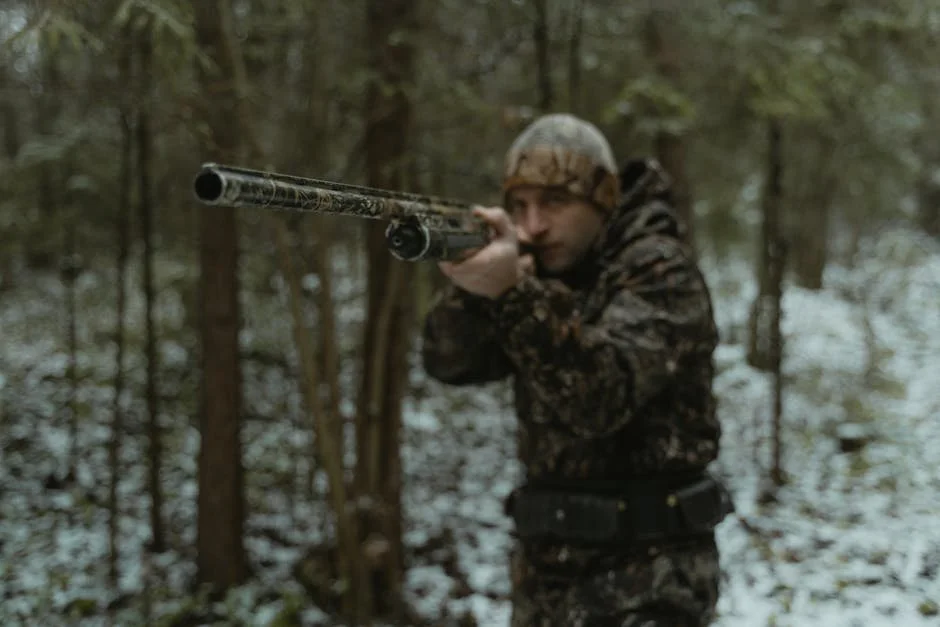
Veteran Hunting Trips: Bridging the Gap Between Service and Nature
Embarking on hunting trips serves as a poignant bridge linking the profound sense of duty ingrained in military service with the tranquil embrace of nature's wilderness. Join us as we delve into how these excursions offer veterans a unique opportunity to reconnect with their past experiences while forging new memories amid the beauty of the great outdoors.
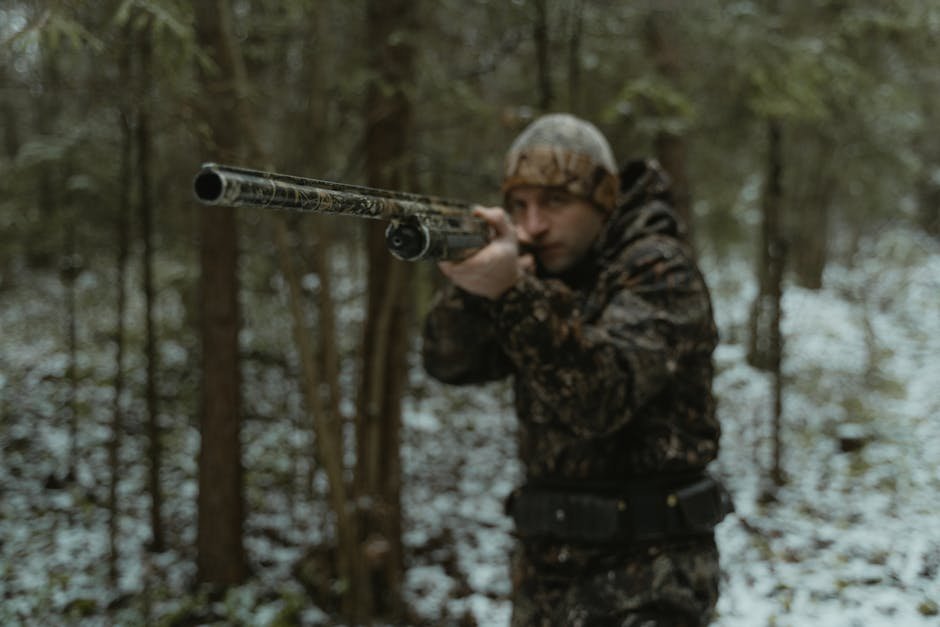
Honoring service through outdoor adventures
Veterans embarking on hunting trips find solace in the familiar yet ever-changing landscape of the wilderness. The echoes of past missions blend seamlessly with the chirping of birds and rustling of leaves, creating a tapestry of memories interwoven with the present.
Amidst the rugged terrain, camaraderie amongst veterans blossoms anew. Shared experiences of military life converge with the thrill of the hunt, uniting individuals through a deep understanding of the complexities of service and sacrifice.
Each shot fired is a reminder of the marksmanship skills honed on the field of duty, a symbolic link between the past battlegrounds and the current pursuit of game. In these moments, the respect for nature and the obligations of service intertwine, driving a profound sense of reverence for both.
As they traverse the vast expanses of untamed landscapes, veterans find echoes of their resilience mirrored in the untamed wilderness. The challenges of hunting mirror the obstacles overcome during their time in service, fostering a deep sense of accomplishment and pride in their capabilities.
The therapeutic benefits of hunting for veterans
The therapeutic allure of hunting lies not only in the thrill of the chase but also in the tranquility of nature's embrace. Veterans find respite in the stillness of the forest, where the cacophony of memories is replaced by the soothing sounds of the great outdoors.
The act of tracking prey becomes a form of meditation, guiding veterans to focus their minds on the present moment and the subtle signs of nature around them. In this way, hunting serves as a mindful practice, grounding individuals in the here and now.
Through hunting, veterans navigate a realm where instinct and strategy intertwine, mirroring the nuanced decisions made in the field of combat. This melding of skillsets offers a sense of empowerment and agency, rekindling a deep-seated connection to their innate capabilities.
The rhythmic cadence of the hunt echoes the structured routines of military life, offering a sense of familiarity amidst the unknown terrain. Veterans find comfort in the strategic maneuvers required for a successful hunt, translating their training into a new form of engagement with the natural world.
In the shared pursuit of game, veterans discover a renewed sense of purpose and camaraderie, reinforcing bonds forged in the crucible of service. The collaborative effort to track and take down prey mirrors the coordinated efforts required in military missions, fostering a sense of unity and mutual respect.
Creating camaraderie in the wilderness
The wilderness serves as a backdrop for the rekindling of friendships forged in the fires of adversity. Veterans find solace in the shared experiences of hunting expeditions, where tales of valor and vulnerability are woven together amidst the crackle of campfires.
In the heart of nature's embrace, laughter mingles with the crack of twigs underfoot, creating a symphony of camaraderie that transcends words. The unspoken bonds between fellow hunters provide a sense of understanding and acceptance, nurturing a sense of belonging and connection.
Through the shared pursuit of game, veterans revive the spirit of teamwork and cooperation that defined their time in service. The reliance on each other's skills and instincts mirrors the interdependence cultivated in military units, fostering a sense of unity and mutual support.
Preserving the bond between soldier and nature
In the vast expanse of the wilderness, veterans find a reflection of their resilience and adaptability honed through military training. The ever-changing terrain becomes a canvas for testing their skills and pushing the boundaries of their endurance.
The symbiotic relationship between soldier and nature is reaffirmed as veterans navigate the challenges of the hunt. Each step taken is a tribute to the bond forged between individual and environment, a testament to the deep-seated connection between warrior and wild.
As they traverse the untamed landscapes, veterans find echoes of their inner strength mirrored in the rugged terrain. The raw beauty of nature serves as a reminder of their own resilience, fostering a deep sense of reverence for the interconnectedness of all living beings.
Reflecting on Resilience
In honoring the legacy of our veterans through hunting escapades, we witness a harmonious fusion of service, camaraderie, and nature. The bond formed between soldiers and the wilderness stands as a testament to the healing power of reconnecting with the environment and fellow comrades-in-arms. Through these ventures, a profound sense of peace and purpose is rediscovered, enriching the lives of those who have dedicated themselves to serving their country.