
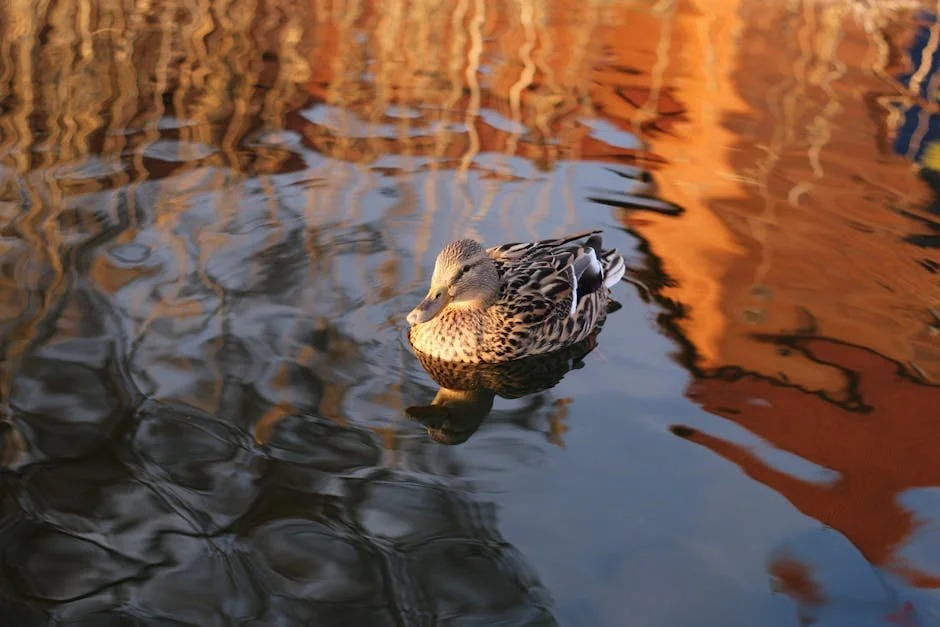
Preparing for Success: Tips for Colorado Duck Season
As the crisp autumn air settles over the stunning landscapes of Colorado, it's time to gear up for an exhilarating Colorado duck season. From understanding the regulations to mastering duck calling techniques, this guide is your key to a successful and fulfilling hunting season amidst the natural beauty of the state. Join us on this journey as we explore essential gear, insider tips, and tricks to make the most of your Colorado duck hunting experience.

Understanding the Colorado Duck Season Regulations
Before embarking on your Colorado duck hunting adventure, it's crucial to familiarize yourself with the state's regulations. Colorado offers a diverse range of waterfowl species for hunters, each with specific hunting seasons, bag limits, and weapon regulations. Stay informed about the hunting zones, permitted hunting hours, and required licenses or permits. By adhering to the regulations, you ensure a sustainable and ethical hunting experience that respects the environment and wildlife of Colorado.
Additionally, understanding the conservation efforts in place for waterfowl populations will enhance your appreciation for the sport. Colorado's wildlife management practices aim to maintain healthy duck populations for future generations of hunters. By knowing and following the regulations, you contribute to the preservation of the natural ecosystems that support these magnificent birds.
Furthermore, familiarize yourself with the specific species of ducks that frequent Colorado during the hunting season. Recognizing their habits, preferred habitats, and migration patterns can significantly increase your chances of a successful hunt. Stay updated on any changes to the regulations to ensure compliance and make the most of your Colorado duck hunting experience.
Essential Gear for a Successful Duck Hunting Season
Investing in the right gear is essential for a fruitful Colorado duck hunting season. Start by selecting a reliable shotgun that is suitable for waterfowl hunting, considering factors such as gauge, barrel length, and choke. Adequate camouflage clothing and gear will help you blend seamlessly into the diverse landscapes of Colorado, increasing your chances of a successful hunt.
Don't forget to pack essential accessories such as duck calls, decoys, and a sturdy blind to improve your hunting efficiency. Quality waders are a must for navigating the wetlands and marshes where ducks congregate. Ensure your equipment is in optimal condition before heading out, as preparedness is key to a successful hunting expedition.
Apart from gear, prioritize safety by wearing appropriate protective gear and following firearm safety protocols. Consider factors such as weather conditions and terrain when choosing your gear, staying prepared for any challenges that may arise during your Colorado duck hunting adventures.
Mastering Duck Calling Techniques in Colorado
Mastering duck calling is a skill that can significantly enhance your hunting success during the Colorado duck season. Practice different duck calls to mimic various duck sounds, such as quacks, chuckles, and feeding calls. Understanding when and how to use specific calls will attract ducks to your location, increasing your chances of a successful hunt.
Experiment with different calling sequences and cadences to create realistic and convincing duck vocalizations. Fine-tune your calling techniques by listening to live duck sounds and practicing in different environments to replicate natural scenarios. Consistent practice and dedication to improving your calling skills will make you a more effective and successful duck hunter in Colorado.
Moreover, consider investing in high-quality duck calls that produce authentic and clear sounds. Whether you prefer single or double reed calls, find one that suits your style and proficiency level. Attend workshops or seek guidance from experienced duck hunters to refine your calling techniques and gain valuable insights for a fruitful Colorado duck hunting season.
Remember, mastering duck calling is both an art and a science, requiring patience, precision, and a deep understanding of waterfowl behavior. With persistence and practice, you can elevate your hunting experience and achieve success in the captivating world of Colorado duck hunting.
Embrace the Colorado Duck Season
In conclusion, preparing for the Colorado duck season is not just about bagging the most ducks; it's also about immersing yourself in nature, respecting the regulations, and honing your skills as a hunter. Let the serenity and challenges of the Colorado wilderness shape your experience, creating memories that will last a lifetime. So, grab your gear, practice your calling, and get ready for a season filled with excitement, camaraderie, and the thrill of the hunt.
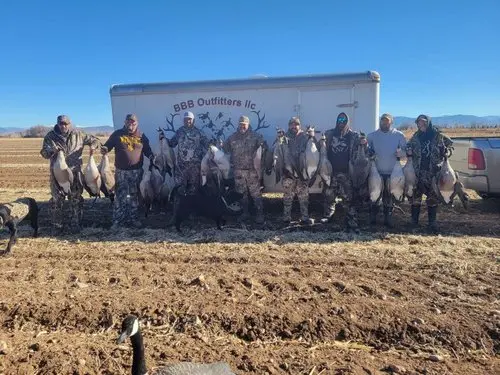
The Seasonal Guide to Colorado Goose Hunting: What Every Hunter Should Know
Venture into the diverse landscape of Southern Colorado and the West Slope for an unforgettable goose hunting experience. The convergence of the Pacific and Central flyways in the San Luis Valley creates a haven for migratory birds, offering hunters bountiful opportunities to test their skills. Join us as we explore the prime locations, techniques for success, and essential regulations every Colorado goose hunter must follow.

Preparing for Colorado's Alluring Goose Hunting Season
Preparing for the goose hunting season in Colorado is an exciting time. From checking your gear to scouting the best locations, every detail matters. Ensure your shotgun is clean and in optimal condition, your camouflage gear is ready for the terrain, and your decoys are set for action. It's essential to familiarize yourself with the hunting regulations and acquire the necessary stamps and permits before heading out into the field.
In addition to gear preparation, physical conditioning is crucial for a successful hunt. Hiking through varied terrains, setting up decoy spreads, and patiently waiting for the perfect shot require stamina and endurance. Engaging in regular cardio and strength training exercises can significantly enhance your hunting experience by improving your overall fitness level.
Furthermore, honing your shooting skills through consistent target practice is key to increasing your accuracy and success rate during the hunt. Whether it's trap shooting, skeet shooting, or target practice in simulated hunting scenarios, regular practice sessions will boost your confidence and ensure you make ethical shots when the moment of truth arrives.
Exploring the Prime Locations for Goose Hunting in Colorado
Colorado offers a diverse range of prime locations for goose hunting, each with its unique charm and challenges. The San Luis Valley, with its expansive crop lands and geothermal ponds, attracts a considerable number of Greater Canadian geese, providing hunters with ample hunting opportunities. The West Slope, particularly the Delta area, boasts sweet corn fields and the Gunnison River, creating a perfect habitat for late-season roosting.
When selecting a hunting location, consider factors such as bird migration patterns, feeding areas, and roosting sites. Scouting the area in advance can give you a competitive edge by identifying high-traffic goose zones and strategizing your hunting approach. Additionally, seek local insights and guidance from experienced hunters or outfitters to enhance your chances of a successful hunt.
Whether you prefer the vast expanse of the San Luis Valley or the picturesque landscapes of the West Slope, Colorado's diverse topography offers a rich tapestry for goose hunting enthusiasts to explore. Embrace the adventure, soak in the natural beauty, and savor the thrill of the hunt in these pristine landscapes.
Mastering the Techniques: Tips for Successful Colorado Goose Hunting
Mastering the art of goose hunting in Colorado requires a combination of skill, strategy, and patience. Optimal concealment is crucial for deceiving the keen eyes of geese, so choose your blind location wisely and blend seamlessly into the surroundings. Utilize effective calling techniques to mimic natural goose sounds and lure your targets within shooting range.
Timing plays a critical role in goose hunting success, as understanding bird behavior and migration patterns can help you anticipate their movements. Early mornings and late evenings are prime hunting times when geese are most active, making it ideal for setting up decoys and preparing for incoming flocks.
Adapting your hunting strategy based on weather conditions, wind direction, and terrain features can significantly enhance your chances of a successful hunt. Stay attuned to subtle environmental cues, remain patient during long waits, and be ready to seize the moment when the geese present the perfect shot opportunity.
Remember, ethical hunting practices and respect for wildlife are paramount in Colorado's hunting culture. Always adhere to bag limits, shooting hours, and hunting regulations to ensure the sustainability of waterfowl populations and the preservation of the hunting tradition for future generations.
Embracing the Colorado Goose Hunting Adventure
As you immerse yourself in the world of Colorado goose hunting, remember that preparation, patience, and respect for regulations are key to a rewarding experience. Whether you are a seasoned hunter or a novice, the allure of the Colorado landscape and the thrill of the hunt will always beckon. So grab your gear, hone your skills, and embrace the challenge of Colorado goose hunting.
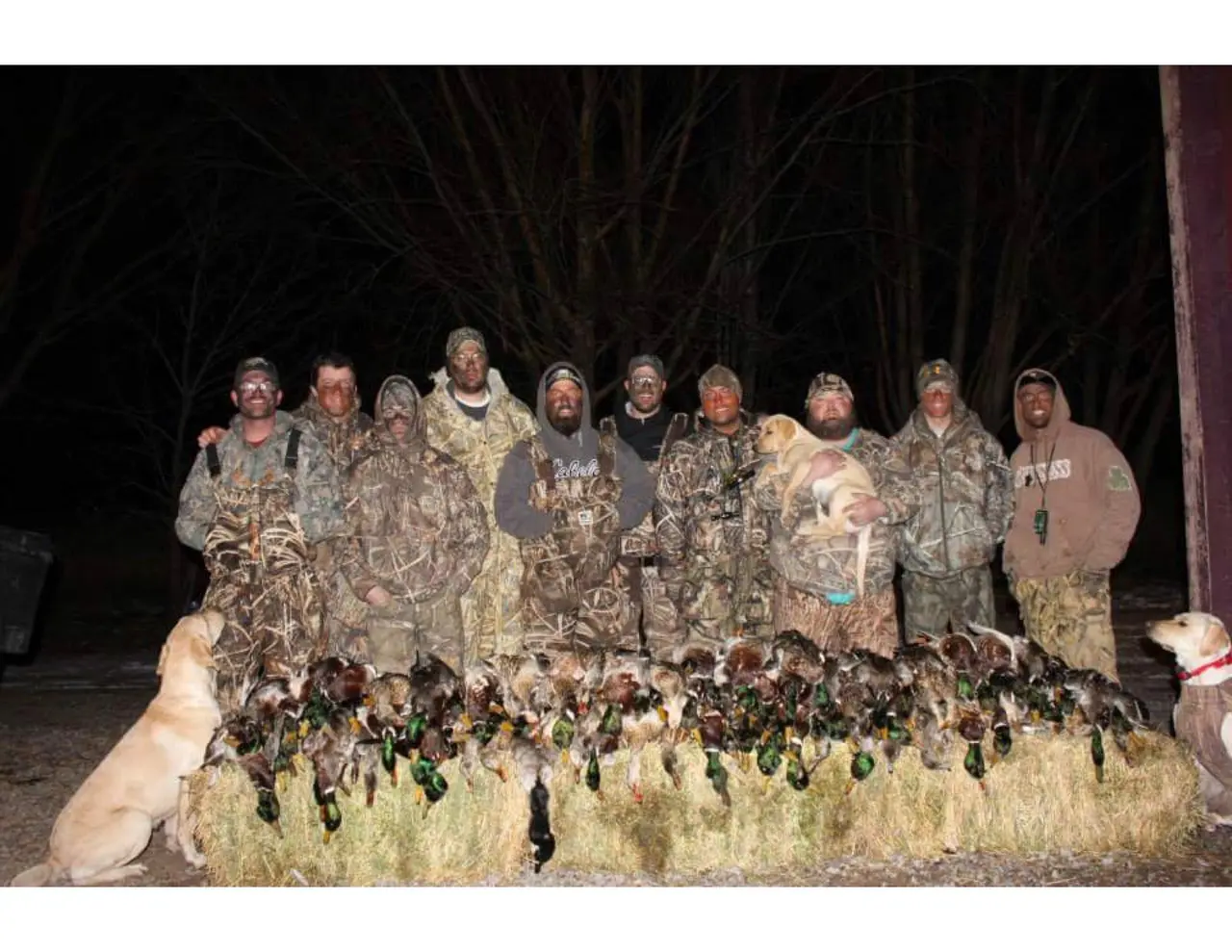
Pacific Flyway Migration Trends
Pacific Flyway waterfowl migration trends - a spectacle of nature's enduring beauty and wildlife diversity.

What is the Pacific Flyway Migration?
The Pacific Flyway migration is the path taken by millions of waterfowl species as they journey between their breeding and wintering grounds which include Western Colorado. This migration route spans from the Arctic tundra to South America, with key stopover points along the way.
Comprising a network of interconnected wetlands, rivers, and coastal habitats, the Pacific Flyway provides vital resources for waterfowl such as ducks, geese, and swans. These avian travelers rely on this route for feeding, resting, and breeding, making it a critical lifeline for their survival.
The Pacific Flyway migration is a marvel of precision and adaptation, with different species following unique flight paths and schedules. From the iconic honking of Canada geese to the agile maneuvers of dabbling ducks, each bird plays a crucial role in the intricate tapestry of this annual migration.
As the seasons change, so do the dynamics of the Pacific Flyway migration. Understanding the factors influencing this natural phenomenon is essential for conservation efforts and ensuring the long-term sustainability of waterfowl populations.
Key Factors Influencing Migration Trends
Multiple factors influence the migration trends of waterfowl along the Pacific Flyway, including environmental conditions, habitat availability, and food sources. Climate change plays a significant role in altering these factors, leading to shifts in migration timing and routes.
The availability of suitable breeding grounds and safe stopover sites is crucial for waterfowl during their arduous journey. Most the waterfowl which travel south along the Continental Divide use the West Slope of Colorado as a stopover site.
Advancements in technology have enabled researchers to track the movements of waterfowl more accurately, providing valuable insights into their migration patterns. By studying these trends, scientists can assess the impact of human activities and implement conservation strategies to protect these vulnerable species.
Migration trends are also influenced by biological factors such as breeding success, predator abundance, and competition for resources. Understanding the complex interactions between these factors is key to predicting and managing changes in waterfowl populations along the Pacific Flyway.
Tracking Methods for Migration Patterns
Researchers employ various tracking methods to monitor the migration patterns of waterfowl in the Pacific Flyway, including satellite telemetry, GPS devices, and banding studies. These technologies offer valuable data on the movements, behaviors, and survival rates of migratory birds.
Satellite telemetry allows scientists to remotely track individual birds in real-time, providing detailed information on their migration routes and stopover locations. This technology has revolutionized our understanding of avian migration and the challenges they face during their long journeys.
Banding studies involve attaching uniquely numbered bands to the legs of birds, enabling researchers to identify and monitor them throughout their migration. By recapturing banded birds at different sites, scientists can gather data on survival rates, population trends, and migration timing.
Combining traditional field observations with cutting-edge technology, researchers can paint a comprehensive picture of waterfowl migration in the Pacific Flyway. This holistic approach is essential for informed conservation decisions and safeguarding the future of these magnificent birds.
Importance of Monitoring Migration Changes
Monitoring migration changes is critical for assessing the health and resilience of waterfowl populations in the Pacific Flyway. By tracking shifts in migration timing, routes, and stopover sites, researchers can detect early warning signs of environmental threats and population declines.
Understanding how migration patterns may be influenced by climate change and human activities is essential for adapting conservation strategies and ensuring the continuity of essential habitats for waterfowl. Long-term monitoring efforts provide valuable data for informed decision-making and proactive conservation measures.
By collaborating with government agencies, conservation organizations, and local communities, scientists can work towards preserving key habitats and addressing threats to waterfowl along the Pacific Flyway. Public awareness and engagement are crucial for instigating conservation actions to protect these vital ecosystems.
The insights gained from monitoring migration changes not only benefit waterfowl but also contribute to our understanding of ecosystem dynamics and the interconnectedness of species across continents. Investing in monitoring efforts is an investment in the future of biodiversity and a sustainable environment for generations to come.
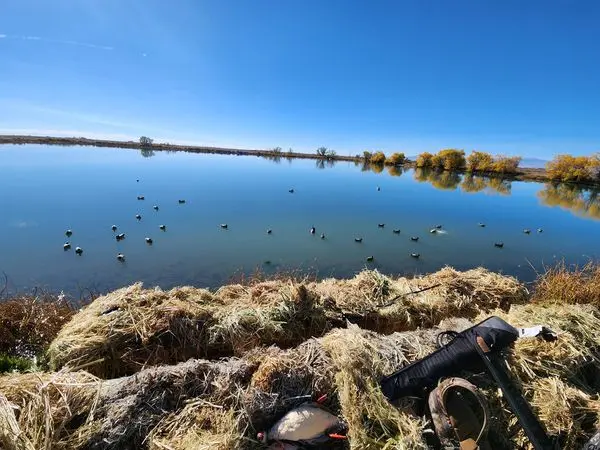
Duck Hunting in Southern Colorado
Immerse yourself in the vibrant world of duck hunting in Southern Colorado where the stunning landscapes and diverse waterfowl species create the perfect backdrop for an unforgettable hunting experience. From peaceful wetlands to hidden lakes, each duck hunting spot offers its own unique charm, promising hunters abundant opportunities to test their skills and connect with nature like never before.

Exploring the Rich Duck Habitat in Southern Colorado
Southern Colorado's vast expanse of wetlands, lakes, and rivers provide a haven for a myriad of duck species. From the graceful Mallards to the striking Wood Ducks, hunters can witness the beauty of these winged creatures in their natural habitat. Each encounter with these majestic birds offers a moment of connection with the wilderness, reminding hunters of the importance of conservation and respect for nature.
The changing seasons paint a mesmerizing picture across the Southern Colorado landscape, affecting duck behavior and migration patterns. As autumn sets in, flocks of ducks journey southward, creating a spectacle in the skies. Hunters keen on duck hunting in Colorado eagerly anticipate this seasonal shift, knowing that it heralds a time of abundance and exciting hunting escapades.
Venturing into the heart of duck country in Southern Colorado reveals hidden gems where ducks thrive in their natural environment. The tranquility of these untouched landscapes invites hunters to immerse themselves in the serenity of nature, away from the bustle of daily life. It is in these moments of quiet reflection that the true allure of duck hunting shines through.
Navigating through the intricate waterways and marshlands of Southern Colorado requires both skill and patience. Duck hunters must adapt to the ever-changing terrain, anticipating the movements of their elusive targets. The thrill of outwitting a clever duck and the satisfaction of a successful hunt create lasting memories that echo the timeless allure of duck hunting in Colorado.
As dawn breaks over the horizon, painting the sky in hues of pink and gold, duck hunters prepare for a day filled with excitement and challenge. The crisp morning air echoes with the calls of waking waterfowl, signaling the start of a new hunting adventure. Southern Colorado's enchanting beauty serves as the backdrop for a memorable experience that celebrates the age-old tradition of duck hunting.
The Art of Strategizing in Colorado's Diverse Duck Hunting Spots
Success in duck hunting hinges on the hunter's ability to devise effective strategies that anticipate the behavior of ducks in different environments. Whether setting up decoys in a tranquil marsh or concealing oneself along a bustling riverbank, each hunting location presents a unique set of challenges that demand skill and ingenuity.
Understanding the nuances of duck behavior and their preferred habitats is essential for a rewarding hunting experience. Seasoned hunters in Colorado pay close attention to the subtle cues in a duck's movements and calls, leveraging this knowledge to craft compelling strategies that lure their feathered targets into range.
Patience is a virtue cherished by duck hunters in Colorado, as the art of waiting for the perfect moment to strike is often key to a successful hunt. Observing the patterns of duck activity and adapting tactics accordingly requires a deep appreciation for the rhythm of nature and the thrill of the chase.
In the midst of Colorado's vast and varied landscapes, duck hunters must be adaptable and quick-thinking, ready to adjust their strategies at a moment's notice. From open waters teeming with diving ducks to quiet ponds frequented by dabbling species, each hunting environment demands a flexible approach that maximizes the chances of a fruitful hunt.
Enhancing Your Duck Hunting Experience with Local Insights and Tips
Local knowledge serves as a valuable asset for duck hunters exploring the diverse terrain of Southern Colorado. Insights shared by seasoned hunters shed light on hidden hotspots, optimal hunting times, and effective techniques that can elevate your hunting prowess and deepen your connection to the land.
Engaging with the vibrant duck hunting community in Colorado offers a wealth of resources and camaraderie that enrich the hunting experience. Sharing stories, tips, and strategies with fellow hunters creates a sense of unity and shared passion for the sport, fostering a community that celebrates the thrill of the hunt.
Embracing the spirit of conservation and stewardship is paramount for duck hunters in Colorado, who recognize the importance of preserving the delicate balance of ecosystems. By practicing ethical hunting practices and supporting conservation efforts, hunters contribute to the sustainability of waterfowl populations and the preservation of cherished hunting traditions.
As the sun sets over the rugged terrain of Southern Colorado, casting a warm glow over the horizon, duck hunters reflect on a day filled with challenges, triumphs, and the shared love for the sport. Each hunting expedition serves as a reminder of the timeless bond between hunter and nature, a bond forged in the untamed beauty of Colorado's duck country.
Embracing the Wild Beauty
As you reflect on the beauty and excitement of duck hunting in Southern Colorado, remember that the true essence lies not just in the thrill of the hunt, but in the harmony between man and nature. By exploring the rich duck habitat and employing smart strategies, hunters can enhance their skills and appreciation for this timeless sport. Let the spirit of duck hunting in Colorado inspire you to cherish the tranquility of the outdoors and the thrill of the chase.
Discovering the Thrill of Waterfowl and Elk Hunting in Colorado's Outdoors
Exploring Waterfowl Hunting in Colorado
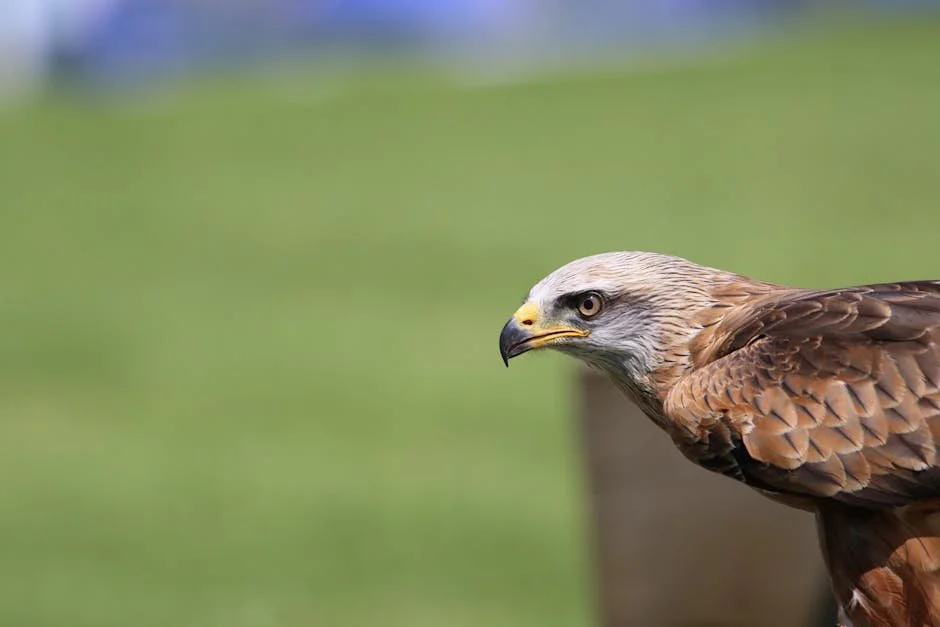
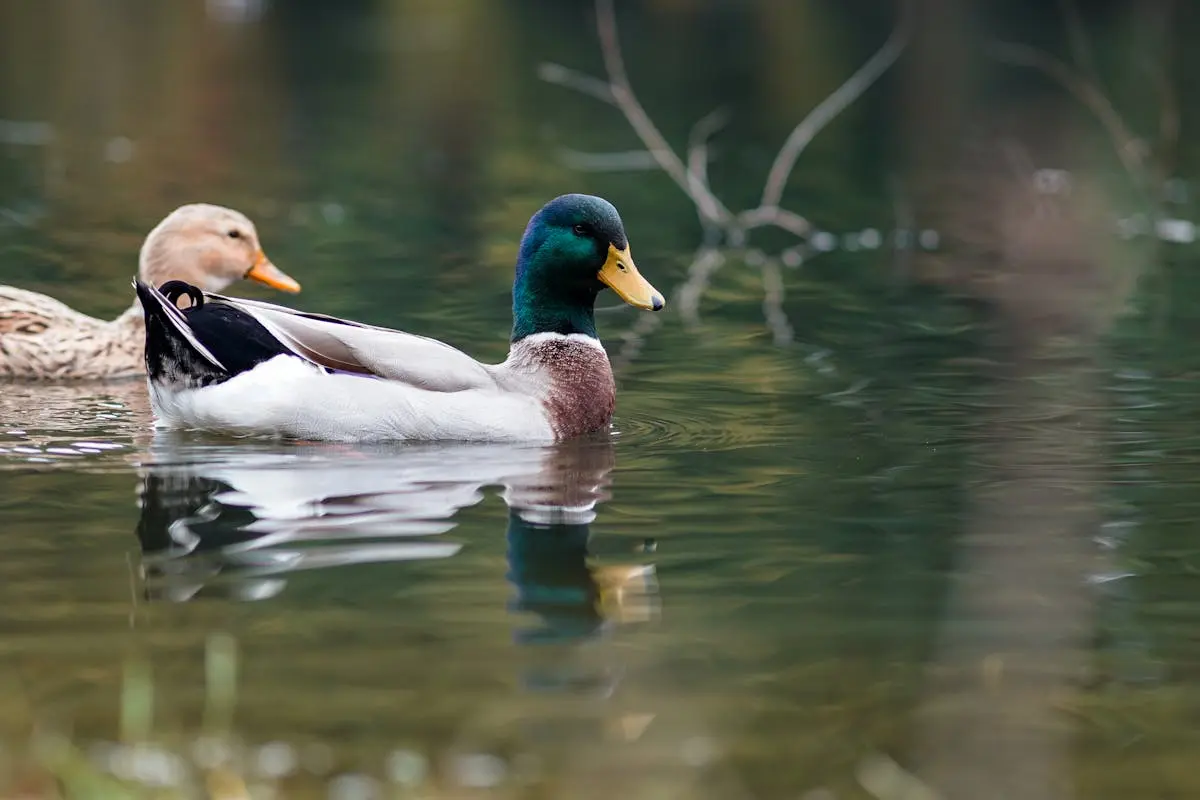
Ready to immerse yourself in the world of waterfowl hunting in Colorado? Waterfowl hunting is a popular outdoor activity that involves pursuing birds like ducks and geese in their natural habitats. In Colorado, you can experience the thrill of hunting these birds against the stunning backdrop of the state's diverse landscapes. Whether you're an experienced hunter or a novice looking to try something new, waterfowl hunting in Colorado offers an adventure like no other.
Elk Hunting: The Challenge and Excitement
Elk hunting in Colorado provides a thrilling and challenging experience for outdoor enthusiasts. The rugged terrain and vast wilderness offer a unique opportunity to test your hunting skills and immerse yourself in the beauty of nature. Hunters must navigate the unpredictable terrain and weather conditions, making each hunt a true adventure. Additionally, the elusive nature of elk adds an element of excitement as hunters track and pursue these majestic animals through the wilderness. Elk hunting in Colorado is not just about the thrill of the chase, but also about connecting with nature and experiencing the raw beauty of the outdoors.
Gear and Equipment for Outdoor Adventure
When gearing up for your outdoor adventures in Colorado, ensure you have the right equipment for waterfowl and elk hunting. Here are a few essentials to consider:
Opt for camouflage clothing to blend into your surroundings
A pair of sturdy hunting boots for traversing varied terrain
Quality binoculars for spotting wildlife from a distance
A reliable firearm or bow for a successful hunt
Don't forget a hunting knife for field dressing your game
Pack essentials like water, snacks, and a first aid kit for a safe and enjoyable trip.
Top Locations for Waterfowl and Elk Hunting
Colorado offers a variety of fantastic locations for waterfowl and elk hunting. Here are some top spots to consider for your next hunting adventure in the great outdoors of Colorado:
Monte Vista Wildlife Refuge - This area is known for its abundant waterfowl population, including ducks and geese, providing an excellent hunting experience for waterfowl enthusiasts.
Craig - Located in Northwest Colorado, Craig is renowned for its elk hunting opportunities with vast public lands and a high elk population.
San Luis Valley - The valley is a prime destination for elk hunting, offering a picturesque landscape and a chance to hunt these majestic animals in a beautiful setting.
Arkansas River Valley - This area provides a diverse hunting experience, with opportunities for both waterfowl and elk hunting in a breathtaking natural environment.
Explore these locations to immerse yourself in the thrill of waterfowl and elk hunting in the captivating scenery of Colorado's outdoors.
Planning Your Colorado Outdoor Excursion
When planning your Colorado outdoor adventure, consider the best seasons for waterfowl and elk hunting. Waterfowl hunting is typically open from late September to February, with peak migration in late October to November. Elk hunting, on the other hand, is in September for archery season and October to February for rifle seasons. Make sure to obtain the necessary licenses and permits well in advance. Research hunting regulations and any specific requirements for the area you plan to visit. Remember to pack suitable gear, including appropriate clothing, hunting equipment, and camping essentials.
Safety Tips for Hunting in the Wild
Always ensure that you have the necessary licenses and permits before you head out into the wilderness for your hunting adventure. It is crucial to wear bright colors so other hunters can easily spot you and avoid accidents. Make sure to familiarize yourself with the specific hunting regulations in Colorado to stay compliant with the law. Be mindful of your surroundings and always inform someone of your hunting plans and anticipated return time. Lastly, carry a first aid kit in case of emergencies, and remember to pack enough food and water for your trip.
Guided vs. DIY Hunting Trips
When planning your hunting trip to Colorado, you might wonder whether to go on a guided trip or tackle the adventure solo. Guided hunting trips provide an experienced guide who knows the area well and can help you navigate the terrain, find the best hunting spots, and ensure your safety. DIY (Do it yourself) trips, on the other hand, offer a more independent experience where you can test your skills and strategize on your own. Guided trips can be more costly, but they often increase your chances of a successful hunt, especially if you are new to the area or hunting in general. DIY trips, while requiring more preparation and knowledge, can provide a more intimate connection with the outdoors and a sense of accomplishment. Consider your experience level, comfort with the area, and personal preferences when deciding between guided and solo hunting trips in Colorado.
Capturing the Experience: Photography Tips
Capturing the experience of waterfowl and elk hunting in Colorado's outdoors through photography can help you preserve these thrilling moments. Here are some photography tips to enhance your hunting memories: Use natural light to highlight the beauty of the landscape and wildlife. Get close to your subject for detailed shots. Consider the composition of your photos to create visually appealing scenes. Remember to pack extra batteries and memory cards to capture all the exciting moments. Be patient and observant to capture unique and authentic shots.
Conservation and Ethics in Hunting
Hunting isn't just about the thrill of the chase; it also involves important values like conservation and ethics. Hunters often contribute to wildlife preservation through programs like habitat restoration. Responsible hunters follow regulations to ensure sustainable hunting practices and respect nature. Remember, ethical behavior in hunting is crucial to maintaining the balance of ecosystems.
Embracing the Wilderness: Benefits of Outdoor Adventures
Outdoor adventures in the wilderness offer a range of benefits. Exposure to nature has been shown to reduce stress levels and improve overall well-being. Physical activity in the wild can boost your health and fitness. Exploring new environments can broaden your horizons and expand your knowledge. Connecting with nature can help you feel more grounded and appreciative of the world around you. So, lace up your boots and head out into the great outdoors for a truly enriching experience!
The Top Destinations for Waterfowl Season in Colorado: Where to Find the Best Hunts
Introduction to waterfowl season in Colorado
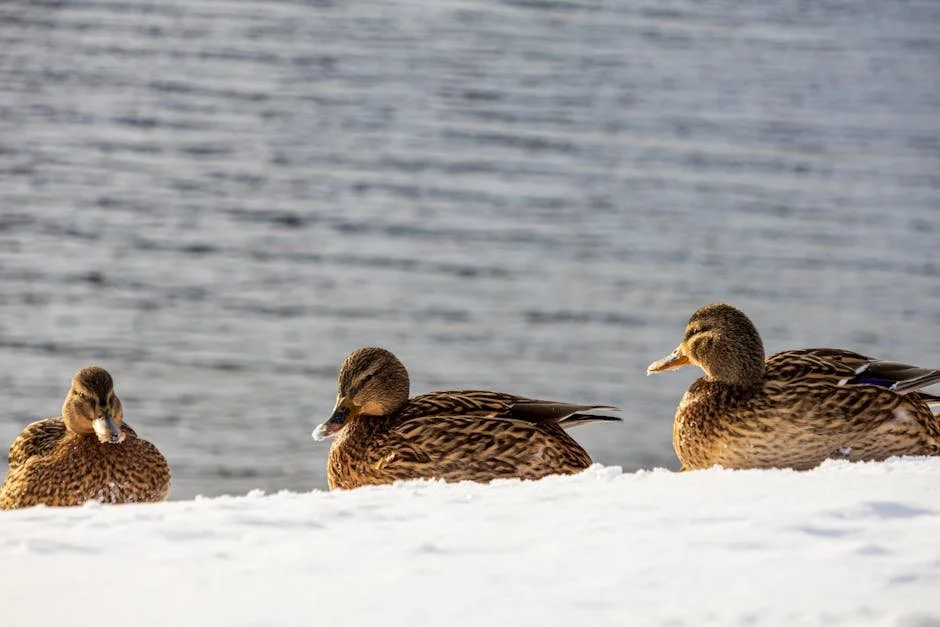
Colorado is a fantastic destination for waterfowl hunting due to its diverse landscapes and abundance of waterfowl species. You can find excellent hunting opportunities throughout the state, from the eastern plains to the western mountains. Many hunters flock to Colorado during waterfowl season to pursue ducks, geese, and other waterfowl species in the picturesque surroundings that the state has to offer.
Best waterfowl hunting spots in Colorado
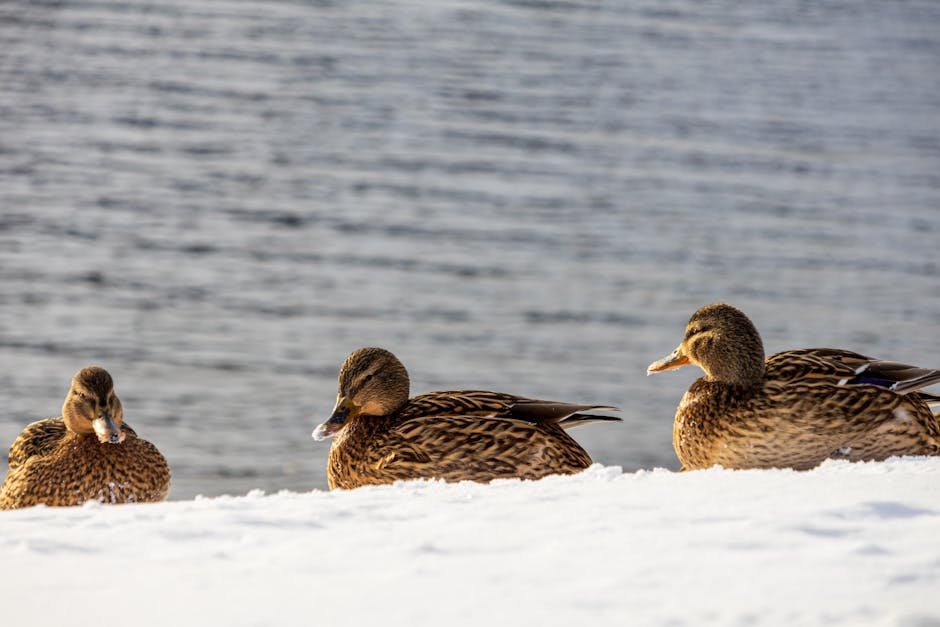
Colorado offers some of the best waterfowl hunting spots in the country. Some popular destinations include the South Platte River, Arkansas River, and North Sterling State Park. These areas are known for their abundant waterfowl populations, providing ample opportunities for successful hunts. Be prepared for a thrilling hunting experience amidst Colorado's scenic landscapes and diverse wildlife.
Types of waterfowl commonly found in Colorado
Colorado is home to various types of waterfowl that attract hunters during the waterfowl season. Some common types you may come across include mallards, teal, Canada geese, snow geese, and pintails. These waterfowl species are abundant in Colorado's wetlands, rivers, and reservoirs, providing hunters with diverse opportunities for successful hunts.
Planning your waterfowl hunting trip in Colorado
Colorado offers a variety of waterfowl hunting opportunities for enthusiasts. To plan your trip effectively, consider these key points:
Research the best hunting locations in Colorado.
Check the hunting regulations and permits required.
Pack appropriate gear and clothing for the terrain and weather conditions.
Book accommodations in advance, especially during peak hunting seasons.
Plan your hunting itinerary to maximize your chances of a successful hunt.
By considering these factors, you can ensure a memorable and successful waterfowl hunting trip in Colorado.
Gear and equipment needed for waterfowl season
Having the right gear and equipment is essential for a successful waterfowl hunting season in Colorado. Ensure you have the following items ready:
Quality shotgun suitable for waterfowl hunting
Camouflage clothing to blend with the surroundings
Decoys to attract waterfowl
Calls for mimicking waterfowl sounds
Ammunition appropriate for hunting waterfowl
By having the proper gear, you'll be prepared to make the most of your hunting experience in the top destinations for waterfowl season in Colorado.
Hunting regulations and licenses in Colorado
To hunt waterfowl in Colorado, you must obtain a Colorado small game hunting license if you are 18 years or older. Hunters are required to have a federal migratory bird hunting and conservation stamp, commonly known as a duck stamp, which can be purchased at most post offices and online. Additionally, all hunters must carry their state and federal duck stamps while hunting. Make sure to review the Colorado Parks and Wildlife regulations for waterfowl hunting to stay informed about bag limits, hunting season dates, and specific legal hunting areas.
Hiring a guide for a successful waterfowl hunt
Hiring a guide for a successful waterfowl hunt can greatly enhance your experience. A guide will take you to the best hunting spots, provide valuable knowledge of the area, help set up decoys and blinds, and assist in calling ducks and geese. Their expertise can increase your chances of a successful hunt and ensure you make the most of your time in the field. It's a worthwhile investment for both novice and experienced hunters looking to have a memorable and productive waterfowl season.
Wildlife conservation practices during waterfowl season
During waterfowl season in Colorado, it's crucial to follow wildlife conservation practices to protect the natural habitat and ensure the sustainability of the hunting environment. Here are some essential points to keep in mind:
Respect hunting regulations: Always adhere to the established hunting regulations to avoid over-harvesting and maintain healthy wildlife populations.
Practice ethical hunting: Use proper hunting techniques and equipment to minimize stress and ensure a quick, humane harvest.
Preserve the environment: Avoid littering, respect public lands, and leave the natural environment as you found it to protect wildlife habitats.
Support conservation efforts: Consider donating to conservation organizations or participating in volunteer programs to contribute to wildlife preservation initiatives.
Safety tips for waterfowl hunting in Colorado
Always ensure you have the required permits before heading out to hunt waterfowl in Colorado. Wear appropriate protective gear, especially when hunting in wet or cold conditions. Use decoys and calls responsibly to attract the birds without endangering yourself or others. Familiarize yourself with the hunting regulations and specific limits for each location you plan to visit. Always keep your firearm pointed in a safe direction and never shoot unless you have a clear view of your target and what lies beyond it. Remember to pack enough food, water, and emergency supplies for unexpected situations. Exercise caution when handling firearms to prevent accidents and ensure a safe hunting experience.
Conclusion: Enjoying the best waterfowl hunts in Colorado
If you're keen on waterfowl hunting, Colorado offers some of the best hunting spots. Colorado's diverse landscapes, from plains to mountains, provide rich habitats for waterfowl. The prime waterfowl hunting destinations in Colorado include the South Platte River, North Park, San Luis Valley, and the Arkansas River. These areas attract a variety of waterfowl, such as ducks, geese, and sandhill cranes, making your hunting experience diverse and exciting. With proper planning and adherence to hunting regulations, you can enjoy unforgettable waterfowl hunts in Colorado.

Pheasant Hunting in Colorado: Gear, Licenses, and Regulations
Introduction to Pheasant Hunting in Colorado
Pheasant hunting in Colorado is a thrilling outdoor activity that requires proper gear, licenses, and awareness of regulations. Colorado offers excellent opportunities for pheasant hunting due to its diverse landscapes and abundant wildlife. Whether you are a seasoned hunter or new to the sport, understanding the basics of pheasant hunting in Colorado is essential for a successful and enjoyable experience.

Essential Gear for Pheasant Hunting
When preparing for pheasant hunting, essential gear includes a shotgun, shells, hunting vest, blaze orange hat, blaze orange vest, hunting boots, binoculars, compass, knife, and first aid kit. It's also recommended to bring water, snacks, and hand warmers for comfort during the hunt. Remember to check local regulations for any specific gear requirements before heading out.
Obtaining Licenses for Pheasant Hunting in Colorado
When planning to go pheasant hunting in Colorado, you will need to obtain the necessary licenses first. In Colorado, hunters are required to have a small game license and a small game habitat stamp to legally hunt pheasants. The small game license is valid for the entire hunting season, while the habitat stamp helps fund conservation efforts for wildlife. It's important to ensure you have both before heading out to the field to avoid any legal issues.
Regulations to Follow While Pheasant Hunting
Always make sure to have a valid hunting license before heading out. Different areas may have specific rules on hunting pheasants, so check the regulations for the location you plan to hunt in. Wearing bright colors is essential for safety, as it reduces the risk of accidental shootings. Know the legal shooting hours during the hunting season to stay within the law. Follow the bag limits set by the state to protect the pheasant population. It's crucial to respect private property boundaries while hunting and ask for permission if needed.
Choosing the Right Pheasant Hunting Location in Colorado
When choosing a pheasant hunting location in Colorado, consider factors such as the proximity to where you will be staying, the terrain of the area, and the availability of pheasants. Research different locations beforehand to ensure a successful hunting trip.
Safety Measures for Pheasant Hunting
Be mindful of your surroundings when hunting. Wear bright colors to stay visible to other hunters. Always point your gun in a safe direction. Use ear and eye protection to safeguard yourself from potential harm. Follow the rules and regulations set by the Colorado Parks and Wildlife department.
Tips for a Successful Pheasant Hunting Trip
Make sure to pack essential gear such as heavy-duty boots, camouflage clothing, a shotgun, and plenty of ammunition. Research and obtain the necessary licenses and permits before heading out to the field. Understand and follow all hunting regulations set forth by the Colorado Division of Parks and Wildlife. Scout the hunting area in advance to familiarize yourself with the terrain and potential hunting spots. Patience and stealth are key to a successful pheasant hunting trip, so move quietly and scan the area carefully for any signs of movement.
Handling and Cooking Pheasant After the Hunt
Once you've successfully bagged a pheasant during your hunting trip in Colorado, it's time to take care of handling and cooking it. Here are some key points to remember:
Start by plucking the feathers from the bird, making sure to remove them all.
Use a sharp knife to eviscerate the pheasant, removing its internal organs.
Rinse the bird thoroughly with cold water.
Consider marinating the pheasant to enhance its flavor before cooking.
When cooking, ensure the meat is cooked through but not overdone to maintain its tenderness.
Conservation Efforts and Sustainability in Pheasant Hunting
Hunters play a vital role in wildlife conservation, contributing to the preservation of pheasant populations. Colorado's Department of Natural Resources enforces regulations to ensure sustainable hunting practices. By obtaining the required hunting licenses and adhering to bag limits, hunters help maintain a healthy balance in the ecosystem. Protecting pheasant habitats, such as grasslands and hedgerows, is crucial for the birds' survival. Your commitment to conservation efforts is essential in promoting the longevity of pheasant hunting in Colorado.
Conclusion and Recap of Pheasant Hunting in Colorado
To sum up, pheasant hunting in Colorado is a thrilling experience that requires the right gear, licenses, and adherence to regulations for a successful hunt. Make sure to obtain the necessary licenses before heading out, familiarize yourself with the regulations set by the Colorado Parks and Wildlife department, and invest in quality gear to enhance your hunting experience. Remember to hunt ethically and responsibly to preserve the environment and ensure the sustainability of the sport for future generations. Happy hunting!