How Can I Prepare for Colorado Duck Season?
Getting ready for duck season in Colorado can be an exciting yet daunting task, especially for beginners. This guide aims to make your preparation process smooth and enjoyable, breaking down everything you need step-by-step.
Understanding the Regulations
Before heading out, it's crucial to familiarize yourself with the current hunting regulations in Colorado. Check for any changes in dates, possession limits, and legal hunting methods to ensure you are compliant. Information can usually be found on official wildlife websites or through local authorities.
The Colorado Parks and Wildlife department updates their regulations annually. Be sure to check their guidelines here before you plan your trip. They occasionally host informational seminars that can be quite beneficial.
Hunting regulations often reflect the ecological balance needed to protect wildlife. By adhering to these rules, not only do you ensure your legal compliance, but also contribute to sustainable wildlife conservation efforts.
Getting the Right License
Secure the necessary hunting licenses and stamps required for duck hunting in Colorado. Make sure to renew or obtain these well ahead of the season to avoid any last-minute hassles. The process is straightforward, but processing times can vary.
The basic requirement is a small game license, although a federal duck stamp is also a must for waterfowl hunters. You can purchase these through various online resources or authorized retailers.
Often overlooked, the Habitat Stamp is another necessary purchase for Colorado hunters. It aids in funding the management of wildlife and their habitats within the state.
Gathering Essential Gear
Equip yourself with the essential hunting gear. This includes a sturdy shotgun, appropriate ammunition, suitable clothing for Colorado's weather, and decoys to attract ducks. Each piece of equipment can vastly improve your hunting experience.
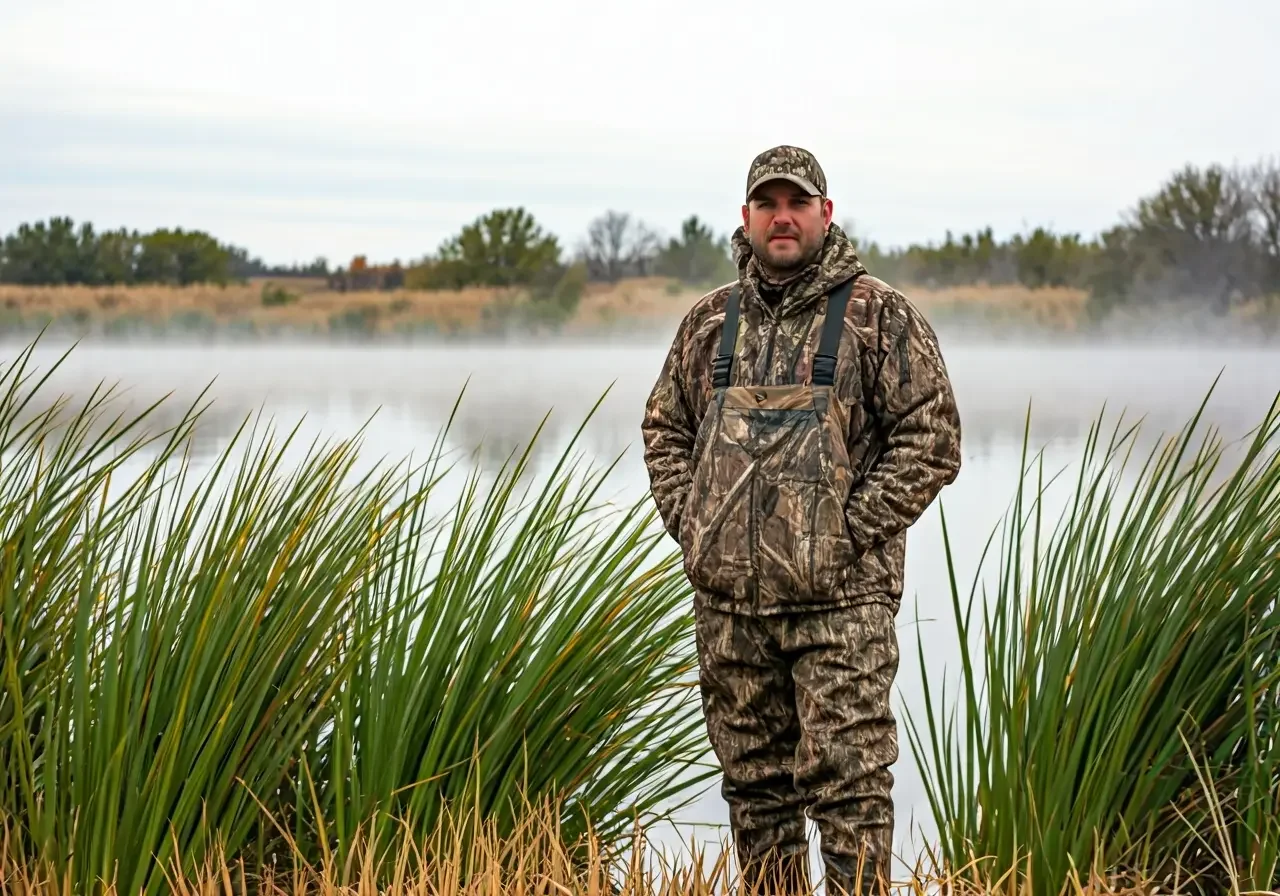
Layered clothing is key due to Colorado's unpredictable weather. Waterproof gear is recommended as early morning fog and water are common in hunting spots.
Decoys can be the difference between a dull outing and a successful hunt. Strategically placing them in your chosen location can significantly increase your chances of drawing in ducks from afar.
Scouting and Choosing the Right Location
Spend some time scouting potential hunting locations. Look for areas with high duck activity and access to water sources. Optimal camouflage and strategic positioning can also increase your chances of success.
Utilize tools like Google Earth to explore terrain and pinpoint potential locations from the comfort of your home before venturing out to verify them in person.
Speaking to local hunters can provide invaluable insights. Learning from their experiences will help you make informed decisions about where to set up your hunt.
Practicing Your Shooting Skills
Take the time to practice your shooting skills before the season starts. Visit a shooting range to hone your accuracy and increase your confidence in the field. This practice helps ensure that any shot you take is safe and effective.
Understanding the dynamics of your shotgun and its response to different ammo types is crucial. Conduct practice sessions under various conditions, such as wind or low light, to simulate real hunting scenarios.
Planning for Safety and Comfort
Always prioritize safety by reviewing firearm safety rules and preparing for unexpected weather changes. Pack necessary supplies like first-aid kits, food, and water to ensure a comfortable and secure hunt.
Inform someone reliable about your hunting plans, including location details and expected return time. It increases safety and ensures help can reach you promptly should it be needed.
Maintaining comfort in the wild is essential. Adequate food, water, and rest are crucial to enjoy a full day hunt and maintain alertness throughout. Consider portable seating solutions for comfort during long waiting periods.
Final Thoughts on Preparing for Colorado Duck Season
Preparing for Colorado duck season involves planning, understanding regulations, gathering the right gear, and brushing up on your skills. With careful attention to each step, you can ensure a successful and enjoyable hunting experience.