How Can I Prepare for My First Elk Hunt?
Preparing for your first elk hunt can be both exciting and overwhelming. There's gear to gather, strategies to learn, and conditions to consider. This guide will walk you through key steps to ensure you're ready for the adventure ahead.
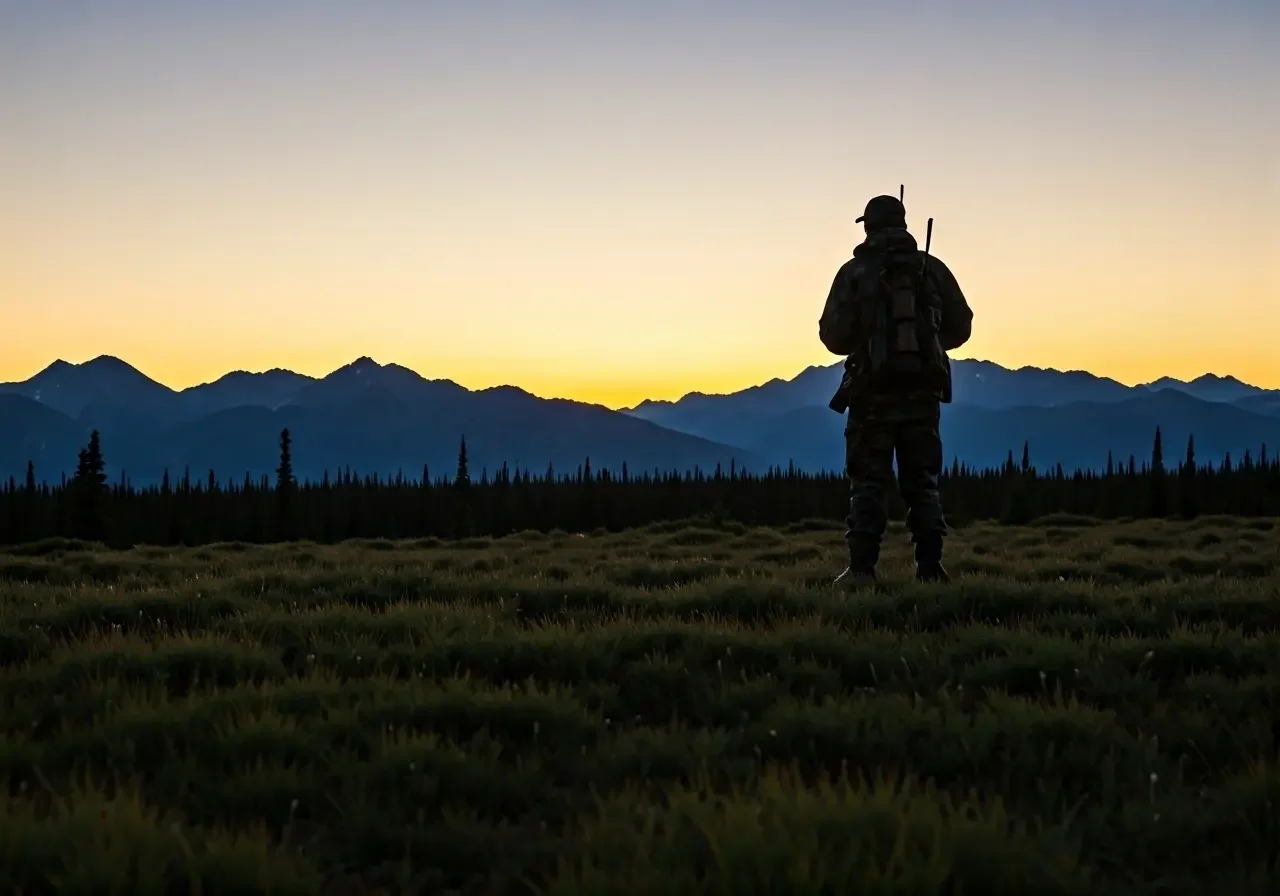
Research Elk Habits and Habitat
Understanding the habits and habitat of elk is crucial. Learn about their migration patterns, feeding habits, and preferred terrain to increase your chances of spotting them.
Elk are known to inhabit areas that offer a mix of open spaces and cover. Early mornings and late evenings are typically the best times to spot them as they move to and from feeding areas. Pay attention to seasonal migration as well, as this can greatly affect where you might find them during your hunt.
Scouting reports and migration maps are available from various wildlife agencies. They provide invaluable insights into elk movement and can guide your planning process. Check regulations and seasonal patterns, as these will help strategize your approach to the hunt effectively.
Choose the Right Gear
Investing in quality gear can make a big difference. From boots and clothing suitable for the weather and terrain to the rifle or bow you'll use, ensure everything is in optimal condition.
Layered clothing is key, as temperatures can vary widely throughout the day. Ensure your boots are broken in and provide good support and traction. A quality backpack is also essential for carrying supplies such as food, first aid kits, and extra ammunition.
Don’t overlook optics. A good pair of binoculars or a spotting scope can help identify elk from a distance, reducing unnecessary tracking in difficult terrain. To ensure you're fully prepared, explore our selection of hunting gear and outfitting options.
Get in Shape Physically
Elk hunting can be physically demanding, requiring long hikes in difficult terrain. Work on your endurance and strength to be prepared for the challenges ahead.
Incorporate cardiovascular exercises like hiking, jogging, and cycling into your routine to build stamina. Strength training, focusing on legs, core, and shoulders, will help you handle the physical demands of carrying gear over rugged landscapes.
Remember, altitude can also add an extra challenge to your hunt. Acclimatize yourself ahead of time if possible, especially if you’re not accustomed to high elevations.
Familiarize Yourself with the Area
Before your hunt, spend time scouting the location. Understanding the area's landscape will help you navigate and find potential elk hotspots more easily.
Utilize maps and GPS technology to mark trails, watering holes, and feeding grounds. Quartz Ridge, and Devils Backbone, are notable landmarks that could serve as reference points or guide your hunt. Local hunting guides can also provide valuable insights if you're unfamiliar with the terrain.
Practice Your Shooting Skills
Whether you're using a bow or a rifle, practice is key. Make sure you're comfortable and accurate with your weapon to ensure a humane and effective hunt.
Attend shooting ranges and participate in exercises that simulate real hunting scenarios. Consider shooting from various positions and distances to improve your accuracy and confidence under different conditions. Remember, ethical hunting is about making clean, lethal shots.
Engage in workshops and training sessions to fine-tune your skills. These settings offer real-time feedback and tips from experienced hunters, boosting your readiness for the field.
Final Thoughts on Your First Elk Hunt
With thorough preparation, your first elk hunt can be a rewarding and unforgettable experience. From understanding elk behavior to ensuring you have the right gear, each step helps you become a more skilled and confident hunter. Approach the hunt with respect for the animals and the wilderness, and you're sure to enjoy every moment. To make your hunting experience even more exciting, visit our homepage for top-notch gear and expert advice.